

Enhancing Precision Parts Manufacturing: Best Practices and Insights
Published Time:
2026-01-17
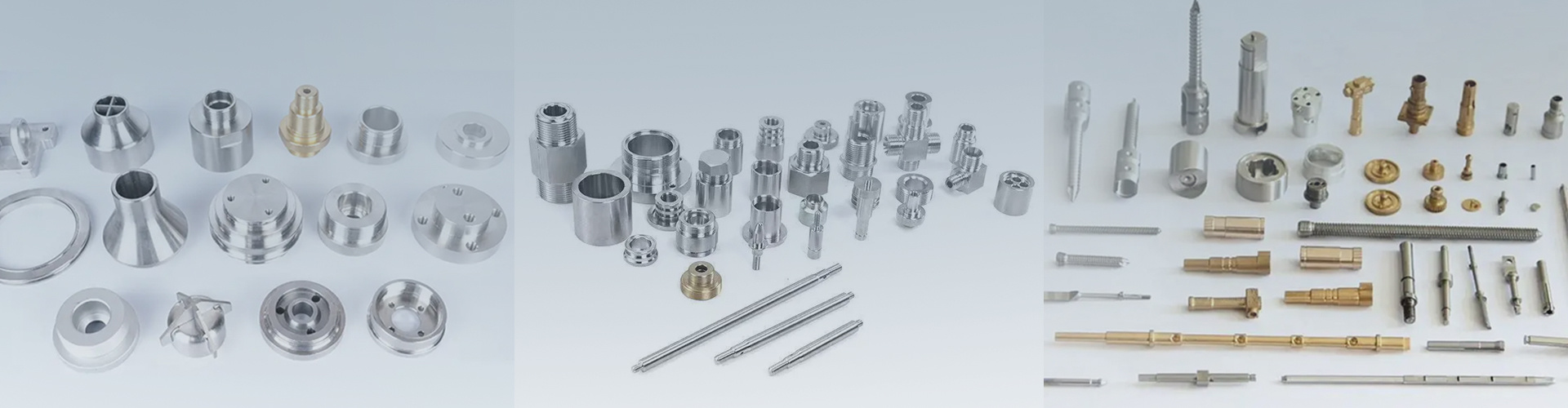
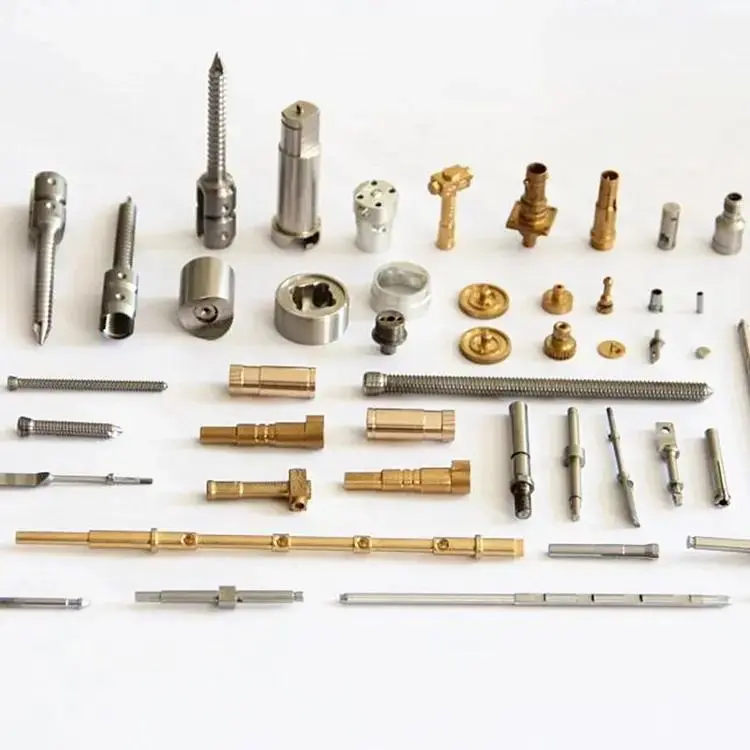
In the realm of manufacturing and machining, "precision parts" refer to components that are produced to exact specifications, often within tight tolerances. These parts are critical in a variety of applications, including aerospace, automotive, and medical devices, where even the smallest deviation can lead to failure or inefficiency. To achieve high-quality precision parts, manufacturers must implement best practices that encompass design, material selection, and machining processes.
One of the primary steps in ensuring the quality of precision parts is robust design practices. Utilizing computer-aided design (CAD) software allows engineers to create detailed models that can be tested and optimized before manufacturing begins. This reduces the risk of errors and ensures that the specifications meet the required standards. Additionally, adopting design for manufacturability (DFM) principles can streamline the production process, making it easier to produce parts that meet tight tolerances.
Material selection is another critical factor in the production of precision parts. The choice of materials will influence not only the performance of the finished product but also the machining processes required to create it. High-strength alloys, for instance, may require different cutting tools and speeds compared to softer materials. Understanding the properties of various materials and their compatibility with different machining techniques is vital for achieving the desired precision.
Precision machining processes, such as CNC (Computer Numerical Control) milling and turning, play a significant role in producing high-quality parts. These processes allow for high repeatability and accuracy, which are essential for maintaining tight tolerances. Regular maintenance of the machinery and tools used in these processes is also crucial; worn tools can compromise the quality of the parts and lead to increased scrap rates.
Moreover, implementing quality control measures throughout the production process helps ensure that precision parts meet required specifications. Techniques such as statistical process control (SPC) can help manufacturers monitor production quality in real time, making it easier to identify and rectify issues before they escalate.
Finally, continuous improvement should be a fundamental aspect of any precision parts manufacturing operation. This can involve training staff on the latest technologies and methodologies, adopting lean manufacturing principles to reduce waste, and seeking customer feedback to enhance product quality and service.
In conclusion, the production of precision parts is a multifaceted process that requires careful attention to design, material selection, machining processes, and quality control. By adopting best practices, manufacturers can enhance their capabilities and ensure the delivery of high-quality components that meet the demanding standards of various industries.
One of the primary steps in ensuring the quality of precision parts is robust design practices. Utilizing computer-aided design (CAD) software allows engineers to create detailed models that can be tested and optimized before manufacturing begins. This reduces the risk of errors and ensures that the specifications meet the required standards. Additionally, adopting design for manufacturability (DFM) principles can streamline the production process, making it easier to produce parts that meet tight tolerances.
Material selection is another critical factor in the production of precision parts. The choice of materials will influence not only the performance of the finished product but also the machining processes required to create it. High-strength alloys, for instance, may require different cutting tools and speeds compared to softer materials. Understanding the properties of various materials and their compatibility with different machining techniques is vital for achieving the desired precision.
Precision machining processes, such as CNC (Computer Numerical Control) milling and turning, play a significant role in producing high-quality parts. These processes allow for high repeatability and accuracy, which are essential for maintaining tight tolerances. Regular maintenance of the machinery and tools used in these processes is also crucial; worn tools can compromise the quality of the parts and lead to increased scrap rates.
Moreover, implementing quality control measures throughout the production process helps ensure that precision parts meet required specifications. Techniques such as statistical process control (SPC) can help manufacturers monitor production quality in real time, making it easier to identify and rectify issues before they escalate.
Finally, continuous improvement should be a fundamental aspect of any precision parts manufacturing operation. This can involve training staff on the latest technologies and methodologies, adopting lean manufacturing principles to reduce waste, and seeking customer feedback to enhance product quality and service.
In conclusion, the production of precision parts is a multifaceted process that requires careful attention to design, material selection, machining processes, and quality control. By adopting best practices, manufacturers can enhance their capabilities and ensure the delivery of high-quality components that meet the demanding standards of various industries.
NewsCenter

 2026-03-02

Beijing Pafinal Precision Machinery Co., Ltd.
Email:sales@pafinal.com

Address: No. 239 Huanhe South Road, Tianjin Pilot Free Trade Zone (Airport Economic Zone), Tianjin
中企跨境-全域组件
制作前进入CSS配置样式
sales@pafinal.com:
Whatsapp:
在线客服添加返回顶部
图片alt标题设置: PAFINAL
表单验证提示文本: Content cannot be empty!
循环体没有内容时: Sorry,no matching items were found.
CSS / JS 文件放置地