

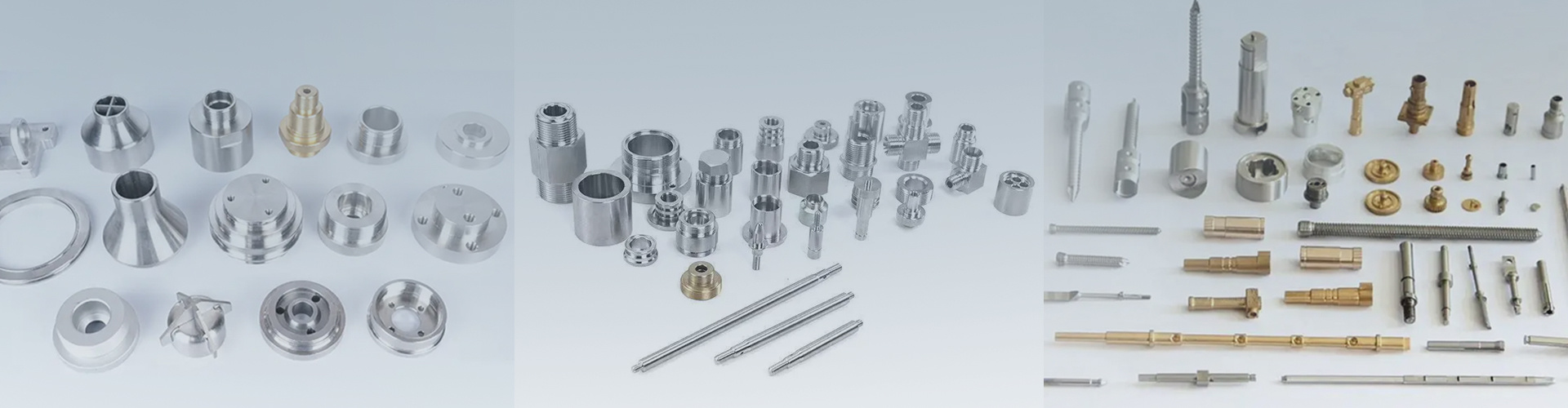
CNC Plastic Parts: Precision Manufacturing Solutions for Modern Industries
Published Time:
2026-03-02
CNC plastic parts are precision components produced through computer numerical control (CNC) machining technology using various engineering plastics. This advanced manufacturing method allows for highly accurate and consistent production of complex plastic components that meet strict industrial requirements. CNC machining is widely used across many industries because it provides excellent dimensional accuracy, repeatability, and flexibility in design.
CNC machining uses computer-controlled tools to remove material from plastic blocks, rods, or sheets according to digital design files such as CAD models. The process includes operations such as milling, turning, drilling, tapping, and engraving. Through these processes, manufacturers can create highly customized plastic components with tight tolerances and excellent surface finishes.
One of the main advantages of CNC plastic parts is their precision. CNC machines can achieve extremely accurate dimensions and maintain consistency across multiple production runs. This makes CNC plastic machining ideal for applications where precision and reliability are critical, such as aerospace equipment, medical devices, laboratory instruments, and electronic components.
A wide variety of plastic materials can be used to produce CNC plastic parts. Each material offers different physical, mechanical, and chemical properties, allowing manufacturers to select the most suitable material for specific applications. Common engineering plastics include ABS, nylon (PA), polycarbonate (PC), polyoxymethylene (POM or Delrin), acrylic (PMMA), PTFE (Teflon), polypropylene (PP), PEEK, and HDPE.
ABS is a popular material for CNC plastic parts because it provides good strength, impact resistance, and easy machinability. Nylon is widely used for mechanical components due to its excellent wear resistance and durability. Polycarbonate offers high transparency and strong impact resistance, making it suitable for protective covers and electronic housings.
POM (Delrin) is frequently used in CNC plastic machining for gears, bushings, and precision mechanical parts because of its low friction and excellent dimensional stability. PTFE is known for its outstanding chemical resistance and extremely low friction coefficient, making it ideal for seals, gaskets, and sliding components. High-performance materials such as PEEK are commonly used in aerospace, medical, and high-temperature industrial environments.
CNC plastic parts are widely used in many industries. In the electronics industry, CNC-machined plastic components are used for insulating parts, connectors, housings, and structural components. In the automotive industry, plastic parts are used for lightweight components, brackets, panels, and interior structures.
In the medical field, CNC plastic machining is used to produce high-precision components for medical devices, surgical instruments, and diagnostic equipment. Many medical-grade plastics offer excellent chemical resistance, sterilization compatibility, and biocompatibility, making them suitable for healthcare applications.
The aerospace industry also relies heavily on CNC plastic parts. Lightweight engineering plastics help reduce aircraft weight while maintaining high strength and durability. These materials are often used for insulation components, interior structures, cable guides, and protective covers.
Another major advantage of CNC plastic parts is design flexibility. Because CNC machining is controlled by digital programs, manufacturers can easily produce customized components with complex shapes and intricate details. This makes CNC plastic machining ideal for rapid prototyping and small-batch production.
Rapid prototyping allows engineers and designers to quickly test and evaluate new product designs before mass production. CNC machining can quickly convert digital designs into physical parts, allowing companies to accelerate product development and reduce time to market.
CNC plastic machining also provides excellent surface finish and dimensional stability. Depending on the project requirements, additional finishing processes such as polishing, sandblasting, painting, anodizing (for hybrid parts), laser engraving, and assembly can be applied to improve appearance and functionality.
Compared with injection molding, CNC machining is often more suitable for low-volume production and custom components. Injection molding typically requires expensive mold tooling, while CNC machining can produce parts directly from raw materials without the need for molds. This significantly reduces initial costs and allows greater flexibility during the design phase.
Quality control is another important aspect of CNC plastic parts manufacturing. Modern CNC workshops use advanced inspection equipment such as coordinate measuring machines (CMM), digital calipers, and optical measuring devices to ensure that every part meets precise specifications.
With the rapid development of modern manufacturing technology, CNC plastic parts are becoming increasingly important in industrial production. Manufacturers continue to improve machining accuracy, production efficiency, and material performance to meet the growing demands of global industries.
In conclusion, CNC plastic parts provide an efficient, precise, and versatile manufacturing solution for a wide range of industries. Their advantages include high precision, excellent material options, design flexibility, and cost-effectiveness for customized production. As industries continue to demand lightweight, durable, and high-performance components, CNC plastic machining will remain a key technology in modern manufacturing.
 2026-04-18


Beijing Pafinal Precision Machinery Co., Ltd.
Email:sales@pafinal.com

Address: No. 239 Huanhe South Road, Tianjin Pilot Free Trade Zone (Airport Economic Zone), Tianjin
sales@pafinal.com:
Whatsapp:
在线客服添加返回顶部
图片alt标题设置: PAFINAL
表单验证提示文本: Content cannot be empty!
循环体没有内容时: Sorry,no matching items were found.
CSS / JS 文件放置地