

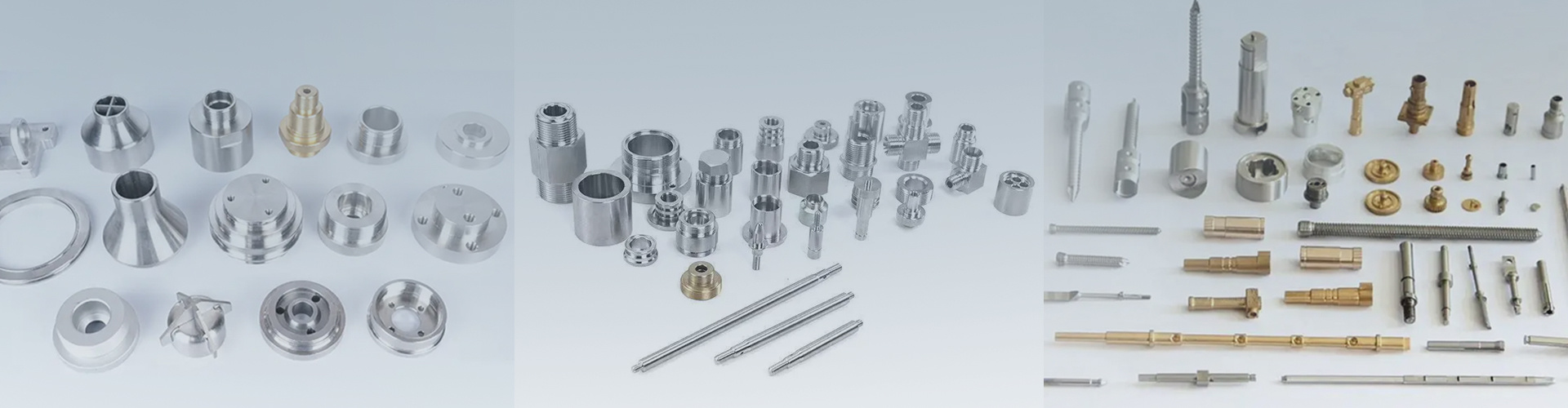
The Importance of Tolerances in CNC Swiss Aluminum Machining: A Comprehensive Guide
Published Time:
2026-01-10
The Importance of Tolerances in CNC Swiss Aluminum Machining
Introduction to CNC Swiss Aluminum Machining
CNC Swiss machining is a specialized manufacturing process that allows for the precise production of complex parts from various materials, particularly aluminum. This technique utilizes computer numerical control (CNC) to guide the machine, enabling it to achieve high levels of accuracy and efficiency.
In industries where precision is paramount, understanding tolerances becomes essential. Tolerances define the allowable limits of variation in a part's dimensions, ensuring that components fit together correctly and function as intended.
Understanding Tolerances in Machining
Tolerances refer to the permissible limits of variation in a physical dimension of a manufactured part. In the realm of machining, particularly CNC Swiss machining, tolerances are crucial for ensuring that parts not only fit together correctly but also perform their designated functions reliably.
Types of Tolerances
There are several types of tolerances that machinists commonly encounter:
1. **Linear Tolerances**
Linear tolerances define the acceptable variation in the length, width, or height of a part. They are typically represented as a plus/minus value (e.g., ±0.01 mm), indicating how much a dimension can deviate from the specified measurement.
2. **Geometric Tolerances**
Geometric tolerances focus on the form, orientation, and location of features within a part. This type of tolerance ensures that parts maintain their intended shape and positional relationships even when subjected to manufacturing variations.
3. **Surface Finish Tolerances**
Surface finish tolerances specify the texture and smoothness of a part's surface. These can influence how parts interact with each other, affecting everything from aesthetic appearance to functional performance, such as friction and wear resistance.
The Role of Tolerances in CNC Swiss Machining
CNC Swiss aluminum machining relies heavily on precise tolerances to achieve the required specifications for various components. Here are some key ways tolerances influence the machining process:
1. **Enhanced Precision**
CNC Swiss machining is renowned for its ability to produce highly accurate parts, often to tolerances of ±0.005 mm or tighter. This precision is vital in industries such as aerospace, automotive, and medical, where even minor deviations can lead to significant issues.
2. **Improved Part Interchangeability**
When tolerances are correctly applied, parts can be manufactured in different batches yet remain interchangeable. This interchangeability is crucial in mass production environments, where parts manufactured at different times must still fit together seamlessly.
3. **Minimized Waste**
By defining tolerances carefully, manufacturers can minimize waste caused by rejected parts. When machining processes align with specified tolerances, the likelihood of producing defective components decreases, saving both time and resources.
Determining the Right Tolerances for Your Project
Choosing the correct tolerances for a CNC Swiss machining project can significantly impact the final product. Here are some factors to consider:
1. **Material Properties**
Different materials respond differently during the machining process. Aluminum, for example, is a relatively forgiving material, allowing for tighter tolerances compared to more brittle materials. Understanding the properties of the material being machined is crucial for setting appropriate tolerances.
2. **Functional Requirements**
The intended use of the part should guide tolerance selection. Parts that will endure high stress or require precise alignment will necessitate tighter tolerances, while components with less stringent requirements can afford to be manufactured with looser tolerances.
3. **Manufacturing Capabilities**
It’s also essential to consider the capabilities of the CNC Swiss machining equipment being used. Different machines have varying levels of precision, and understanding these limitations can help in setting realistic tolerances for a project.
Common Challenges in Maintaining Tolerances
While CNC Swiss machining is adept at achieving high tolerances, several challenges can arise during the manufacturing process:
1. **Tool Wear**
As tools wear down over time, their ability to maintain tight tolerances diminishes. Regular monitoring and timely replacement of tools is essential to ensure consistent quality and precision.
2. **Machine Calibration**
Inaccuracies in machine calibration can lead to deviations from specified tolerances. Regular maintenance and calibration checks are necessary to ensure that the CNC Swiss machining equipment remains accurate.
3. **Temperature Fluctuations**
Temperature variations can affect both material properties and machine performance. Maintaining stable environmental conditions during the machining process can help mitigate these effects.
Best Practices for Managing Tolerances
To ensure that tolerances are maintained effectively throughout the CNC Swiss aluminum machining process, the following best practices should be implemented:
1. **Utilize Advanced Software**
Employing advanced CAD and CAM software can enhance the precision of designs and machining instructions. These tools help in defining tolerances accurately and streamline the machining process.
2. **Conduct Regular Quality Inspections**
Implementing routine quality inspections at various stages of production can catch deviations early, allowing for timely corrections and reducing waste.
3. **Engage Skilled Operators**
Investing in training for operators ensures that they understand the importance of tolerances and are equipped to manage them effectively. Skilled operators can make adjustments during the machining process to keep tolerances in check.
Innovations Impacting Tolerances in CNC Swiss Machining
As technology continues to evolve, several innovations are impacting how tolerances are managed in CNC Swiss aluminum machining:
1. **Automation and AI**
Automation and artificial intelligence are transforming machining processes by enabling real-time monitoring and adjustments based on tolerance requirements. These advancements help maintain precision while reducing human error.
2. **Additive Manufacturing Integration**
Integrating additive manufacturing with traditional machining processes allows for greater flexibility in achieving complex geometries while maintaining tolerances. This hybrid approach can lead to enhanced design possibilities and improved part performance.
Conclusion
Tolerances play a pivotal role in CNC Swiss aluminum machining, influencing everything from the accuracy of individual components to the overall success of manufacturing processes. By understanding the types of tolerances, their importance, and best practices for managing them, manufacturers can produce high-quality parts that meet both functional and aesthetic requirements. As technology advances, staying informed about innovations will be key to maintaining competitive edge and achieving excellence in precision engineering.
FAQs
1. What is the typical tolerance range for CNC Swiss aluminum machining?
Typical tolerance ranges for CNC Swiss machining can be as tight as ±0.005 mm, depending on the complexity of the part and the capabilities of the machine.
2. How does material choice affect tolerances?
Different materials have unique properties that can affect machining tolerances. Softer materials like aluminum allow for tighter tolerances, while harder or more brittle materials may require looser tolerances.
3. What are the consequences of not adhering to specified tolerances?
Failing to adhere to specified tolerances can lead to parts that do not fit together properly, resulting in functional failures, increased waste, and higher production costs.
4. Can tolerances be improved in existing processes?
Yes, by investing in better tools, enhancing training for operators, and utilizing advanced software, existing processes can be optimized to achieve tighter tolerances.
5. How often should machinery be calibrated to maintain tolerances?
Machinery should be calibrated regularly, typically on a quarterly basis, but this frequency may increase depending on usage and production demands.
By adhering to these principles and practices, manufacturers can achieve superior results in CNC Swiss aluminum machining, ensuring that their components meet the highest standards of quality and performance.
 2026-02-21


Beijing Pafinal Precision Machinery Co., Ltd.
Email:sales@pafinal.com

Address: No. 239 Huanhe South Road, Tianjin Pilot Free Trade Zone (Airport Economic Zone), Tianjin
中企跨境-全域组件
制作前进入CSS配置样式
sales@pafinal.com:
Whatsapp:
在线客服添加返回顶部
图片alt标题设置: PAFINAL
表单验证提示文本: Content cannot be empty!
循环体没有内容时: Sorry,no matching items were found.
CSS / JS 文件放置地