

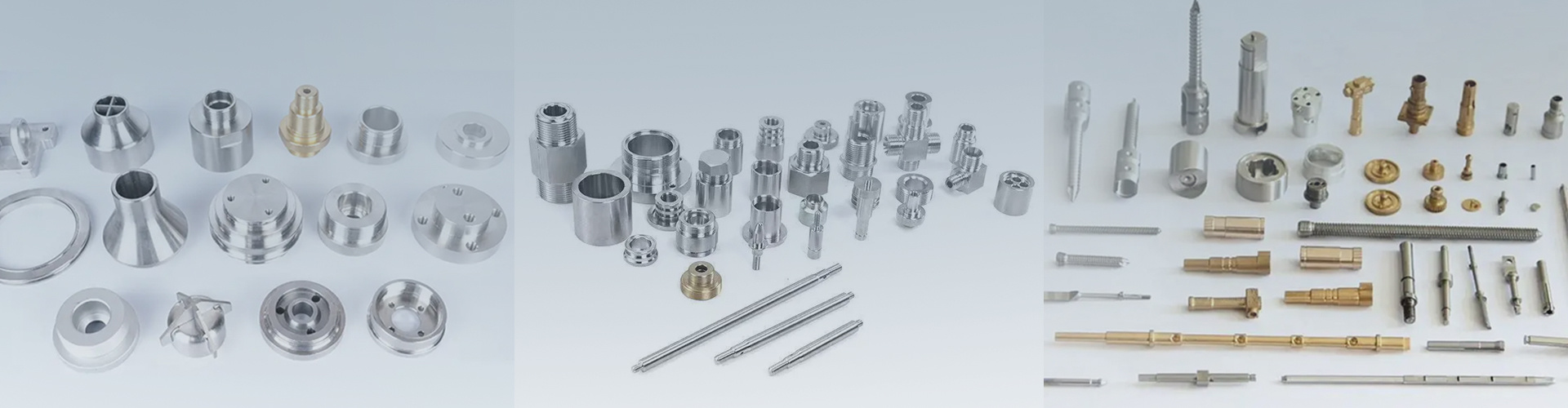
The Impact of CNC Machining Parts on Mechanical Hardware Processing
Published Time:
2026-01-24
The Impact of CNC Machining Parts on Mechanical Hardware Processing
Introduction to CNC Machining in Mechanical Hardware Processing
CNC (Computer Numerical Control) machining has become a cornerstone of modern manufacturing, particularly in the realm of mechanical hardware processing. This technology allows for the automation of complex machining tasks, which significantly enhances productivity and precision. In this article, we will explore the profound impact of CNC machining parts on the mechanical hardware industry, examining how they contribute to improved efficiency, quality, and customization in production processes.
Understanding CNC Machining: A Brief Overview
CNC machining involves the use of computer-controlled machines to shape materials into desired specifications. This advanced manufacturing process is widely employed in various industries, including automotive, aerospace, and electronics. The primary advantage of CNC machining lies in its ability to produce parts with high accuracy and repeatability.
Key Components of CNC Machining
The CNC machining process consists of several essential components, including:
1. **CNC Machine**: The machine itself, which can be a milling machine, lathe, or router, is designed to cut and shape materials based on programmed instructions.
2. **Control Software**: This software interprets the design file, translating it into specific movements and actions for the CNC machine.
3. **Cutting Tools**: These tools are essential for material removal and come in various shapes and sizes, depending on the job requirements.
4. **Material**: The raw material, whether metal, plastic, or composite, is critical to the quality of the final product.
The Role of CNC Machining Parts in Mechanical Hardware Manufacturing
CNC machining parts play a crucial role in mechanical hardware processing. They facilitate the production of complex geometries and intricate designs that would be impractical or impossible to achieve through traditional machining methods. This capability allows manufacturers to create parts that meet precise specifications with minimal tolerances.
Enhancing Precision and Quality Control
One of the most significant advantages of CNC machining is the enhanced precision it offers. This technology minimizes human error, ensuring consistency across production runs. As a result, parts produced through CNC machining exhibit superior quality, which is essential in industries where safety and reliability are paramount.
Applications of CNC Machining in Mechanical Hardware
CNC machining finds applications in various aspects of mechanical hardware processing, including:
1. **Custom Parts Manufacturing**: CNC technology enables the production of tailor-made components to meet specific customer needs.
2. **Prototyping**: Rapid prototyping capabilities allow manufacturers to create and test designs quickly before full-scale production.
3. **Mass Production**: CNC machining can be scaled for mass production, ensuring that high volumes of parts can be produced efficiently without sacrificing quality.
Cost Efficiency and Time Savings
The initial investment in CNC machinery can be substantial, but the long-term benefits often outweigh the costs. CNC machining reduces labor costs and minimizes material waste, leading to increased profitability for manufacturers.
Streamlined Production Processes
CNC machining streamlines production processes by automating repetitive tasks. This automation not only speeds up production but also allows skilled workers to focus on more complex aspects of manufacturing, enhancing overall operational efficiency.
The Flexibility of CNC Machining Technology
CNC machining offers unparalleled flexibility, making it an ideal choice for manufacturers dealing with a variety of projects. Whether producing small batches or large quantities, CNC machines can be programmed to accommodate changing design specifications swiftly.
Integration with CAD/CAM Systems
The integration of CNC machines with Computer-Aided Design (CAD) and Computer-Aided Manufacturing (CAM) systems simplifies the transition from design to production. This seamless workflow reduces errors and accelerates the manufacturing process, providing a competitive edge to businesses.
Environmental Impact of CNC Machining
As sustainability becomes increasingly important, CNC machining offers eco-friendly advantages. The precision of CNC machining reduces material waste, and the ability to use biodegradable materials further contributes to a lower environmental footprint.
Energy Efficiency in CNC Operations
Modern CNC machines are designed to operate efficiently, consuming less energy than traditional machines. Implementing energy-efficient practices not only reduces operational costs but also aligns with global sustainability goals.
Challenges in CNC Machining and Solutions
While CNC machining presents numerous advantages, manufacturers may encounter challenges, including high initial costs, maintenance requirements, and the need for skilled operators. Understanding these challenges allows businesses to develop effective strategies to mitigate risks.
Investing in Training and Maintenance
To maximize the benefits of CNC technology, manufacturers should invest in proper training for their workforce and create comprehensive maintenance plans. This approach ensures that machines operate at peak performance, reducing downtime and enhancing productivity.
Future Trends in CNC Machining
The future of CNC machining is bright, with ongoing advancements in technology promising even greater efficiency and capabilities. Emerging trends include:
1. **Automation and Robotics**: The integration of robotics with CNC machining will further enhance production efficiency and precision.
2. **Artificial Intelligence**: AI-driven analytics can optimize machining processes, predicting maintenance needs and improving overall productivity.
3. **3D Printing Integration**: Combining CNC machining with 3D printing technologies will enable new possibilities for custom part production.
Conclusion
CNC machining has transformed mechanical hardware processing by enhancing precision, efficiency, and flexibility. As manufacturers continue to embrace this technology, they position themselves to meet the evolving demands of the industry. By understanding and leveraging the benefits of CNC machining, businesses can ensure sustainable growth and remain competitive in an increasingly complex marketplace.
Frequently Asked Questions (FAQs)
1. What is CNC machining?
CNC machining is a manufacturing process that uses computer-controlled machines to shape materials into precise specifications, improving accuracy and repeatability.
2. How does CNC machining improve production efficiency?
CNC machining automates repetitive tasks, reduces human error, and allows for quick setup and changeover, leading to faster production times.
3. What materials can be used in CNC machining?
CNC machining can work with various materials, including metals (aluminum, steel, brass), plastics, and composites, depending on the application.
4. Is CNC machining suitable for small batch production?
Yes, CNC machining is highly adaptable, making it suitable for both small batches and large-scale production runs.
5. What are the maintenance requirements for CNC machines?
Regular maintenance includes routine inspections, lubrication, and checks on cutting tools to ensure optimal performance and longevity.
By understanding the impact of CNC machining parts on mechanical hardware processing, manufacturers can leverage this technology to enhance their operations and drive success in their respective industries.
NewsCenter
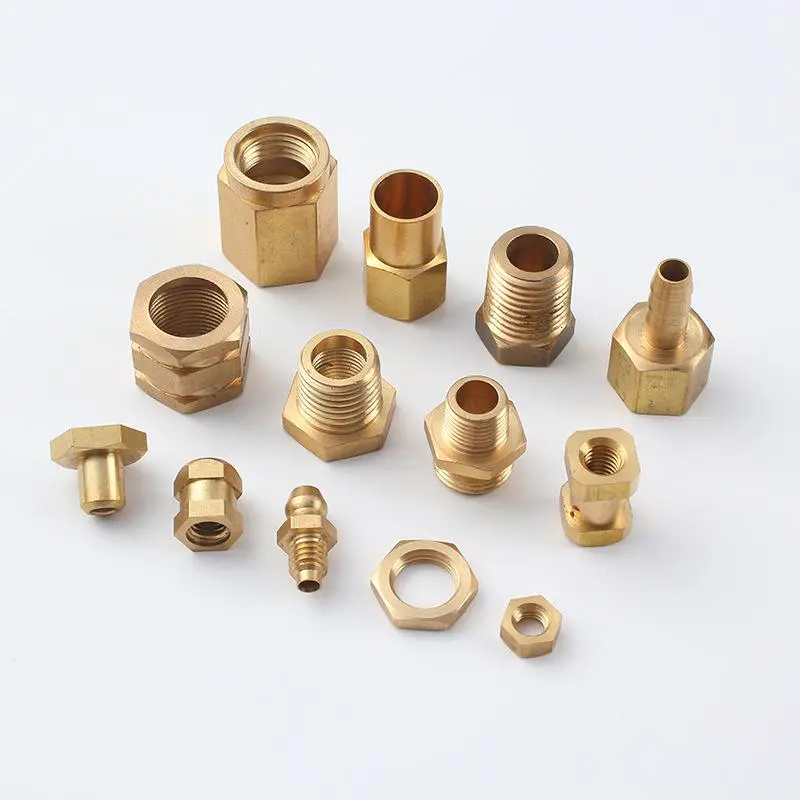
 2026-03-21
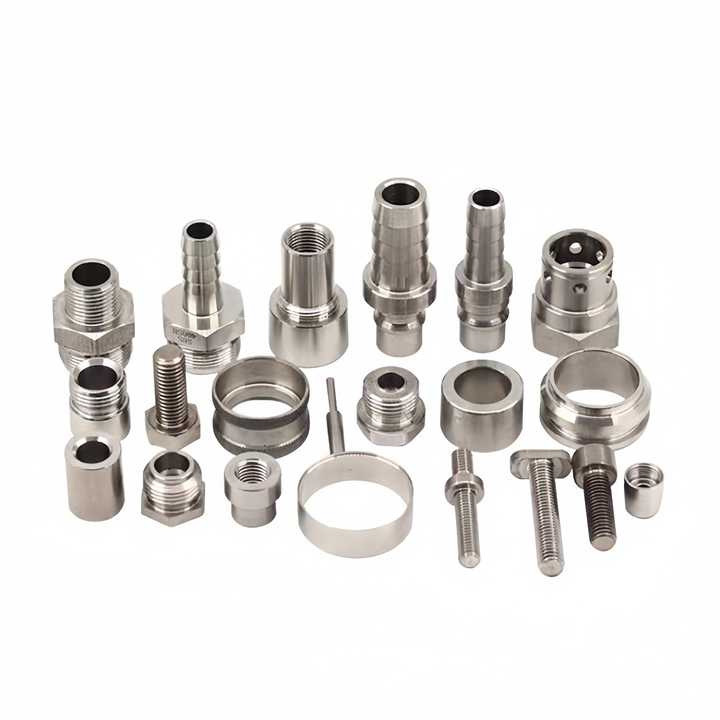

Beijing Pafinal Precision Machinery Co., Ltd.
Email:sales@pafinal.com

Address: No. 239 Huanhe South Road, Tianjin Pilot Free Trade Zone (Airport Economic Zone), Tianjin
中企跨境-全域组件
制作前进入CSS配置样式
sales@pafinal.com:
Whatsapp:
在线客服添加返回顶部
图片alt标题设置: PAFINAL
表单验证提示文本: Content cannot be empty!
循环体没有内容时: Sorry,no matching items were found.
CSS / JS 文件放置地