

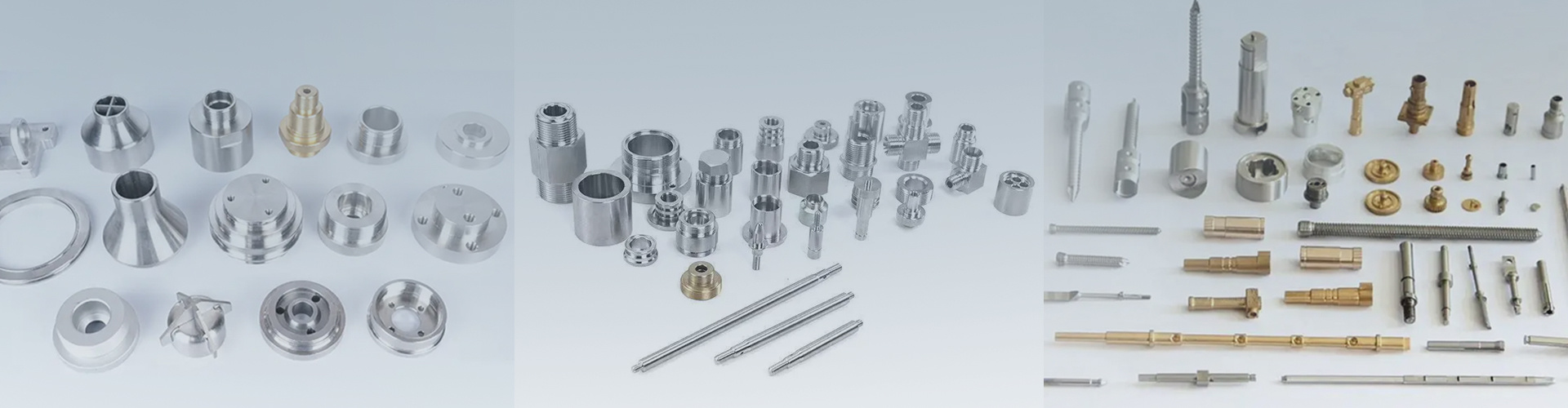
CNC Milling Parts: Precision Machining for High-Performance Industrial Components
Published Time:
2026-03-02
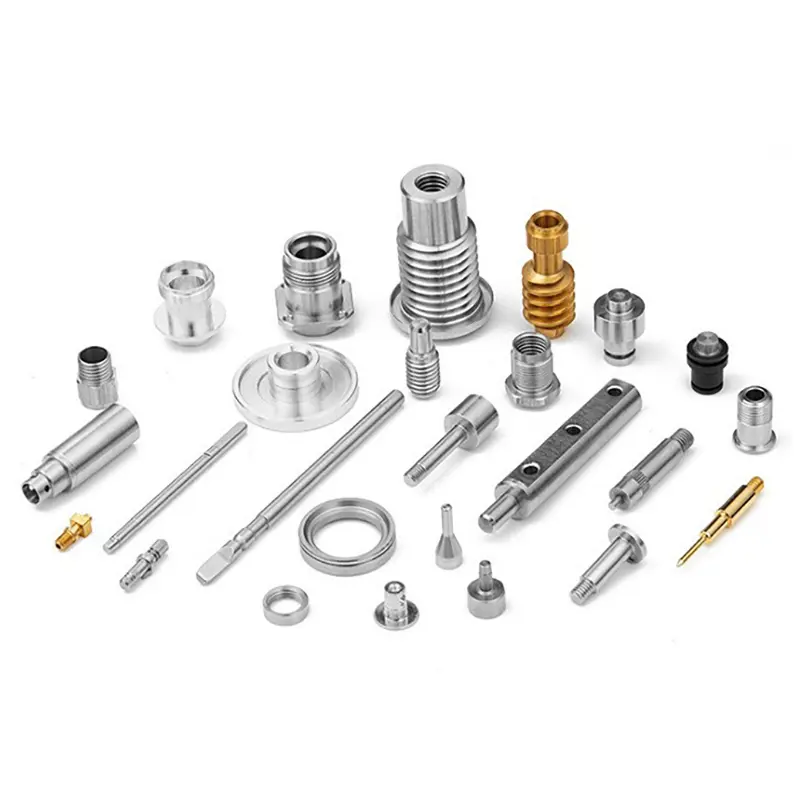
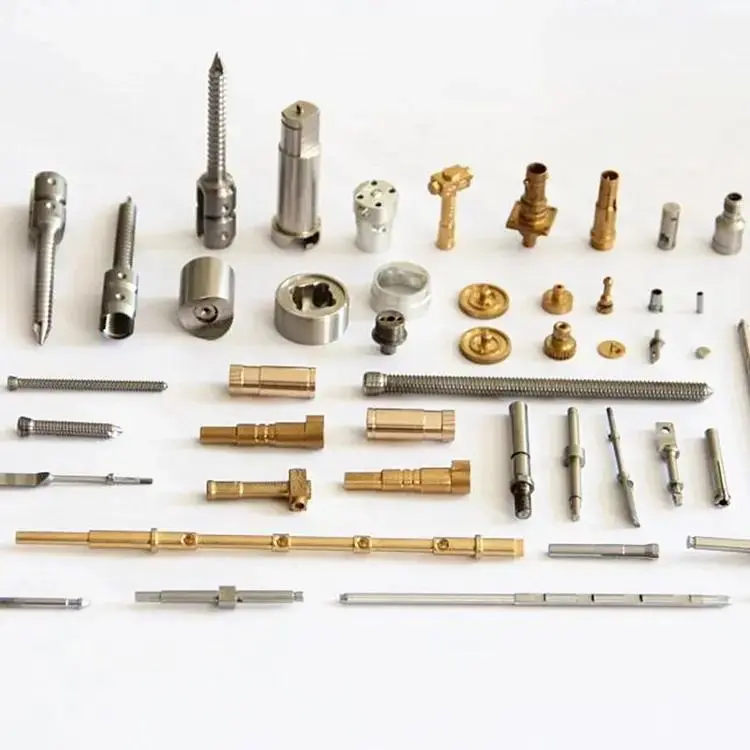
CNC milling parts are precision components manufactured through computer numerical control (CNC) milling technology. This advanced machining process uses rotating cutting tools controlled by computer programs to remove material from a workpiece, gradually shaping it into the desired form. CNC milling is widely used in modern manufacturing due to its high accuracy, efficiency, and ability to produce complex geometries.
The CNC milling process begins with a digital design created using CAD (Computer-Aided Design) software. This design is then converted into machine instructions through CAM (Computer-Aided Manufacturing) software. The CNC milling machine follows these instructions to precisely cut and shape the material. This automated process ensures consistent quality and reduces the possibility of human error.
CNC milling parts can be produced from a wide range of materials, including metals and engineering plastics. Common metal materials include aluminum, stainless steel, carbon steel, brass, copper, and titanium. Engineering plastics such as ABS, nylon, POM, PTFE, and polycarbonate are also frequently used depending on the specific application requirements. The selection of materials depends on factors such as strength, durability, corrosion resistance, weight, and thermal stability.
One of the major advantages of CNC milling parts is their exceptional precision. Modern CNC milling machines can achieve extremely tight tolerances, often within ±0.01 mm or even higher accuracy. This level of precision is essential for industries where component performance and reliability are critical, such as aerospace, automotive manufacturing, medical equipment, and electronics.
CNC milling is capable of producing complex shapes and detailed features that would be difficult or impossible to achieve using traditional machining methods. Features such as slots, threads, pockets, grooves, contours, and multi-dimensional surfaces can be precisely machined using advanced multi-axis CNC milling machines. These machines can operate on three-axis, four-axis, or five-axis configurations to create intricate components.
Another significant advantage of CNC milling parts is repeatability. Once a program is created, the machine can reproduce the same component repeatedly with consistent accuracy. This makes CNC milling ideal for both prototype development and large-scale production. Manufacturers can quickly adjust design parameters and produce updated parts without major changes to the production setup.
CNC milling parts are widely used in many industries. In the automotive industry, CNC-milled components are used for engine parts, transmission housings, brackets, suspension components, and various structural elements. The ability to produce lightweight yet strong components helps improve vehicle performance and fuel efficiency.
In the aerospace industry, CNC milling plays a crucial role in manufacturing aircraft components that require high precision and reliability. Parts such as turbine components, structural brackets, housings, and mounting systems are often produced through CNC milling. The process ensures that these critical parts meet strict safety and quality standards.
The electronics industry also relies heavily on CNC milling parts. Precision-machined components are used for heat sinks, enclosures, connectors, and mounting frames. The ability to produce detailed and compact designs is particularly important for modern electronic devices.
In the medical industry, CNC milling is used to produce high-precision components for medical devices, surgical instruments, and diagnostic equipment. Medical-grade materials and strict manufacturing standards ensure safety, durability, and biocompatibility in healthcare applications.
Surface finishing is an important aspect of CNC milling parts manufacturing. After machining, parts can undergo additional finishing processes to improve their appearance, durability, and performance. Common finishing options include anodizing, polishing, sandblasting, powder coating, electroplating, and painting. These processes can enhance corrosion resistance, wear resistance, and aesthetic quality.
Quality control is essential in the production of CNC milling parts. Manufacturers use advanced inspection tools such as coordinate measuring machines (CMM), digital calipers, micrometers, and optical measuring systems to verify dimensional accuracy and ensure compliance with design specifications. Strict quality management systems help maintain high production standards.
Another benefit of CNC milling parts is the flexibility it offers in manufacturing. Unlike some traditional manufacturing methods that require expensive molds or tooling, CNC milling can produce parts directly from raw material using digital programs. This allows for faster product development, easier design modifications, and lower initial production costs.
With continuous advancements in CNC technology, modern milling machines are becoming faster, more precise, and more efficient. Automation, intelligent software systems, and advanced cutting tools further improve productivity and manufacturing capabilities.
In conclusion, CNC milling parts play a vital role in modern manufacturing industries. Their advantages include high precision, excellent repeatability, design flexibility, and compatibility with a wide range of materials. From aerospace and automotive to electronics and medical equipment, CNC milling continues to provide reliable and efficient solutions for producing high-quality industrial components.
 2026-04-18

Beijing Pafinal Precision Machinery Co., Ltd.
Email:sales@pafinal.com

Address: No. 239 Huanhe South Road, Tianjin Pilot Free Trade Zone (Airport Economic Zone), Tianjin
sales@pafinal.com:
Whatsapp:
在线客服添加返回顶部
图片alt标题设置: PAFINAL
表单验证提示文本: Content cannot be empty!
循环体没有内容时: Sorry,no matching items were found.
CSS / JS 文件放置地