

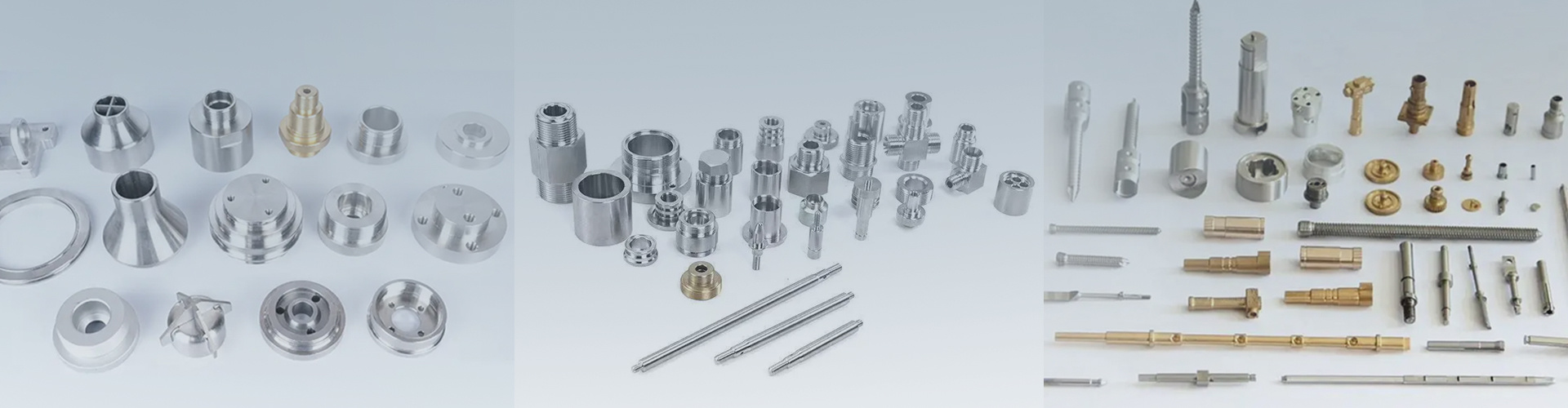
Swiss Automatic Lathe Machining: Precision Manufacturing for Complex Small Parts
Published Time:
2026-03-02
Swiss automatic lathe machining is a highly advanced precision manufacturing process designed to produce small, complex, and high-accuracy components with exceptional efficiency. Originating from the Swiss watchmaking industry, this machining technology was initially developed to manufacture extremely small and delicate watch components that required tight tolerances and flawless surface finishes. Over time, Swiss machining technology has evolved significantly and is now widely used in industries such as medical devices, aerospace, automotive, electronics, telecommunications, and precision instrumentation.
A Swiss automatic lathe differs from a conventional lathe primarily in its unique sliding headstock and guide bushing design. In a traditional lathe, the workpiece is fixed and the cutting tool moves toward it. However, in a Swiss-type lathe, the workpiece moves longitudinally through a guide bushing while the cutting tools remain relatively stationary. The guide bushing supports the workpiece very close to the cutting point, which dramatically reduces vibration and deflection during machining. This design allows the machine to maintain extremely tight tolerances even when machining long, slender, or delicate parts.
One of the key advantages of Swiss automatic lathe machining is its ability to produce highly complex parts in a single setup. Modern Swiss CNC machines are equipped with multiple tool stations, live tooling, and sub-spindles that allow several machining operations to occur simultaneously. Turning, drilling, milling, threading, tapping, knurling, and slotting can all be completed within one machine cycle. This multi-tasking capability significantly reduces production time, minimizes the need for secondary operations, and ensures consistent quality throughout the manufacturing process.
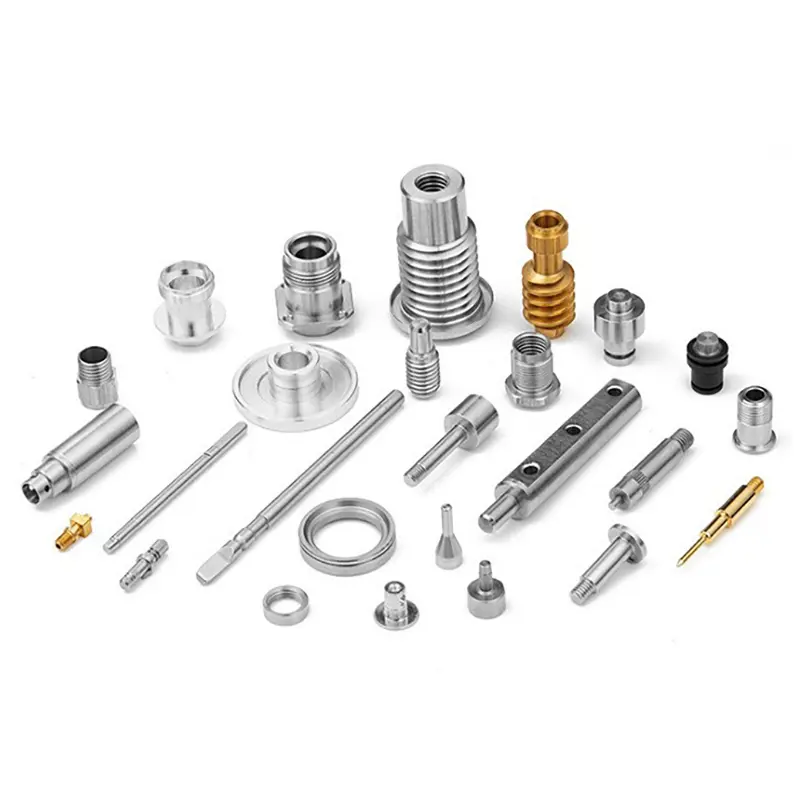
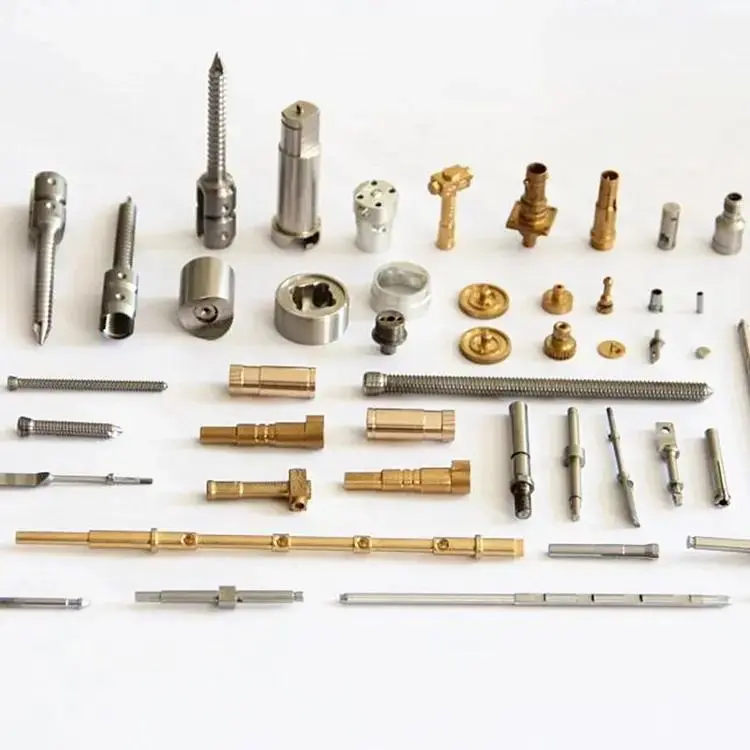
Swiss machining is particularly suitable for manufacturing small-diameter components that require high precision. Typical part diameters range from 0.5 mm to 32 mm, although some machines can handle slightly larger dimensions. The process is ideal for producing parts such as medical bone screws, dental implants, surgical instrument components, electronic connectors, micro fasteners, watch parts, miniature shafts, sensor housings, and hydraulic components. Because of its high level of precision and repeatability, Swiss automatic lathe machining is widely used in industries where strict dimensional accuracy and reliability are essential.
Another major benefit of Swiss automatic lathe machining is its exceptional efficiency in high-volume production. Once the program is set up and optimized, the machine can run continuously with minimal operator intervention. Bar feeders are commonly used to supply raw material automatically, allowing the machine to produce parts continuously for long periods. This automation greatly improves productivity and reduces labor costs while maintaining consistent product quality.
Swiss CNC lathes are also highly versatile in terms of material compatibility. They can machine a wide range of metals and engineering plastics, including stainless steel, carbon steel, aluminum, brass, copper, titanium, and high-performance plastics such as PEEK, PTFE, and nylon. The choice of material depends on the specific requirements of the final product, such as strength, corrosion resistance, weight, conductivity, or biocompatibility.
Surface finish and dimensional accuracy are two of the most important factors in precision machining, and Swiss automatic lathes excel in both areas. The guide bushing support and precise tool control allow manufacturers to achieve extremely tight tolerances, often within ±0.002 mm. At the same time, advanced cutting tools and optimized machining parameters help produce smooth surface finishes that often eliminate the need for additional finishing processes.
Modern Swiss machining centers are equipped with advanced CNC control systems, which allow for highly complex programming and precise process control. CAD/CAM software is commonly used to design and simulate the machining process before production begins. This reduces the risk of errors, improves machining efficiency, and ensures optimal tool paths. In addition, many Swiss machines include automated inspection systems and in-process monitoring technologies that help maintain consistent quality throughout production.
Quality control is a critical part of Swiss automatic lathe machining. Precision measurement tools such as coordinate measuring machines (CMM), optical measuring systems, and laser inspection equipment are often used to verify part dimensions and ensure compliance with strict industry standards. This level of quality assurance is particularly important for industries such as medical and aerospace, where even the smallest dimensional deviation can affect product performance and safety.
In addition to precision and efficiency, Swiss automatic lathe machining also offers excellent material utilization. Because the machining process is highly controlled and optimized, waste material is minimized. This not only reduces manufacturing costs but also contributes to more sustainable production practices.
As manufacturing technologies continue to advance, Swiss machining is becoming even more sophisticated. Modern machines incorporate features such as multi-axis control, intelligent automation, real-time monitoring, and digital manufacturing integration. These innovations enable manufacturers to produce increasingly complex components with higher precision, faster production speeds, and improved reliability.
In conclusion, Swiss automatic lathe machining is one of the most effective and reliable methods for producing small, high-precision components. Its unique guide bushing design, multi-tool capability, and high level of automation make it an ideal solution for industries that demand exceptional accuracy, consistency, and efficiency. Whether producing medical implants, electronic connectors, aerospace components, or precision mechanical parts, Swiss machining continues to play a vital role in modern precision manufacturing.
 2026-04-18


Beijing Pafinal Precision Machinery Co., Ltd.
Email:sales@pafinal.com

Address: No. 239 Huanhe South Road, Tianjin Pilot Free Trade Zone (Airport Economic Zone), Tianjin
sales@pafinal.com:
Whatsapp:
在线客服添加返回顶部
图片alt标题设置: PAFINAL
表单验证提示文本: Content cannot be empty!
循环体没有内容时: Sorry,no matching items were found.
CSS / JS 文件放置地