

The Essential Guide to Machined Parts: Understanding Their Role in Modern Manufacturing
Published Time:
2025-12-20
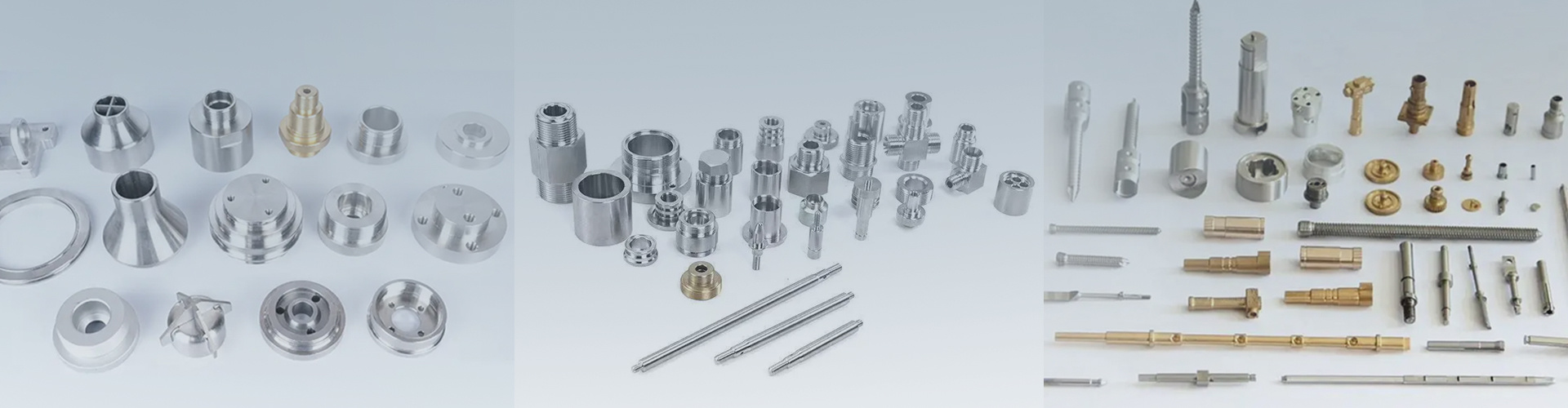
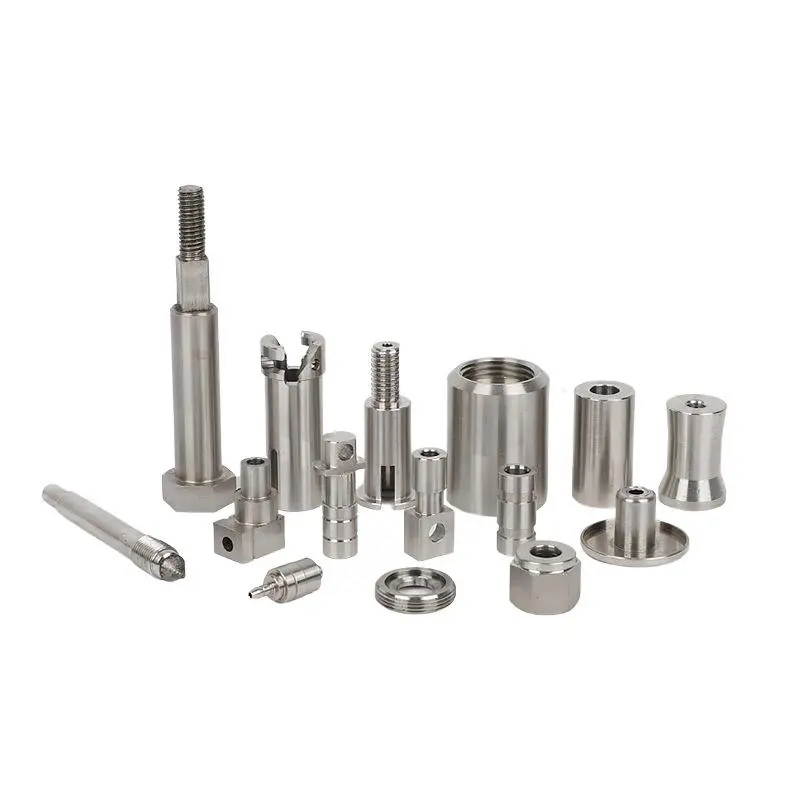
In the manufacturing and machining industry, "machined parts" refer to components that have undergone a process of material removal to achieve specific dimensions, shapes, and surface finishes. These parts are crucial in various applications, from automotive and aerospace to electronics and medical devices. Understanding the role of machined parts can greatly enhance your comprehension of how they contribute to the efficiency and functionality of engineered systems.
The production of machined parts typically involves several key processes, including turning, milling, drilling, and grinding. Each of these processes utilizes sophisticated machinery to cut, shape, and refine raw materials—often metals, plastics, or composites—into precise components. For instance, turning is frequently employed to create cylindrical parts, while milling can produce flat surfaces and complex geometries. Advanced CNC (Computer Numerical Control) technology has revolutionized these processes by enabling high-speed machining with exceptional accuracy, ensuring that the final products meet stringent tolerances.
One of the primary advantages of machined parts is their versatility. They can be tailored to meet specific engineering requirements, allowing manufacturers to create custom solutions that enhance product performance. Furthermore, the ability to produce small batches with high precision makes machined parts suitable for prototyping and one-off applications, where standard components may not suffice.
Another significant benefit of machined parts is their reliability. The rigorous quality control measures employed during the machining process ensure that each component meets the desired specifications, thus reducing the risk of failure in assembled products. This reliability is particularly vital in industries such as aerospace and medical, where the functionality of a product can directly impact safety and performance.
Additionally, advancements in materials science have expanded the range of options available for machined parts. Manufacturers now have access to high-strength alloys, lightweight composites, and specialized plastics that can withstand extreme conditions, such as high temperatures or corrosive environments. This broadened material selection allows engineers to design more innovative and efficient products.
In conclusion, machined parts play a vital role in modern manufacturing processes. Their ability to be custom-designed, combined with advanced machining techniques and a diverse material selection, makes them indispensable in countless applications. Understanding how these components are produced and utilized can provide valuable insights for anyone involved in the manufacturing sector, helping to drive innovation and improve product outcomes. Whether you are a seasoned professional or just starting your journey in the industry, a solid grasp of machined parts will undoubtedly contribute to your success.
The production of machined parts typically involves several key processes, including turning, milling, drilling, and grinding. Each of these processes utilizes sophisticated machinery to cut, shape, and refine raw materials—often metals, plastics, or composites—into precise components. For instance, turning is frequently employed to create cylindrical parts, while milling can produce flat surfaces and complex geometries. Advanced CNC (Computer Numerical Control) technology has revolutionized these processes by enabling high-speed machining with exceptional accuracy, ensuring that the final products meet stringent tolerances.
One of the primary advantages of machined parts is their versatility. They can be tailored to meet specific engineering requirements, allowing manufacturers to create custom solutions that enhance product performance. Furthermore, the ability to produce small batches with high precision makes machined parts suitable for prototyping and one-off applications, where standard components may not suffice.
Another significant benefit of machined parts is their reliability. The rigorous quality control measures employed during the machining process ensure that each component meets the desired specifications, thus reducing the risk of failure in assembled products. This reliability is particularly vital in industries such as aerospace and medical, where the functionality of a product can directly impact safety and performance.
Additionally, advancements in materials science have expanded the range of options available for machined parts. Manufacturers now have access to high-strength alloys, lightweight composites, and specialized plastics that can withstand extreme conditions, such as high temperatures or corrosive environments. This broadened material selection allows engineers to design more innovative and efficient products.
In conclusion, machined parts play a vital role in modern manufacturing processes. Their ability to be custom-designed, combined with advanced machining techniques and a diverse material selection, makes them indispensable in countless applications. Understanding how these components are produced and utilized can provide valuable insights for anyone involved in the manufacturing sector, helping to drive innovation and improve product outcomes. Whether you are a seasoned professional or just starting your journey in the industry, a solid grasp of machined parts will undoubtedly contribute to your success.
 2026-02-21


Beijing Pafinal Precision Machinery Co., Ltd.
Email:sales@pafinal.com

Address: No. 239 Huanhe South Road, Tianjin Pilot Free Trade Zone (Airport Economic Zone), Tianjin
中企跨境-全域组件
制作前进入CSS配置样式
sales@pafinal.com:
Whatsapp:
在线客服添加返回顶部
图片alt标题设置: PAFINAL
表单验证提示文本: Content cannot be empty!
循环体没有内容时: Sorry,no matching items were found.
CSS / JS 文件放置地