

The Essential Guide to Understanding Machined Parts in Precision Manufacturing
Published Time:
2026-02-14
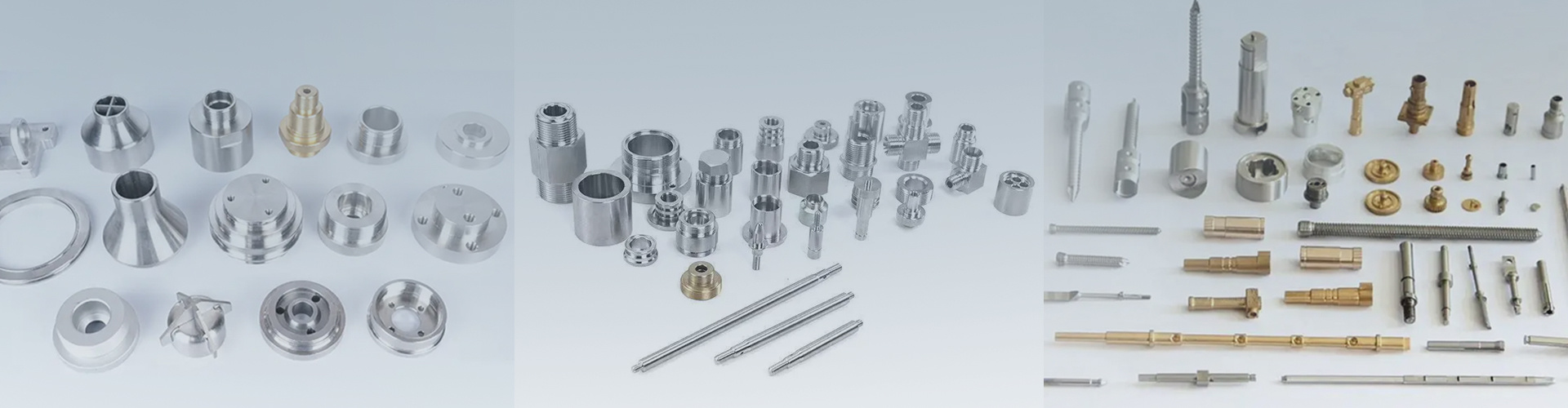
In the realm of manufacturing, **machined parts** play a pivotal role in ensuring the functionality and reliability of various mechanical systems. These components are produced through precision machining processes that involve the removal of material from a solid block to achieve the desired shape, size, and tolerances. Understanding the fundamentals of machined parts can significantly enhance the efficiency and quality of production in the machining industry.
Firstly, the materials used for machined parts can vary widely depending on the application. Common materials include metals such as aluminum, steel, brass, and titanium, as well as plastics and composites. Each material offers distinct properties, like strength, weight, corrosion resistance, and thermal stability, which should be carefully considered when selecting the appropriate components for specific applications.
Machining processes, such as turning, milling, drilling, and grinding, are critical in creating machined parts. Each method has its advantages and is suitable for different applications. For instance, turning is optimal for cylindrical shapes, while milling is more versatile and can produce intricate geometries. Understanding these processes enables manufacturers to select the most efficient methods, reducing waste and optimizing production times.
Another important aspect to consider is the tolerances required for machined parts. Tolerance refers to the allowable variation in dimensions, which can be critical for ensuring the parts fit correctly in assemblies. Tight tolerances often demand advanced machining techniques and equipment, such as CNC (Computer Numerical Control) machines, which provide high precision and repeatability. As tolerance requirements become stricter, it can impact the complexity and cost of production, making it a crucial factor for manufacturers to analyze.
Quality control is also paramount in the production of machined parts. Implementing robust inspection techniques, such as dimensional checks and surface finish assessments, helps ensure that components meet specified standards. Non-destructive testing methods can be utilized to verify the integrity of parts without causing damage, further enhancing reliability in high-stakes applications.
Lastly, staying informed about advancements in machining technologies, such as additive manufacturing and automation, is essential for professionals in the industry. These innovations are shaping the future of manufacturing, offering new possibilities for producing complex designs that were previously unattainable.
In conclusion, a solid understanding of **machined parts** is vital for professionals in the manufacturing and machining sectors. By considering material selection, machining processes, tolerance requirements, quality control, and emerging technologies, manufacturers can enhance their production capabilities and ensure high standards of precision and reliability in their components.
Firstly, the materials used for machined parts can vary widely depending on the application. Common materials include metals such as aluminum, steel, brass, and titanium, as well as plastics and composites. Each material offers distinct properties, like strength, weight, corrosion resistance, and thermal stability, which should be carefully considered when selecting the appropriate components for specific applications.
Machining processes, such as turning, milling, drilling, and grinding, are critical in creating machined parts. Each method has its advantages and is suitable for different applications. For instance, turning is optimal for cylindrical shapes, while milling is more versatile and can produce intricate geometries. Understanding these processes enables manufacturers to select the most efficient methods, reducing waste and optimizing production times.
Another important aspect to consider is the tolerances required for machined parts. Tolerance refers to the allowable variation in dimensions, which can be critical for ensuring the parts fit correctly in assemblies. Tight tolerances often demand advanced machining techniques and equipment, such as CNC (Computer Numerical Control) machines, which provide high precision and repeatability. As tolerance requirements become stricter, it can impact the complexity and cost of production, making it a crucial factor for manufacturers to analyze.
Quality control is also paramount in the production of machined parts. Implementing robust inspection techniques, such as dimensional checks and surface finish assessments, helps ensure that components meet specified standards. Non-destructive testing methods can be utilized to verify the integrity of parts without causing damage, further enhancing reliability in high-stakes applications.
Lastly, staying informed about advancements in machining technologies, such as additive manufacturing and automation, is essential for professionals in the industry. These innovations are shaping the future of manufacturing, offering new possibilities for producing complex designs that were previously unattainable.
In conclusion, a solid understanding of **machined parts** is vital for professionals in the manufacturing and machining sectors. By considering material selection, machining processes, tolerance requirements, quality control, and emerging technologies, manufacturers can enhance their production capabilities and ensure high standards of precision and reliability in their components.
NewsCenter
 2026-03-28
Beijing Pafinal Precision Machinery Co., Ltd.
Email:sales@pafinal.com

Address: No. 239 Huanhe South Road, Tianjin Pilot Free Trade Zone (Airport Economic Zone), Tianjin
中企跨境-全域组件
制作前进入CSS配置样式
sales@pafinal.com:
Whatsapp:
在线客服添加返回顶部
图片alt标题设置: PAFINAL
表单验证提示文本: Content cannot be empty!
循环体没有内容时: Sorry,no matching items were found.
CSS / JS 文件放置地