

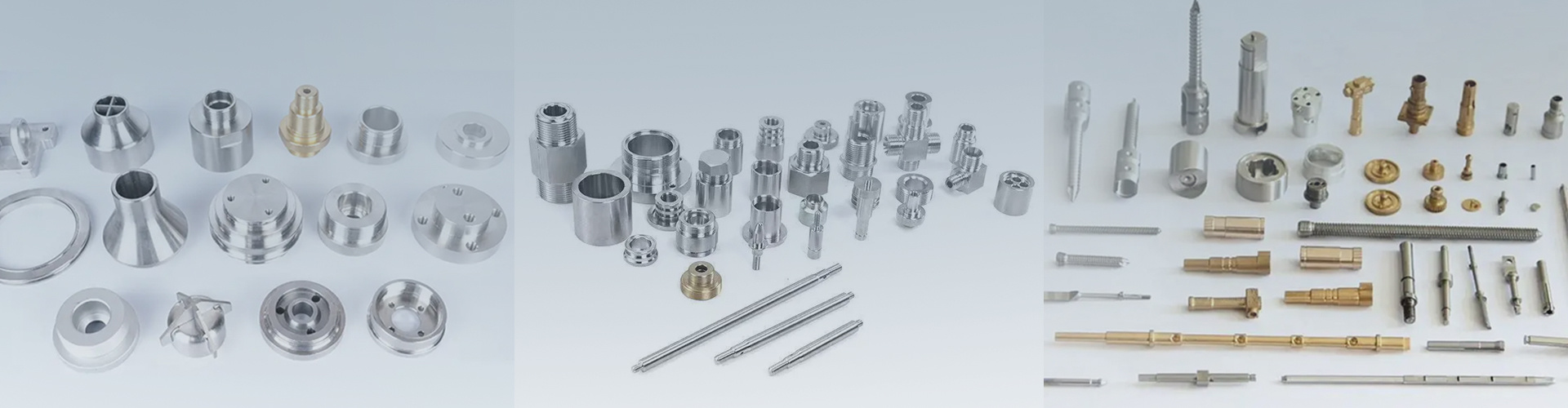
The Future of Manufacturing: Aerospace Machined Parts and Automation
Published Time:
2025-12-13
The Future of Manufacturing: Aerospace Machined Parts and Automation
Manufacturing has always been a cornerstone of economic growth and technological advancement. As we step into the future, the aerospace sector stands at the forefront of this evolution. With the rise of **machined parts** and **automation**, the industry is experiencing unprecedented changes. This article delves into the future of aerospace manufacturing, exploring how these advancements are shaping processes, improving quality, and enhancing productivity.
Table of Contents
1. Introduction to Aerospace Manufacturing
2. The Importance of Machined Parts in Aerospace
3. The Role of Automation in Aerospace Manufacturing
4. Technological Advancements in Machining
5. Benefits of Integrating Automation in Manufacturing
6. Future Trends in Aerospace Manufacturing
7. Challenges Facing the Aerospace Industry
8. Conclusion
9. Frequently Asked Questions
Introduction to Aerospace Manufacturing
The aerospace manufacturing industry is critical for both commercial and defense sectors. As air travel continues to grow, the demand for advanced aerospace components is at an all-time high. The manufacturing processes involved, particularly in producing **machined parts**, require precision, reliability, and efficiency. Emphasizing these aspects is vital for companies looking to maintain competitiveness in a rapidly evolving market.
The Importance of Machined Parts in Aerospace
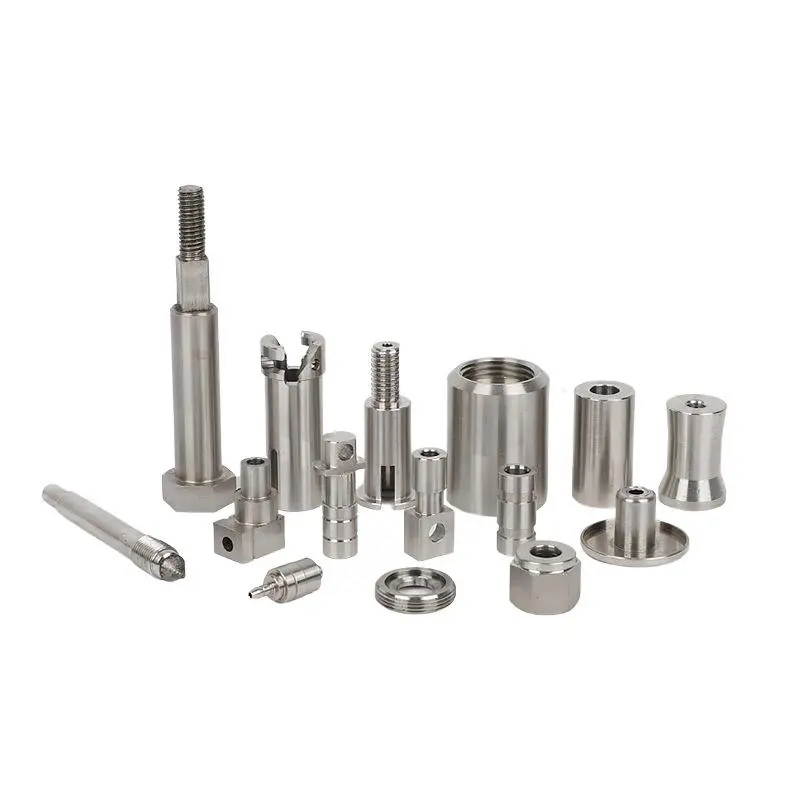
Machined parts are the heart of any aerospace manufacturing process. These parts include everything from engine components to structural elements, and their quality directly impacts aircraft performance and safety. The production of machined parts involves processes like milling, turning, and drilling, all of which demand high accuracy and attention to detail.
Precision Engineering in Aerospace
Precision engineering plays a significant role in ensuring that machined parts meet stringent industry standards. The use of advanced materials, such as titanium and composite materials, in conjunction with sophisticated machining techniques, enhances the durability and performance of aerospace components.
Quality Control Measures
To guarantee the reliability of machined parts, quality control is paramount. Techniques such as **non-destructive testing** (NDT) and **computer numerical control** (CNC) machining are implemented to minimize errors and ensure that parts meet the required specifications.
The Role of Automation in Aerospace Manufacturing
Automation is transforming the manufacturing landscape, particularly in the aerospace sector. The integration of robotics and automated systems streamlines production processes, increases efficiency, and reduces human error.
Types of Automation in Aerospace Manufacturing
1. **Robotic Arms**: These are employed for repetitive tasks such as welding and assembly, enhancing speed and accuracy.
2. **CNC Machines**: CNC technology automates the machining process, allowing for high precision in part production.
3. **Automated Inspection Systems**: These systems utilize advanced sensors and software to monitor production quality in real-time.
Enhancing Efficiency with Automation
The adoption of automation not only boosts production rates but also optimizes resource allocation. Automated systems can work around the clock, reducing downtime and increasing output, which is crucial for meeting the growing demands of the aerospace market.
Technological Advancements in Machining
The future of aerospace manufacturing is closely tied to advancements in technology. Innovations in machining processes are paving the way for more efficient and precise manufacturing.
Advanced Machining Techniques
1. **Additive Manufacturing**: Also known as 3D printing, this technology allows for the creation of complex geometries that traditional machining cannot achieve.
2. **Hybrid Machining**: Combining additive and subtractive processes, hybrid machining enhances flexibility and material usage.
3. **Smart Manufacturing**: Utilizing the Internet of Things (IoT), smart manufacturing integrates data analytics to optimize production processes.
The Impact of Industry 4.0
The shift towards Industry 4.0 is revolutionizing aerospace manufacturing by creating interconnected systems that enhance decision-making and efficiency. Real-time data collection and analysis enable manufacturers to respond quickly to changes in demand and improve overall productivity.
Benefits of Integrating Automation in Manufacturing
The integration of automation in aerospace manufacturing offers numerous benefits, including:
1. **Increased Precision**: Automation significantly reduces human error, ensuring that machined parts meet exact specifications.
2. **Cost-Effectiveness**: Although the initial investment in automation technology can be substantial, the long-term savings in labor and operational costs make it worthwhile.
3. **Enhanced Safety**: Automated systems can perform dangerous tasks, reducing the risk of workplace accidents.
Future Trends in Aerospace Manufacturing
As technology continues to evolve, several trends are emerging in aerospace manufacturing:
1. **Sustainability Initiatives**: There is a growing focus on sustainable manufacturing practices, including the use of eco-friendly materials and processes.
2. **Digital Twins**: This technology allows manufacturers to create virtual models of physical systems to optimize performance and predict failures before they occur.
3. **Customization**: As customer preferences shift towards tailored solutions, the industry is moving towards more customizable manufacturing processes.
Challenges Facing the Aerospace Industry
Despite the numerous advancements, there are significant challenges that the aerospace manufacturing sector must navigate:
1. **Supply Chain Disruptions**: Global events can impact the supply chain, affecting the availability of materials and parts.
2. **Regulatory Compliance**: The aerospace industry is heavily regulated, and manufacturers must continually adapt to new regulations.
3. **Talent Shortage**: As technology advances, there is a growing need for skilled workers who can operate and maintain complex machinery.
Conclusion
The future of aerospace manufacturing is bright, with advancements in **machined parts** and **automation** leading the charge. By embracing new technologies, manufacturers can improve efficiency, maintain high-quality standards, and meet the demands of a growing market. As the industry evolves, staying informed and adaptive will be key to success in this dynamic environment.
Frequently Asked Questions
1. What are machined parts in aerospace manufacturing?
Machined parts are components produced through machining processes such as milling, turning, and drilling, crucial for the performance and safety of aircraft.
2. How does automation impact aerospace manufacturing?
Automation enhances efficiency, precision, and safety in manufacturing processes, reducing human error and optimizing production.
3. What technological advancements are shaping the future of aerospace manufacturing?
Innovations like additive manufacturing, hybrid machining, and smart manufacturing are transforming how aerospace components are produced.
4. What are some challenges facing the aerospace manufacturing industry?
Challenges include supply chain disruptions, regulatory compliance, and a shortage of skilled labor.
5. How can manufacturers ensure quality in machined parts?
Implementing strict quality control measures, including non-destructive testing and CNC machining, helps maintain the reliability and precision of aerospace components.
 2026-02-21


Beijing Pafinal Precision Machinery Co., Ltd.
Email:sales@pafinal.com

Address: No. 239 Huanhe South Road, Tianjin Pilot Free Trade Zone (Airport Economic Zone), Tianjin
中企跨境-全域组件
制作前进入CSS配置样式
sales@pafinal.com:
Whatsapp:
在线客服添加返回顶部
图片alt标题设置: PAFINAL
表单验证提示文本: Content cannot be empty!
循环体没有内容时: Sorry,no matching items were found.
CSS / JS 文件放置地