

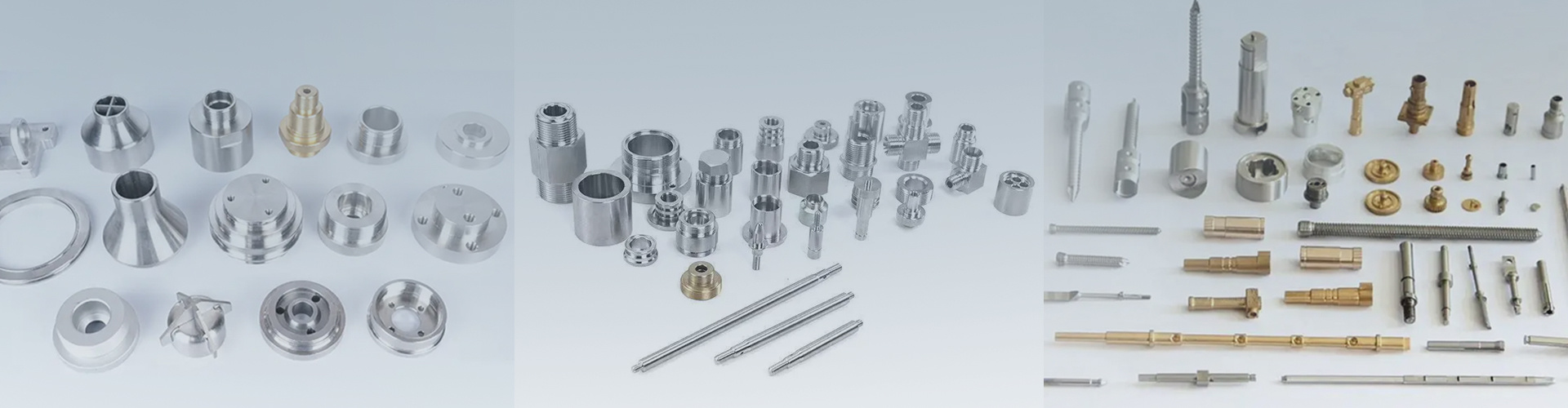
From Design to Production: The CNC Swiss Machining Process for Stainless Steel
Published Time:
2025-12-27
From Design to Production: The CNC Swiss Machining Process for Stainless Steel
Table of Contents
- Introduction to CNC Swiss Machining
- Understanding CNC Swiss Machining
- The Design Stage: Preparing for CNC Machining
- Material Selection: Why Stainless Steel?
- The CNC Swiss Machining Process Explained
- Advantages of CNC Swiss Machining for Stainless Steel
- Applications of CNC Swiss Machining in Various Industries
- The Future of CNC Swiss Machining Technology
- Frequently Asked Questions
- Conclusion
Introduction to CNC Swiss Machining
The CNC Swiss machining process revolutionizes the manufacturing landscape by providing unparalleled precision and efficiency, particularly for stainless steel components. With the growing demand for high-quality, intricate parts in various industries, understanding this machining process is crucial. In this article, we will delve deep into the CNC Swiss machining process, covering everything from its foundational principles to its future prospects.
Understanding CNC Swiss Machining
CNC Swiss machining is a specialized manufacturing process that employs advanced computer numerical control (CNC) machines to fabricate complex components. Originating from the Swiss watchmaking industry, this technique is particularly adept at producing small, intricate parts with tight tolerances. The essence of CNC Swiss machining lies in its ability to perform multiple operations simultaneously, making it highly efficient.
How Does CNC Swiss Machining Work?
The heart of CNC Swiss machining is its lathe, which holds the workpiece in place while a rotating spindle performs various cutting operations. Unlike traditional machining methods, where the tool moves to the material, in CNC Swiss machining, the material moves towards the tool, allowing for high precision and reduced waste.
Key Components of CNC Swiss Machining
1. **CNC Lathe:** The main machine that performs the machining operations.
2. **Tool Holder:** Holds the cutting tools securely during the machining process.
3. **Guide Bushing:** Provides support to the material during machining, ensuring accuracy.
4. **Spindle:** Rotates the workpiece, allowing for efficient cutting.
The Design Stage: Preparing for CNC Machining
Before embarking on the CNC Swiss machining process, meticulous design preparation is essential. This stage involves creating detailed part drawings and specifications that guide the machining process.
Using CAD Software for Design
Computer-Aided Design (CAD) software plays a pivotal role in the design phase, enabling engineers to create 3D models of the parts. These models serve as blueprints for the CNC machine, ensuring that every detail is accounted for before production begins.
Design Considerations for Swiss Machining
- **Tolerances:** Understanding acceptable tolerances is crucial, as CNC Swiss machining can achieve remarkably tight tolerances.
- **Geometry:** The complexity of the part’s geometry can influence the choice of tools and machining strategies.
- **Material Thickness:** Thicker materials may require different approaches compared to thinner sections.
Material Selection: Why Stainless Steel?
Stainless steel is a popular choice for CNC Swiss machining due to its unique properties. This material offers excellent corrosion resistance, durability, and aesthetic appeal, making it suitable for various applications.
Types of Stainless Steel Used in CNC Machining
- **304 Stainless Steel:** Known for its excellent corrosion resistance and weldability.
- **316 Stainless Steel:** Offers superior resistance to saltwater and chemicals, making it ideal for marine applications.
- **17-4 PH Stainless Steel:** A precipitation-hardening stainless steel that combines high strength and corrosion resistance.
Advantages of Using Stainless Steel in CNC Machining
- **Durability:** Stainless steel parts can withstand harsh environments.
- **Aesthetic Appeal:** The shiny finish of stainless steel enhances the visual appeal of products.
- **Recyclability:** Stainless steel is environmentally friendly and can be recycled without losing quality.
The CNC Swiss Machining Process Explained
The CNC Swiss machining process consists of several key steps, each crucial in ensuring the successful production of high-quality parts.
Step 1: Setting Up the CNC Machine
The first step involves setting up the CNC lathe, which includes installing the necessary tools, loading the stainless steel material, and inputting the part program created during the design phase.
Step 2: Machining Operations
During machining, the CNC machine performs various operations such as turning, milling, drilling, and threading. This multi-tasking capability significantly reduces production time and increases efficiency.
Step 3: Quality Control
Quality control is integral to the CNC Swiss machining process. Utilizing advanced measurement tools, manufacturers conduct inspections to ensure that the produced parts meet the specified tolerances and quality standards.
Common Machining Operations in CNC Swiss Machining
- **Turning:** The primary operation where material is removed from the workpiece.
- **Milling:** Used to create complex shapes and features on the part.
- **Drilling:** Produces holes of varying sizes and depths.
- **Threading:** Creates internal and external threads for screws and bolts.
Advantages of CNC Swiss Machining for Stainless Steel
CNC Swiss machining offers numerous advantages that make it a preferred choice for manufacturers looking to produce stainless steel components.
High Precision and Accuracy
The CNC Swiss machining process excels in producing intricate parts with tight tolerances, often within ±0.001 inches. This level of precision is vital in industries such as aerospace and medical devices.
Reduced Production Time
With the capability to perform multiple operations in a single setup, CNC Swiss machining significantly reduces production time compared to traditional machining methods. This efficiency translates to cost savings and faster delivery times.
Enhanced Flexibility
CNC Swiss machines can easily adapt to different part designs and sizes, making them suitable for low to medium volume production. This flexibility allows manufacturers to respond quickly to market demands.
Cost-Effectiveness in the Long Run
While the initial investment in CNC Swiss machines may be high, the long-term benefits such as reduced labor costs, less material waste, and faster production times make it a cost-effective solution.
Applications of CNC Swiss Machining in Various Industries
The versatility of CNC Swiss machining allows it to be utilized across various industries, each benefiting from its unique advantages.
Aerospace Industry
In aerospace, precision-engineered components such as brackets, fittings, and housings are critical. CNC Swiss machining ensures these parts meet rigorous safety and quality standards.
Medical Device Manufacturing
The medical industry relies on CNC Swiss machining for producing surgical instruments, implants, and other essential components. The high precision and biocompatibility of stainless steel make it an ideal choice.
Automotive Sector
The automotive industry uses CNC Swiss machining for manufacturing small, intricate parts such as valve stems, fuel injectors, and transmission components, where precision is paramount.
Electronics and Telecommunications
CNC Swiss machining is also prevalent in the electronics sector, producing connector housings, brackets, and other components that require high accuracy and quick turnaround times.
The Future of CNC Swiss Machining Technology
As technology continues to evolve, the future of CNC Swiss machining looks promising. Innovations such as automation, artificial intelligence, and advanced materials are set to enhance the machining process even further.
Automation and Robotics in CNC Machining
The integration of automation and robotics is expected to streamline the machining process, allowing for higher production rates and reduced labor costs, while also minimizing human error.
Smart Manufacturing and IoT
The advent of smart manufacturing and the Internet of Things (IoT) will enable real-time monitoring and data analysis, leading to improved efficiency and predictive maintenance in CNC Swiss machining operations.
Frequently Asked Questions
1. What types of parts can be produced using CNC Swiss machining?
CNC Swiss machining can produce a wide range of parts, including small and complex components such as medical devices, automotive parts, and aerospace fittings.
2. How does CNC Swiss machining differ from traditional machining?
CNC Swiss machining allows for simultaneous machining of multiple features, resulting in higher precision and reduced production time compared to traditional machining methods.
3. What are the benefits of using stainless steel in CNC machining?
Stainless steel offers excellent corrosion resistance, durability, and aesthetic appeal, making it an ideal material for various applications in CNC machining.
4. How do I choose the right CNC Swiss machine for my needs?
Consider factors such as part complexity, production volume, and the specific materials you will be working with when selecting a CNC Swiss machine.
5. Can CNC Swiss machining be used for prototyping?
Yes, CNC Swiss machining is an excellent choice for prototyping due to its high precision and ability to produce complex parts quickly.
Conclusion
The CNC Swiss machining process for stainless steel represents a significant advancement in manufacturing technology. By understanding the intricacies of this process, from design to production, manufacturers can harness its benefits to produce high-quality components efficiently. As we look toward the future, continued innovations in this field promise to further enhance the capabilities and applications of CNC Swiss machining, positioning it as a cornerstone of modern manufacturing.
 2026-02-21


Beijing Pafinal Precision Machinery Co., Ltd.
Email:sales@pafinal.com

Address: No. 239 Huanhe South Road, Tianjin Pilot Free Trade Zone (Airport Economic Zone), Tianjin
中企跨境-全域组件
制作前进入CSS配置样式
sales@pafinal.com:
Whatsapp:
在线客服添加返回顶部
图片alt标题设置: PAFINAL
表单验证提示文本: Content cannot be empty!
循环体没有内容时: Sorry,no matching items were found.
CSS / JS 文件放置地