

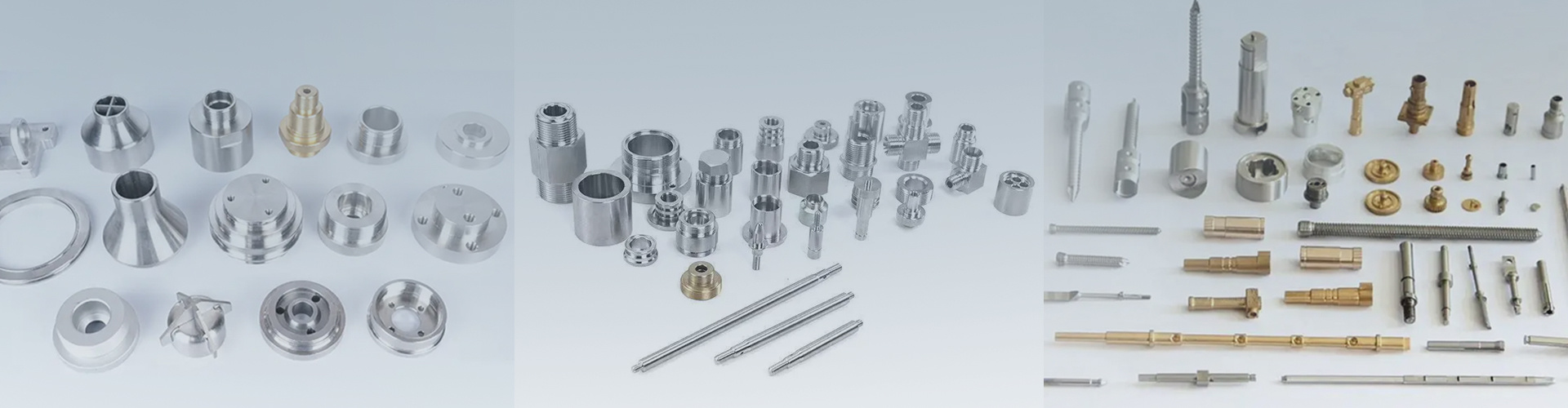
Choosing the Right CNC Swiss Machined Parts for Your Stainless Steel Needs
Published Time:
2026-02-21
Choosing the Right CNC Swiss Machined Parts for Your Stainless Steel Needs
Table of Contents
- Understanding CNC Swiss Machining
- Benefits of CNC Swiss Machining for Stainless Steel Parts
- Key Factors in Selecting CNC Swiss Machined Parts
- Material Considerations for Stainless Steel
- Precision and Tolerances in Machining
- Common Applications of CNC Swiss Machined Parts
- Quality Assurance in CNC Manufacturing
- FAQs
Understanding CNC Swiss Machining
CNC Swiss machining is a highly precise manufacturing process often used for creating intricate components, especially in the production of small parts. This technique utilizes a unique lathe design that allows the workpiece to be fed through the spindle while simultaneously being machined. The result is an efficient production method that achieves high accuracy and excellent surface finishes, making it particularly suitable for stainless steel applications.
How CNC Swiss Machining Works
During CNC Swiss machining, a rotating bar of material passes through the machine's spindle. The machine's tool moves along the bar to cut and shape the part. The process is automated through Computer Numerical Control (CNC), allowing for complex geometries and repeatable accuracy across multiple parts. This makes CNC Swiss machining an ideal choice for industries requiring precision-engineered components.
Benefits of CNC Swiss Machining for Stainless Steel Parts
Choosing CNC Swiss machining offers several advantages, particularly when working with stainless steel materials:
- High Precision: CNC Swiss machining delivers exceptional tolerances, often within ±0.001 inches, which is critical for many applications.
- Efficiency: The process allows for rapid production runs, optimizing throughput while maintaining quality.
- Complex Shapes: The ability to create intricate parts with multiple features in one setup saves time and reduces manufacturing costs.
- Sustainability: CNC machining minimizes waste by utilizing the material more efficiently compared to traditional machining methods.
Key Factors in Selecting CNC Swiss Machined Parts
When selecting CNC Swiss machined parts, several critical factors must be considered to ensure that the components meet your specific requirements:
Part Design and Complexity
The initial design of the part greatly influences the choice of manufacturing process. Complex geometries may require advanced CNC Swiss machining capabilities, while simpler designs may be better suited for standard machining processes.
Material Selection
The type of stainless steel used can affect the machining process. Different grades such as 304, 316, or 440 have varying machinability, corrosion resistance, and tensile strength. It's essential to choose the right grade based on the application and environmental conditions.
Tolerances and Specifications
Define the necessary tolerances and specifications early in the process. Ensure that the CNC machining service provider can meet these requirements without compromising quality.
Material Considerations for Stainless Steel
Stainless steel is a popular choice for CNC machined parts due to its strength, durability, and resistance to corrosion. Here are the key considerations when working with stainless steel:
Choosing the Right Grade
Different grades of stainless steel offer various mechanical properties. For example, 304 stainless steel is commonly used for its excellent corrosion resistance and formability, while 316 stainless steel provides higher resistance to saltwater environments. Understanding the properties of each grade will help in making informed decisions.
Machinability
Machinability refers to how easily a material can be machined. Stainless steels can be challenging to machine due to their toughness and work-hardening properties. Factors such as tool selection, cutting speed, and feed rates should be optimized to achieve the best results.
Precision and Tolerances in Machining
The precision of CNC Swiss machining is one of its standout features. It’s crucial to establish the tolerances required for your parts at the beginning of the design process:
Understanding Tolerance Levels
Tolerances define the allowable deviation from the desired dimensions. Depending on the application, tolerances can range from ±0.001 inches to ±0.0005 inches. The tighter the tolerances, the more sophisticated the machining process may need to be, impacting cost and production time.
Impact of Tolerances on Cost
Higher precision often comes with increased costs. It’s essential to balance the need for precision with budget constraints. Ensuring that tolerances are appropriate for the application can help avoid unnecessary expenses.
Common Applications of CNC Swiss Machined Parts
CNC Swiss machined parts are utilized across a wide range of industries due to their versatility and precision. Some common applications include:
Aerospace Components
In the aerospace industry, precision is paramount. CNC Swiss machining is used for manufacturing parts such as fuel nozzles, brackets, and connectors that meet strict regulatory standards.
Medical Devices
Medical equipment often requires components that are not only precise but also biocompatible. CNC Swiss machining is ideal for creating surgical instruments, implantable devices, and other critical components.
Automotive Parts
In automotive manufacturing, components such as valves, connectors, and fasteners are often produced using CNC Swiss machining due to their durability and reliability.
Quality Assurance in CNC Manufacturing
Quality assurance is vital in ensuring that CNC Swiss machined parts meet the required standards. Here are some critical aspects:
Inspection Processes
Regular inspection and testing during the manufacturing process help catch any defects early. Techniques such as Coordinate Measuring Machines (CMM) can ensure that parts meet specified tolerances.
Certifications and Standards
Look for CNC machining services that comply with international quality standards like ISO 9001. This ensures that they maintain a consistent level of quality in their manufacturing processes.
FAQs
1. What is CNC Swiss machining?
CNC Swiss machining is a manufacturing process that uses computer numerical control to create precise parts by feeding a rotating bar of material through a spindle while machining.
2. Why is stainless steel used in CNC machining?
Stainless steel is favored for its strength, corrosion resistance, and durability, making it suitable for various applications in industries like aerospace, automotive, and medical.
3. What are the common grades of stainless steel used in machining?
Common grades include 304, 316, and 440, each offering different mechanical properties and corrosion resistance levels.
4. What tolerances can be achieved with CNC Swiss machining?
CNC Swiss machining can achieve high precision tolerances, often within ±0.001 inches, depending on the complexity of the part and the machining process used.
5. How does the choice of material affect the machining process?
The machinability of the material affects tool selection, cutting speeds, and feed rates. Different materials may require specific tools and techniques to achieve the desired results.
Conclusion
Choosing the right CNC Swiss machined parts for your stainless steel needs involves careful consideration of various factors, including material selection, design complexity, precision requirements, and quality assurance. By understanding these elements and working with a reputable CNC machining provider, you can ensure that you achieve high-quality parts tailored to your specific applications. Investing time in selecting the appropriate components will ultimately contribute to the success of your projects and enhance your operational efficiency.
NewsCenter

 2026-04-04


Beijing Pafinal Precision Machinery Co., Ltd.
Email:sales@pafinal.com

Address: No. 239 Huanhe South Road, Tianjin Pilot Free Trade Zone (Airport Economic Zone), Tianjin
sales@pafinal.com:
Whatsapp:
在线客服添加返回顶部
图片alt标题设置: PAFINAL
表单验证提示文本: Content cannot be empty!
循环体没有内容时: Sorry,no matching items were found.
CSS / JS 文件放置地