

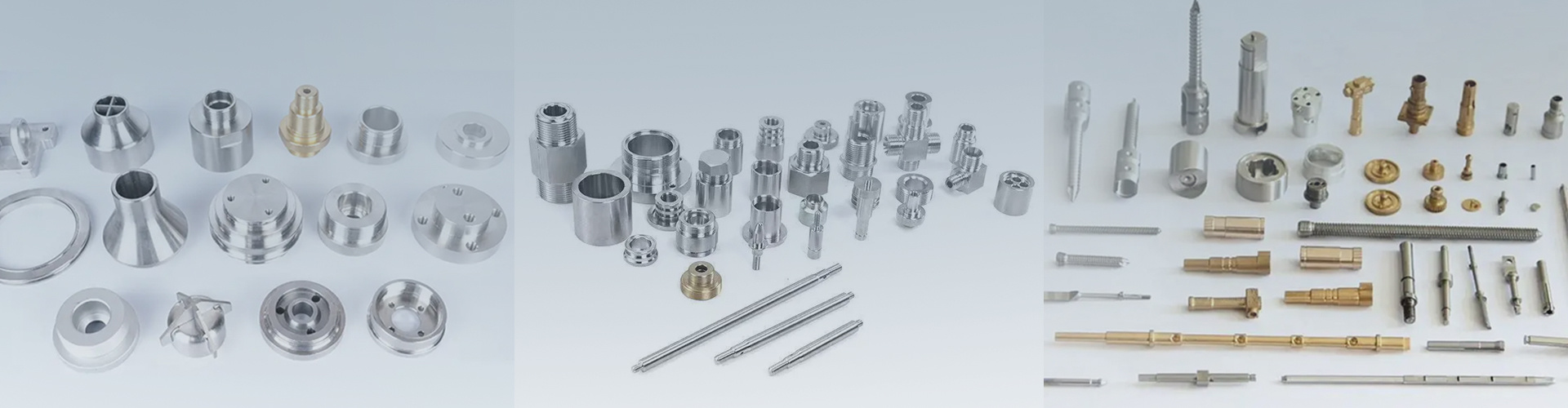
Cost-Effective Solutions for Aerospace Machined Parts Production
Published Time:
2026-02-07
Cost-Effective Solutions for Aerospace Machined Parts Production
The aerospace industry demands precision and excellence, particularly when it comes to machined parts. Striking a balance between performance and cost is crucial for manufacturers in this highly competitive market. This article presents a comprehensive overview of **cost-effective solutions for aerospace machined parts production**, focusing on advanced technologies, materials, and methods that optimize efficiency without compromising quality.
Understanding Aerospace Machining: An Overview
Aerospace machined parts are critical components in aircraft and spacecraft, serving functions that range from structural support to critical systems management. Given the industry's stringent safety standards, machining these parts requires advanced techniques and expertise. Understanding the processes involved in aerospace machining is vital for identifying cost-effective solutions.
The Role of Precision Machining in Aerospace
Precision machining is the process of creating parts with extremely tight tolerances and high-quality finishes. Aerospace components often require accuracies of ±0.005 inches or less. This level of precision ensures the reliability and safety of the aircraft. Advanced machining techniques, such as CNC (Computer Numerical Control) machining, have revolutionized the aerospace industry by improving both precision and efficiency.
Advantages of Precision Machining
1. **Enhanced Quality**: High precision leads to fewer defects and higher quality parts.
2. **Increased Efficiency**: Automation reduces production time and labor costs.
3. **Flexibility**: CNC machines can be programmed for various designs, making them suitable for small-batch production.
Innovative Manufacturing Technologies
To reduce costs while maintaining quality, manufacturers are increasingly adopting innovative technologies. These solutions not only streamline production but also enhance the capabilities of machining processes.
5-Axis Machining: A Game Changer
5-axis machining is an advanced machining technique that allows manufacturers to work on multiple sides of a part in a single setup. This eliminates the need for multiple setups and reduces lead time, significantly lowering production costs.
Benefits of 5-Axis Machining
- **Reduced Setup Time**: Fewer setups lead to quicker turnaround times.
- **Improved Accuracy**: Parts are less likely to shift, ensuring higher precision.
- **Complex Geometries**: Ability to produce intricate designs that traditional methods cannot achieve.
Automated Systems and Robotics
Integrating robotics into the machining process can enhance efficiency and reduce labor costs. Automated systems can perform repetitive tasks with high precision, freeing up skilled workers for more complex operations.
Key Advantages of Automation
1. **Consistency**: Robots deliver uniform results, minimizing human error.
2. **Increased Throughput**: Automation can operate continuously, boosting production rates.
3. **Cost Reduction**: Lower labor costs and reduced waste contribute to overall savings.
Material Selection for Cost-Effective Aerospace Parts
The choice of materials significantly impacts production costs and overall performance. Aerospace applications often require lightweight materials that possess high strength and durability.
Common Materials Used in Aerospace Machining
1. **Aluminum Alloys**: Lightweight and corrosion-resistant, aluminum is widely used in aircraft structures.
2. **Titanium Alloys**: Strong and heat-resistant, titanium is ideal for critical components but comes at a higher cost.
3. **Composite Materials**: Combining materials can reduce weight while maintaining strength, crucial for aerospace applications.
Cost-Effective Material Strategies
- **Material Optimization**: Choosing the right alloy can reduce costs without sacrificing performance.
- **Recycling and Reuse**: Implementing recycling processes can lower material costs and minimize waste.
Streamlining Production Processes
To achieve cost-effectiveness in aerospace machining, organizations must continuously evaluate and refine their production processes.
Lean Manufacturing Principles
Lean manufacturing focuses on minimizing waste while maximizing productivity. By adopting lean principles, aerospace manufacturers can improve efficiency and reduce costs.
Implementing Lean Strategies
1. **Value Stream Mapping**: Identifying and eliminating non-value-added activities in the production process.
2. **Just-in-Time Inventory**: Reducing inventory costs by producing parts only as needed.
3. **Continuous Improvement**: Regularly assessing and enhancing processes for optimal performance.
Quality Control and Assurance
Maintaining high quality is essential in aerospace machining. Implementing rigorous quality control measures can prevent costly defects and rework.
Effective Quality Assurance Techniques
- **Statistical Process Control (SPC)**: Using data to monitor and control production processes.
- **Regular Audits**: Conducting internal audits to ensure compliance with industry standards.
- **Employee Training**: Investing in staff training to uphold quality standards.
Cost Analysis and Budgeting for Aerospace Machining
Understanding the cost structure of aerospace machining is crucial for making informed decisions.
Components of Cost in Aerospace Machining
1. **Material Costs**: The expense related to raw materials used in production.
2. **Labor Costs**: Wages and benefits for employees involved in the machining process.
3. **Overhead Costs**: Indirect costs, such as equipment maintenance and facility expenses.
Strategies for Effective Cost Management
- **Budgeting Tools**: Utilizing software for precise budgeting and cost tracking.
- **Supplier Negotiations**: Establishing strong relationships with suppliers to secure better pricing.
- **Outsourcing Non-Core Activities**: Focusing on core competencies while outsourcing less critical tasks.
Future Trends in Aerospace Machining
As technology evolves, so too does the landscape of aerospace machining. Staying abreast of emerging trends is vital for maintaining a competitive edge.
Digital Manufacturing and Industry 4.0
The advent of Industry 4.0 is transforming manufacturing through data connectivity and automation. Digital manufacturing techniques offer new ways to enhance productivity and reduce costs.
Benefits of Digital Manufacturing
- **Real-Time Monitoring**: Enhancing operational visibility and decision-making.
- **Predictive Maintenance**: Utilizing data analytics to foresee equipment failures and reduce downtime.
- **Customization**: Enabling mass customization without significant cost increases.
FAQs About Cost-Effective Solutions for Aerospace Machined Parts Production
1. What are the primary challenges in aerospace machined parts production?
The main challenges include maintaining precision standards, managing production costs, and adhering to strict regulatory requirements.
2. How can automation reduce costs in aerospace machining?
Automation reduces labor costs and increases production speed, contributing to overall savings in the manufacturing process.
3. What materials are considered the most cost-effective for aerospace parts?
Aluminum alloys are widely regarded as cost-effective due to their lightweight properties and lower material costs.
4. How does implementing lean principles affect production costs?
Lean principles focus on eliminating waste and enhancing efficiency, leading to lower production costs and improved profitability.
5. What role does quality control play in aerospace machining?
Quality control is essential for ensuring the safety and reliability of aerospace components, preventing costly defects and rework.
Conclusion
In the demanding world of aerospace machining, cost-effective solutions are essential for success. By embracing advanced technologies, optimizing materials, and refining processes through lean methodologies, manufacturers can produce high-quality machined parts while keeping costs in check. The future of aerospace machining will undoubtedly be shaped by continuous innovation, sustainability, and an unwavering commitment to quality. As the industry evolves, staying informed and adaptable will be key to thriving in this highly competitive landscape.
NewsCenter
 2026-03-21

Beijing Pafinal Precision Machinery Co., Ltd.
Email:sales@pafinal.com

Address: No. 239 Huanhe South Road, Tianjin Pilot Free Trade Zone (Airport Economic Zone), Tianjin
中企跨境-全域组件
制作前进入CSS配置样式
sales@pafinal.com:
Whatsapp:
在线客服添加返回顶部
图片alt标题设置: PAFINAL
表单验证提示文本: Content cannot be empty!
循环体没有内容时: Sorry,no matching items were found.
CSS / JS 文件放置地