

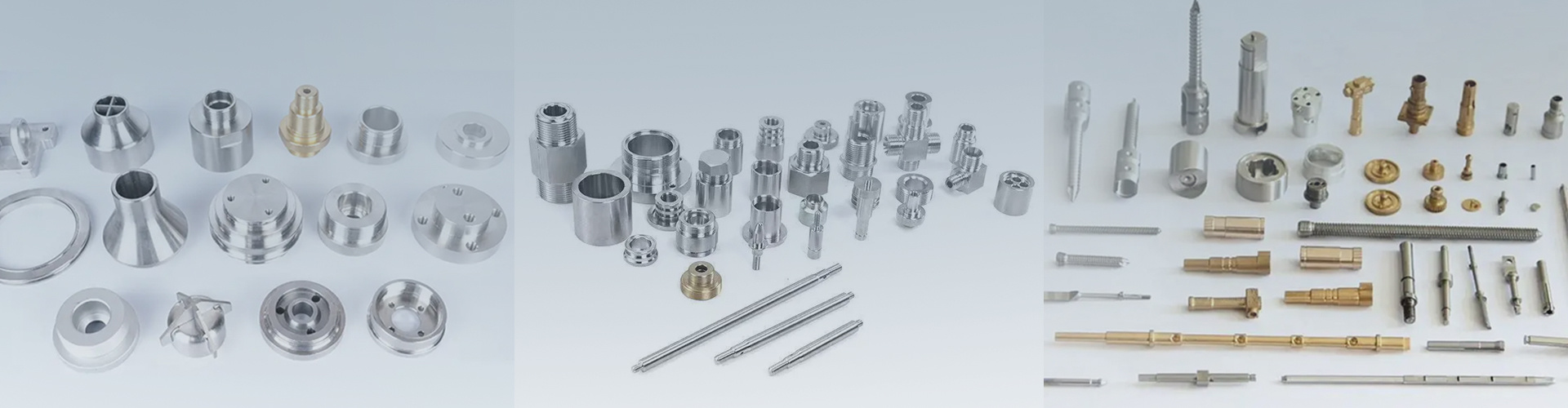
Innovative Materials Revolutionizing CNC Swiss Aluminum Machined Parts
Published Time:
2026-03-07
Innovative Materials: Enhancing CNC Swiss Aluminum Machined Parts
Introduction to CNC Swiss Machining and the Role of Materials
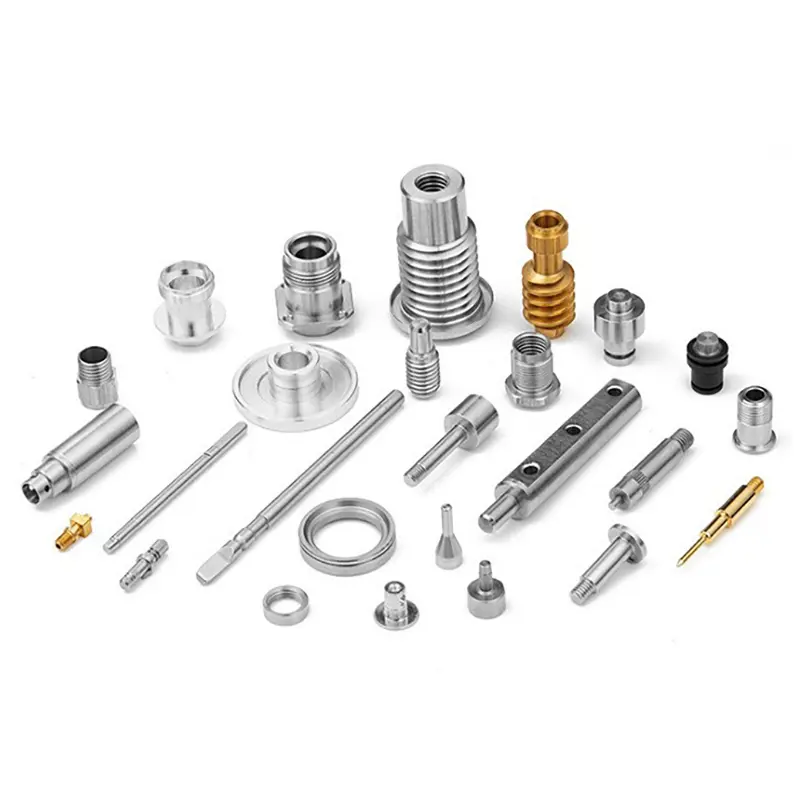
In the competitive landscape of manufacturing, **CNC Swiss machining** has emerged as a pivotal technology for producing high-precision aluminum parts. The integration of **innovative materials** into this process has become crucial for enhancing product quality, efficiency, and performance. As industries demand more from their components, the choice of materials directly influences the capabilities and characteristics of **CNC Swiss aluminum machined parts**.
In this article, we will delve into how novel materials are transforming CNC Swiss machining, the benefits they offer, and the future developments in this field.
Understanding CNC Swiss Machining
What is CNC Swiss Machining?
CNC Swiss machining is a process that utilizes computerized numerical control (CNC) technology to create precision parts. It is particularly noted for its ability to work with small-diameter components, making it ideal for industries such as aerospace, automotive, and medical device manufacturing.
Key Features of CNC Swiss Machining
- **Tight Tolerances:** Swiss machining achieves tolerances within ±0.001 inches, crucial for high-precision applications.
- **Efficiency:** The process allows for rapid production rates, often reaching up to 1000 parts per hour.
- **Versatility:** This method can accommodate a variety of materials, including metals and plastics.
Importance of Material Selection in CNC Swiss Machining
Material selection is foundational in CNC machining. The type of material impacts not just the performance of the final product but also the machining process itself. Different materials react differently under machining conditions, influencing aspects such as tool wear, cutting speed, and thermal stability.
Innovative Materials in CNC Swiss Aluminum Machining
Lightweight Alloys: The Future of Aluminum Machining
Aluminum alloys, known for their lightweight and high strength-to-weight ratio, are frequently employed in **CNC Swiss machining**. Recent innovations have introduced **high-strength aluminum alloys**, such as 7075 and 6061, which provide improved mechanical properties and corrosion resistance.
These alloys are particularly beneficial for industries that prioritize durability without adding excess weight. For example, in the aerospace sector, the use of 7075 aluminum can lead to significant weight reductions while maintaining structural integrity.
Composite Materials: Blending Strength with Lightweight Design
The integration of composite materials into CNC Swiss machining is gaining momentum. Composites combine various materials, such as aluminum and carbon fiber, to enhance performance characteristics.
These composites can be tailored to provide significant improvements in strength, stiffness, and fatigue resistance. Moreover, using a composite layer in conjunction with machined aluminum can lead to components that are not only lighter but also more versatile in their application.
Advanced Coatings: Enhancing Machined Part Performance
Another area where innovation is evident is in the development of advanced coatings. Utilizing coatings like **TiN (Titanium Nitride)** and **CrN (Chromium Nitride)** on machined parts can significantly improve wear resistance and reduce friction during machining operations.
These coatings not only prolong the life of the tools but also enhance the surface finish of the final products, making them ideal for applications where aesthetics and functionality are paramount.
Benefits of Innovative Materials in CNC Swiss Machining
Improved Mechanical Properties
The advent of innovative materials offers improved mechanical properties, including enhanced strength, rigidity, and fatigue resistance. This enhancement directly translates to the reliability of machined components in demanding environments.
Cost Efficiency
Although advanced materials may come with a higher initial cost, their durability and longevity can lead to significant cost savings over time. Fewer replacements and repairs mean lower overall operational costs.
Enhanced Performance
Innovative materials contribute to superior performance in terms of thermal stability and corrosion resistance. This is particularly vital in industries such as medical devices, where the durability of components directly impacts patient safety and product efficacy.
The Future of CNC Swiss Aluminum Machined Parts
Emerging Trends in Material Science
As technology progresses, we can expect continued advancements in material science. The exploration of **biomaterials** and **smart materials** that respond to environmental changes could revolutionize how components are designed and manufactured.
Industry 4.0 and Smart Manufacturing
The integration of **Industry 4.0** principles into CNC machining promises to streamline manufacturing processes through automation and real-time data analytics. Innovative materials will play a critical role in this transformation, allowing for more adaptive and responsive production lines.
Challenges in Implementing Innovative Materials
Cost and Availability
While innovative materials offer numerous benefits, their cost and availability can pose challenges for manufacturers. Companies need to carefully assess their supply chains to ensure they can access these materials without incurring excessive costs.
Machining Complexity
Certain innovative materials may present unique challenges during the machining process. For instance, materials with extreme hardness may require specialized tools and techniques, complicating the manufacturing process.
Frequently Asked Questions (FAQs)
1. What are CNC Swiss aluminum machined parts used for?
CNC Swiss aluminum machined parts are utilized across various industries, including aerospace, automotive, and medical devices, due to their precision and lightweight characteristics.
2. How do innovative materials enhance the performance of machined parts?
Innovative materials enhance performance by providing improved strength, durability, and resistance to wear and corrosion, leading to longer-lasting components.
3. Are there any downsides to using advanced materials in machining?
While advanced materials can offer enhanced properties, they may also be more expensive and may complicate the machining process, requiring specialized tools.
4. What is the future of materials in CNC machining?
The future of materials in CNC machining likely includes the integration of smart materials and biomaterials that can adapt to their environments, leading to more innovative applications.
5. How do coatings improve the performance of CNC machined parts?
Coatings enhance performance by providing additional wear resistance, reducing friction, and improving surface finishes, which can extend the lifespan of tools and parts.
Conclusion
As we continue to explore the innovative materials that are reshaping CNC Swiss aluminum machining, it is clear that these advancements are not merely trends but pivotal developments in the manufacturing landscape. By understanding the benefits and challenges associated with these materials, businesses can strategically position themselves for the future. The interplay between material science and CNC machining technology will undoubtedly lead to enhanced performance, efficiency, and sustainability in the production of precision parts. As the industry evolves, embracing these innovations will be essential for maintaining a competitive edge.
 2026-04-18


Beijing Pafinal Precision Machinery Co., Ltd.
Email:sales@pafinal.com

Address: No. 239 Huanhe South Road, Tianjin Pilot Free Trade Zone (Airport Economic Zone), Tianjin
sales@pafinal.com:
Whatsapp:
在线客服添加返回顶部
图片alt标题设置: PAFINAL
表单验证提示文本: Content cannot be empty!
循环体没有内容时: Sorry,no matching items were found.
CSS / JS 文件放置地