

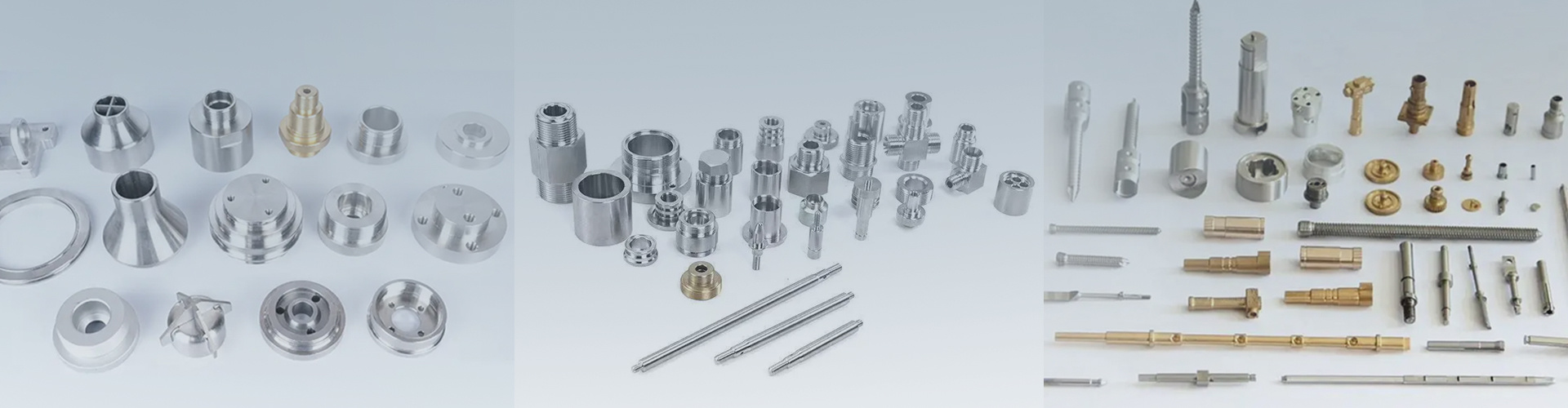
Understanding Machined Parts: Essential Insights for Precision Manufacturing
Published Time:
2026-04-11
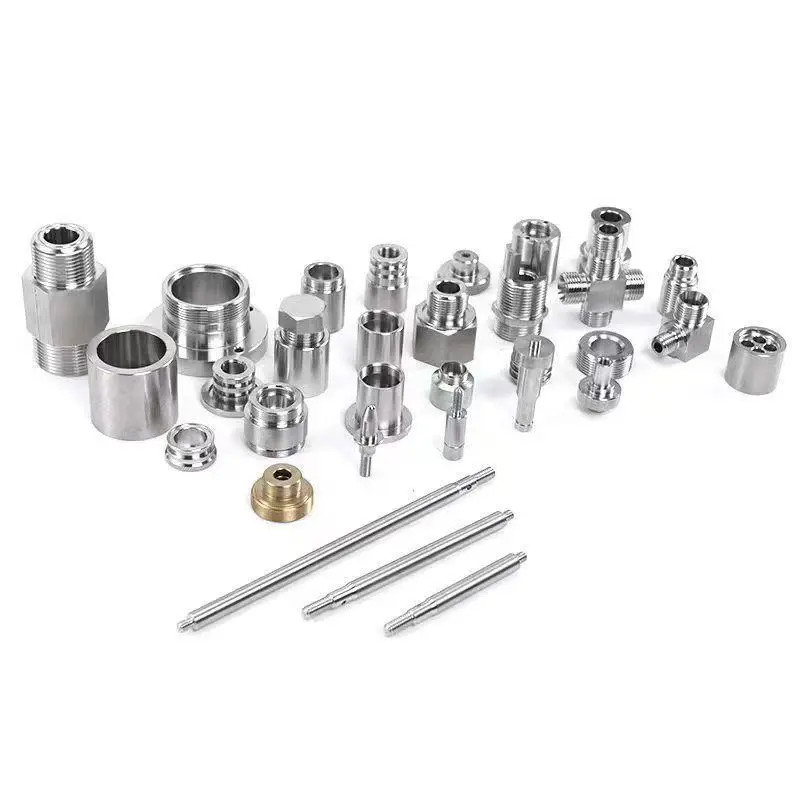
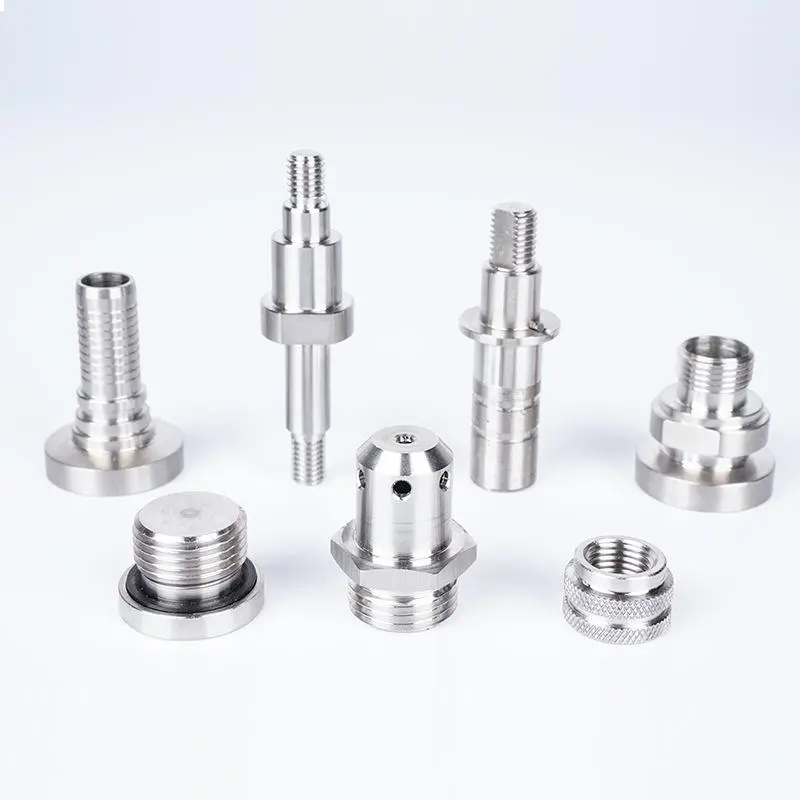
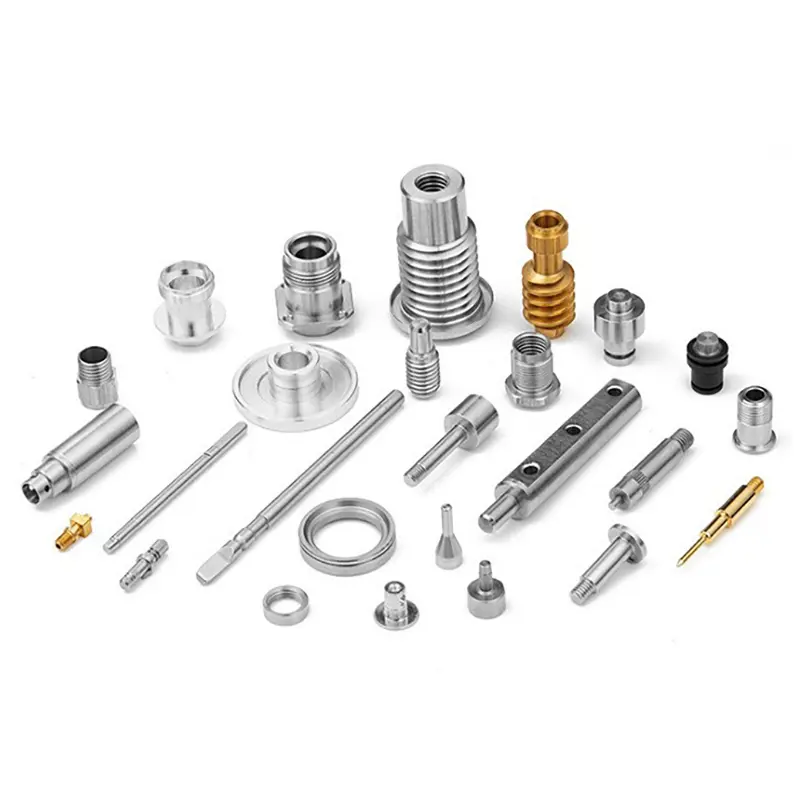
In the field of manufacturing, machined parts play a crucial role in producing high-quality, precision-engineered components. These parts are typically created through a variety of machining processes, including turning, milling, drilling, and grinding. Each technique is designed to shape raw materials into finished products with exact specifications, ensuring optimal performance in their intended applications.
One of the primary advantages of machined parts is their ability to achieve tight tolerances and intricate designs. This level of precision is essential in industries such as aerospace, automotive, and medical device manufacturing, where even minor deviations can lead to significant failures or safety hazards. By utilizing advanced machining techniques, manufacturers can create components that meet stringent quality standards, enhancing the reliability and functionality of the final product.
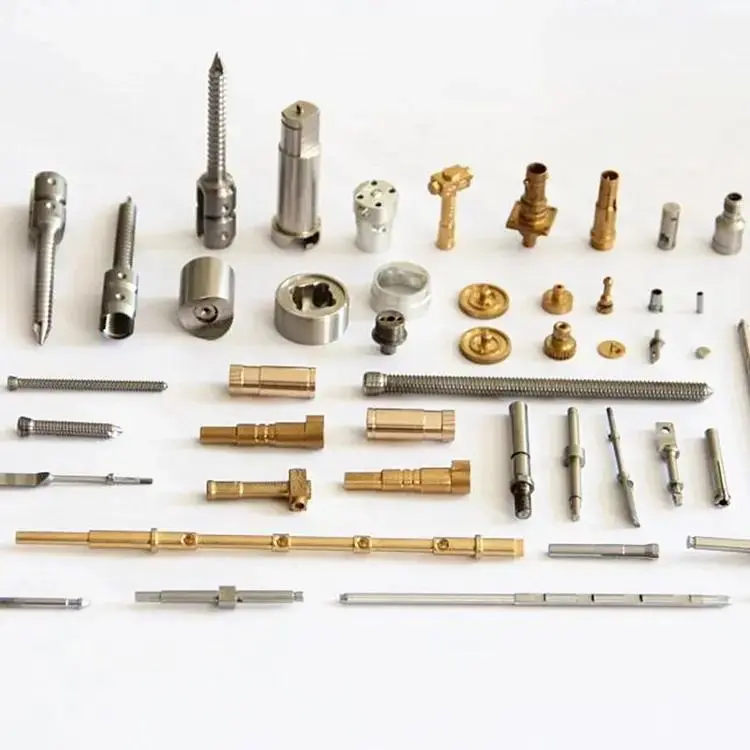
The choice of material for machined parts is another critical factor in the manufacturing process. Common materials include metals like aluminum, steel, and titanium, as well as plastics and composites. Each material offers unique properties that can impact the performance, weight, and durability of the machined components. For instance, aluminum is often favored for its lightweight characteristics, while steel is chosen for its strength and durability. Understanding the material properties is essential for selecting the right option for specific applications, ensuring optimal performance and longevity.
Moreover, the efficiency of the machining process itself can significantly affect production timelines and costs. Employing the latest CNC (Computer Numerical Control) technology allows for automation and improved precision, reducing human error and increasing throughput. Manufacturers who invest in modern machining equipment and techniques can streamline their operations, resulting in faster turnaround times and greater competitiveness in the marketplace.
Beyond production efficiency, the maintenance and quality control of machined parts are paramount. Regular inspection and testing, including dimensional checks and surface finish evaluations, help identify any defects early in the manufacturing process. This proactive approach not only ensures the quality of the machined parts but also minimizes waste and rework, further enhancing overall productivity.
In summary, machined parts are integral to the precision manufacturing landscape. Their ability to meet exact specifications, combined with the right choice of materials and advanced machining processes, makes them indispensable across various industries. By focusing on quality, efficiency, and innovation, manufacturers can leverage the advantages of machined parts to drive success and create superior products that meet the demands of an evolving market.
One of the primary advantages of machined parts is their ability to achieve tight tolerances and intricate designs. This level of precision is essential in industries such as aerospace, automotive, and medical device manufacturing, where even minor deviations can lead to significant failures or safety hazards. By utilizing advanced machining techniques, manufacturers can create components that meet stringent quality standards, enhancing the reliability and functionality of the final product.
The choice of material for machined parts is another critical factor in the manufacturing process. Common materials include metals like aluminum, steel, and titanium, as well as plastics and composites. Each material offers unique properties that can impact the performance, weight, and durability of the machined components. For instance, aluminum is often favored for its lightweight characteristics, while steel is chosen for its strength and durability. Understanding the material properties is essential for selecting the right option for specific applications, ensuring optimal performance and longevity.
Moreover, the efficiency of the machining process itself can significantly affect production timelines and costs. Employing the latest CNC (Computer Numerical Control) technology allows for automation and improved precision, reducing human error and increasing throughput. Manufacturers who invest in modern machining equipment and techniques can streamline their operations, resulting in faster turnaround times and greater competitiveness in the marketplace.
Beyond production efficiency, the maintenance and quality control of machined parts are paramount. Regular inspection and testing, including dimensional checks and surface finish evaluations, help identify any defects early in the manufacturing process. This proactive approach not only ensures the quality of the machined parts but also minimizes waste and rework, further enhancing overall productivity.
In summary, machined parts are integral to the precision manufacturing landscape. Their ability to meet exact specifications, combined with the right choice of materials and advanced machining processes, makes them indispensable across various industries. By focusing on quality, efficiency, and innovation, manufacturers can leverage the advantages of machined parts to drive success and create superior products that meet the demands of an evolving market.
NewsCenter
 2026-07-04
Beijing Pafinal Precision Machinery Co., Ltd.
Email:sales@pafinal.com

Address: No. 239 Huanhe South Road, Tianjin Pilot Free Trade Zone (Airport Economic Zone), Tianjin
中企跨境-全域组件
制作前进入CSS配置样式
sales@pafinal.com:
Whatsapp:
在线客服添加返回顶部
图片alt标题设置: PAFINAL
表单验证提示文本: Content cannot be empty!
循环体没有内容时: Sorry,no matching items were found.
CSS / JS 文件放置地