

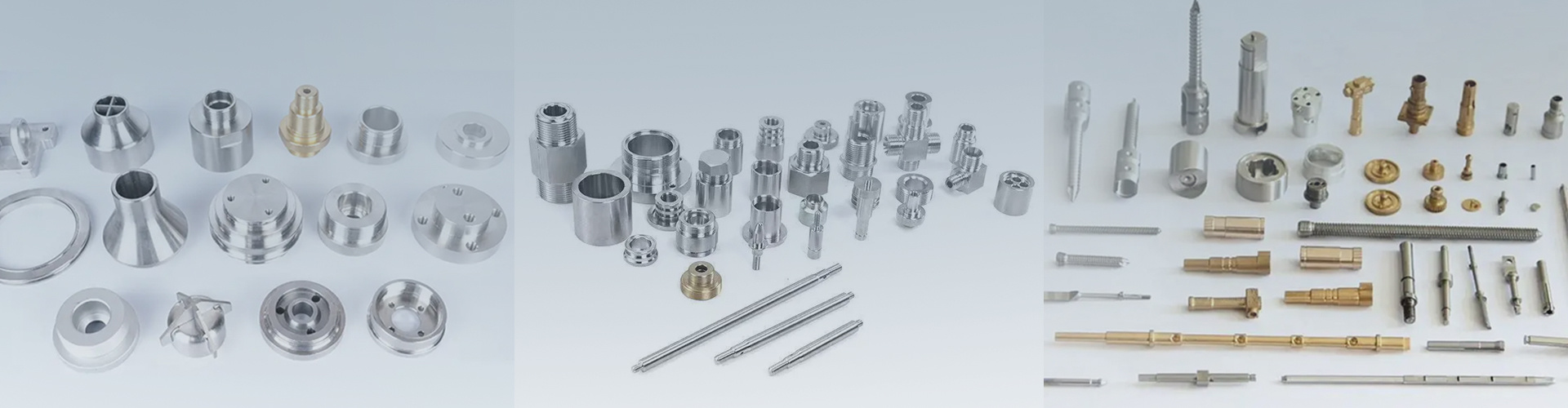
Common Challenges in Aerospace Machined Parts Manufacturing and How to Overcome Them
Published Time:
2026-04-04
Common Challenges in Aerospace Machined Parts Manufacturing and How to Overcome Them
Table of Contents
- 1. Introduction
- 2. Understanding Aerospace Machined Parts Manufacturing
- 3. Key Challenges in Aerospace Machined Parts Manufacturing
- 3.1 Material Compatibility Issues
- 3.2 Precision Requirements and Tolerances
- 3.3 Cost Constraints
- 3.4 Technological Evolution
- 3.5 Regulatory Compliance
- 4. Strategies to Overcome Challenges in Aerospace Manufacturing
- 4.1 Selecting the Right Materials
- 4.2 Investing in Advanced Technologies
- 4.3 Optimizing Production Processes
- 4.4 Training and Skills Development
- 4.5 Ensuring Regulatory Compliance
- 5. Case Studies: Success Stories in Aerospace Machined Parts Manufacturing
- 6. Future Prospects in Aerospace Manufacturing
- 7. Conclusion
- 8. FAQs
1. Introduction
Aerospace manufacturing is a highly specialized sector characterized by the production of precision-engineered components essential for aircraft and spacecraft. As the demand for advanced aerospace technologies rises, manufacturers face a myriad of challenges in the production of machined parts. This article aims to identify common obstacles and propose actionable solutions to enhance manufacturing efficiency and product quality.
2. Understanding Aerospace Machined Parts Manufacturing
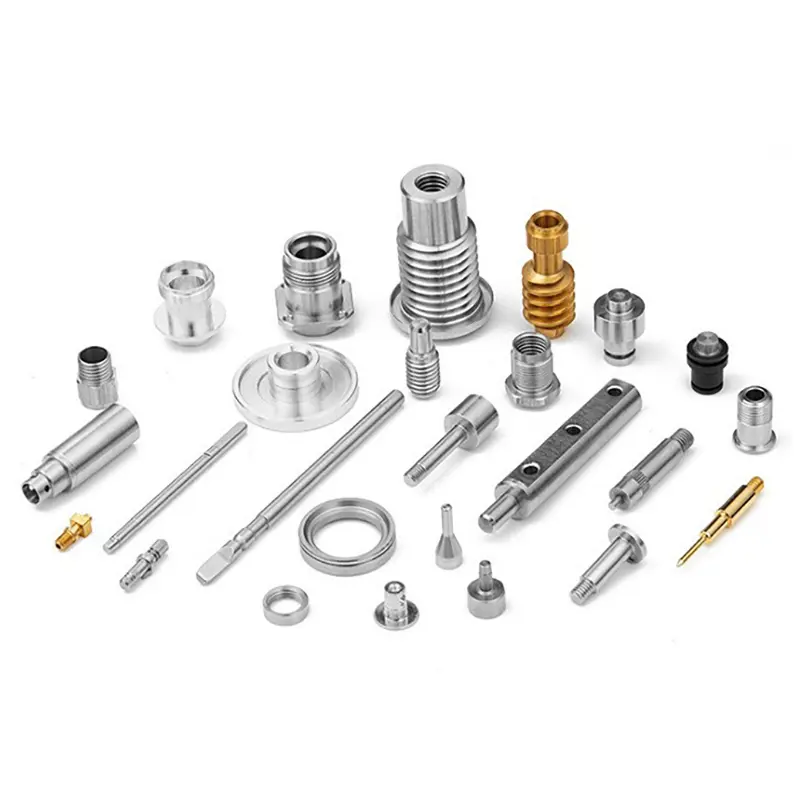
The aerospace industry necessitates strict adherence to quality and safety standards, making the manufacturing of machined parts particularly complex. These parts often include engine components, fuselage structures, and landing gear, all requiring precise specifications and performance metrics.
To ensure successful aviation operations, manufacturers must navigate various factors, including material selection, design complexity, and production techniques. Understanding the nuances of aerospace machining is essential for overcoming prevalent challenges.
3. Key Challenges in Aerospace Machined Parts Manufacturing
While the aerospace sector offers lucrative opportunities, it is not without its challenges. Here are some of the most pressing issues faced by manufacturers today:
3.1 Material Compatibility Issues
Selecting the right materials for aerospace applications is critical, as they must withstand extreme conditions, including high temperatures and pressures. However, the vast array of materials available, including titanium, aluminum alloys, and composite materials, can complicate the decision-making process. Incompatibilities can lead to failures in performance and durability, making thorough material testing essential.
3.2 Precision Requirements and Tolerances
The aerospace industry demands unparalleled precision. Parts must be manufactured to exact specifications, with tolerances as tight as a few microns. This level of precision requires advanced machining technologies and highly skilled labor. Any deviation from specifications can result in costly delays, safety hazards, and potential regulatory penalties.
3.3 Cost Constraints
Aerospace manufacturing is capital-intensive, with significant investments needed for equipment, technology, and skilled workforce. Balancing cost-efficiency with quality standards can pose a significant challenge. Manufacturers must find innovative ways to reduce production costs without compromising on quality or safety.
3.4 Technological Evolution
The rapid evolution of technologies, such as additive manufacturing and automation, presents both opportunities and challenges. While advanced technologies can enhance efficiency and reduce production times, they also require significant investment and adaptation. Keeping pace with technological changes is vital to remaining competitive in the aerospace sector.
3.5 Regulatory Compliance
Compliance with stringent regulatory standards is a hallmark of the aerospace industry. Manufacturers must adhere to guidelines set by organizations such as the Federal Aviation Administration (FAA) and the European Union Aviation Safety Agency (EASA). Navigating the complex landscape of regulatory requirements can be daunting and necessitates extensive documentation and quality assurance processes.
4. Strategies to Overcome Challenges in Aerospace Manufacturing
To successfully address the challenges of aerospace machined parts manufacturing, we can adopt several strategies aimed at enhancing productivity, quality, and compliance.
4.1 Selecting the Right Materials
Conducting thorough research and testing can help manufacturers select the most suitable materials for their applications. Collaborating with material scientists and utilizing advanced simulation software will aid in predicting material performance under varied conditions, thus ensuring the longevity and reliability of machined parts.
4.2 Investing in Advanced Technologies
Investing in state-of-the-art machining technologies, such as Computer Numerical Control (CNC) machines and additive manufacturing, can improve precision and efficiency. Additionally, incorporating automation and robotics can streamline production processes, reduce human error, and minimize labor costs.
4.3 Optimizing Production Processes
Implementing Lean Manufacturing principles can eliminate waste and optimize production processes. Techniques such as Just-In-Time (JIT) manufacturing can ensure that materials and components arrive precisely when needed, reducing inventory costs and enhancing workflow.
4.4 Training and Skills Development
Investing in the ongoing training and development of personnel is essential. Upskilling employees in the latest machining technologies and quality control techniques can enhance operational efficiency and minimize errors. Encouraging a culture of continuous learning and adaptation will keep the workforce aligned with industry advancements.
4.5 Ensuring Regulatory Compliance
Establishing a robust quality management system (QMS) can help ensure compliance with regulatory requirements. Regular audits and assessments of processes and products will identify areas of improvement and guarantee adherence to industry standards.
5. Case Studies: Success Stories in Aerospace Machined Parts Manufacturing
Examining successful implementations within the aerospace sector can provide valuable insights. For instance, a leading aerospace manufacturer adopted advanced robotics and automation in its assembly line, resulting in a 30% reduction in production time without sacrificing quality. Such case studies highlight the tangible benefits of integrating innovative practices into manufacturing processes.
6. Future Prospects in Aerospace Manufacturing
The future of aerospace manufacturing is poised for growth, fueled by advancements in materials science, automation, and digital manufacturing. Emerging technologies, such as artificial intelligence and machine learning, are expected to play a pivotal role in predictive maintenance and smart manufacturing solutions.
As the industry evolves, staying ahead of the curve will require manufacturers to remain agile, adaptive, and open to technological innovations.
7. Conclusion
Navigating the complex landscape of aerospace machined parts manufacturing presents numerous challenges that can hinder productivity and quality. However, through strategic investments in technology, focused material selection, and a commitment to continuous improvement, manufacturers can overcome these obstacles. By implementing best practices and fostering a culture of innovation, the aerospace industry can ensure a prosperous and sustainable future.
8. FAQs
1. What are the most common materials used in aerospace manufacturing?
Aerospace manufacturers commonly use materials such as titanium, aluminum alloys, and composite materials due to their strength-to-weight ratio and durability.
2. How does precision affect aerospace machined parts?
Precision is critical in aerospace manufacturing as any deviation can lead to catastrophic failures, safety hazards, and regulatory penalties.
3. What are the key regulatory bodies in aerospace manufacturing?
Key regulatory bodies include the Federal Aviation Administration (FAA) and the European Union Aviation Safety Agency (EASA).
4. How can manufacturers reduce costs while maintaining quality?
Manufacturers can implement Lean Manufacturing techniques, optimize production processes, and invest in automation to achieve cost savings without compromising quality.
5. What role does technology play in aerospace manufacturing?
Technology enhances precision, efficiency, and safety in aerospace manufacturing, with innovations such as CNC machining and additive manufacturing playing a significant role in production processes.
NewsCenter
 2026-07-04
Beijing Pafinal Precision Machinery Co., Ltd.
Email:sales@pafinal.com

Address: No. 239 Huanhe South Road, Tianjin Pilot Free Trade Zone (Airport Economic Zone), Tianjin
中企跨境-全域组件
制作前进入CSS配置样式
sales@pafinal.com:
Whatsapp:
在线客服添加返回顶部
图片alt标题设置: PAFINAL
表单验证提示文本: Content cannot be empty!
循环体没有内容时: Sorry,no matching items were found.
CSS / JS 文件放置地