

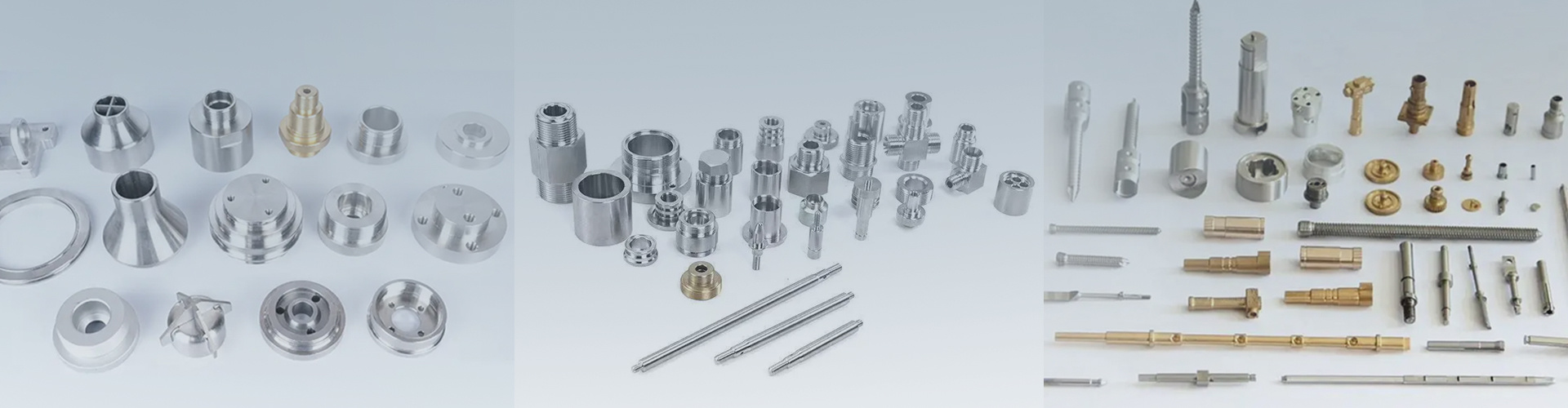
Optimizing Your Supply Chain with High-Quality CNC Machining Parts
Published Time:
2026-03-21
Optimizing Your Supply Chain with High-Quality CNC Machining Parts
Table of Contents
1. Understanding CNC Machining Parts in Supply Chain Management
2. The Importance of High-Quality Components
3. Key Benefits of CNC Machining for Supply Chain Optimization
3.1 Enhanced Precision and Accuracy
3.2 Reduced Lead Times and Increased Efficiency
3.3 Cost Reduction Through Material Optimization
4. How to Choose the Right CNC Machining Supplier
4.1 Evaluating Supplier Capabilities
4.2 Importance of Quality Certifications
4.3 Assessing Customer Support and Service
5. Integrating CNC Machining into Your Existing Supply Chain
5.1 Streamlining Production Processes
5.2 Adopting Lean Manufacturing Principles
5.3 Utilizing Technology for Better Coordination
6. Future Trends in CNC Machining and Supply Chain
7. FAQs about CNC Machining and Supply Chain Optimization
8. Conclusion
1. Understanding CNC Machining Parts in Supply Chain Management
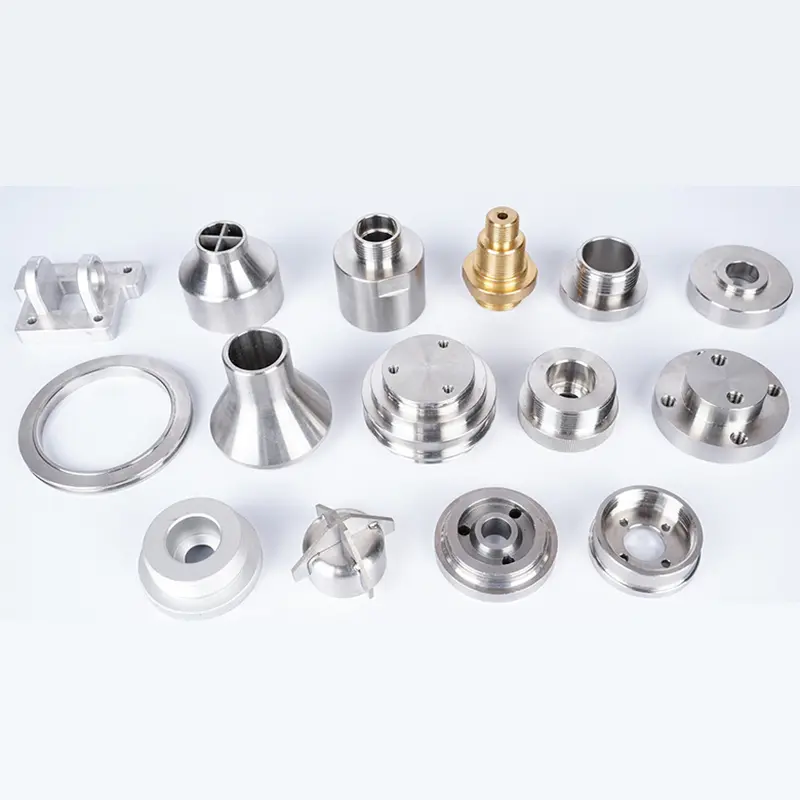
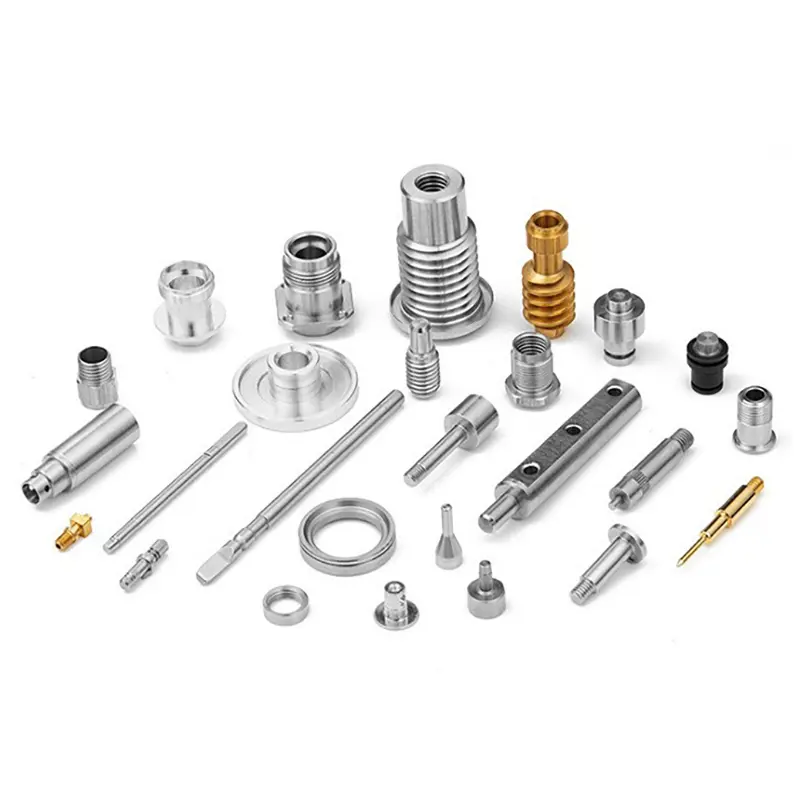
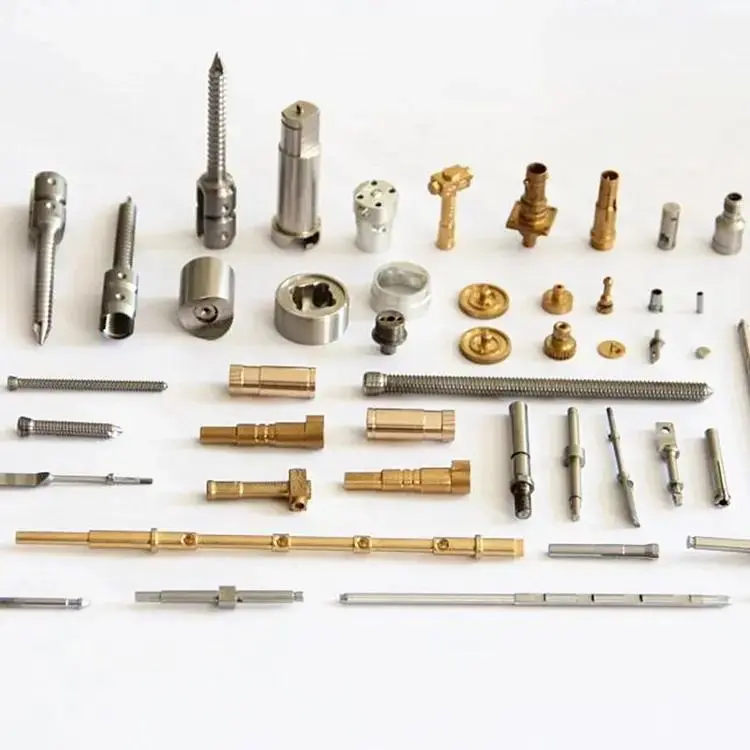
CNC (Computer Numerical Control) machining is a pivotal process in manufacturing that uses computer-controlled tools to create precise parts. In today's competitive landscape, **optimizing your supply chain** with high-quality CNC machining parts is essential for delivering products that meet customer expectations. This article explores how integrating these components can enhance efficiency, reduce costs, and ensure consistent product quality.
2. The Importance of High-Quality Components
The quality of the components used in your supply chain directly impacts the overall performance of your products. High-quality CNC machining parts not only improve the reliability of your products but also reduce the likelihood of defects and returns. Investing in superior materials and precision manufacturing processes leads to **greater customer satisfaction** and loyalty, which is critical for long-term success.
3. Key Benefits of CNC Machining for Supply Chain Optimization
CNC machining offers several advantages that can significantly improve your supply chain operations:
3.1 Enhanced Precision and Accuracy
One of the foremost benefits of CNC machining is the **precision it offers**. Unlike traditional machining methods, CNC machines can produce parts with extremely tight tolerances. This level of accuracy ensures that components fit together perfectly, reducing assembly time and enhancing product reliability.
3.2 Reduced Lead Times and Increased Efficiency
CNC machining can dramatically shorten lead times. Automated processes allow for faster production cycles, enabling businesses to respond quickly to market demand. This agility is crucial in today's fast-paced environment, where delays can lead to lost sales and opportunities.
3.3 Cost Reduction Through Material Optimization
Using CNC machining can lead to significant cost savings. The technology allows for **efficient material usage**, minimizing waste and reducing overall production costs. High-quality CNC parts often require less finishing work, further cutting labor costs and saving time.
4. How to Choose the Right CNC Machining Supplier
Selecting an appropriate CNC machining supplier is a crucial step in optimizing your supply chain. Here are key factors to consider:
4.1 Evaluating Supplier Capabilities
Assess the supplier’s capabilities to ensure they can meet your specific needs. Consider their equipment, technology, and capacity to handle both small and large production runs. A capable supplier will also be able to produce complex geometries and provide rapid prototyping services.
4.2 Importance of Quality Certifications
Look for suppliers that have quality certifications such as ISO 9001. These certifications demonstrate a commitment to quality management systems and adherence to international standards. Choosing a certified supplier can give you confidence in their ability to deliver high-quality parts consistently.
4.3 Assessing Customer Support and Service
Strong customer service is essential for a successful partnership. Evaluate the supplier's responsiveness, flexibility, and willingness to collaborate. A supplier that listens to your needs and provides support can help resolve issues quickly and maintain a smooth workflow.
5. Integrating CNC Machining into Your Existing Supply Chain
Effectively integrating CNC machining into your supply chain can streamline operations and improve overall efficiency. Here are some strategies to consider:
5.1 Streamlining Production Processes
Examine your current production processes and identify areas where CNC machining can replace less efficient methods. Implementing CNC technology can help automate repetitive tasks, freeing up time for skilled labor to focus on more complex operations.
5.2 Adopting Lean Manufacturing Principles
Incorporating lean manufacturing principles can enhance the benefits of CNC machining. Focus on minimizing waste, optimizing flow, and maximizing value. By aligning your CNC machining processes with lean methodologies, you can achieve a more efficient production environment.
5.3 Utilizing Technology for Better Coordination
Leverage technology such as ERP (Enterprise Resource Planning) systems to improve coordination between CNC machining and other supply chain elements. Real-time data sharing can enhance communication and allow for better decision-making throughout the supply chain.
6. Future Trends in CNC Machining and Supply Chain
As technology continues to evolve, the CNC machining landscape is changing. Some notable trends include:
1. **Increased Automation**: More manufacturers are adopting automation technologies, leading to reduced labor costs and improved efficiency.
2. **Advanced Materials**: The development of new materials, such as composites and advanced alloys, expands the capabilities of CNC machining.
3. **Sustainability**: There is a growing emphasis on sustainable practices in manufacturing, including reducing waste and improving energy efficiency.
7. FAQs about CNC Machining and Supply Chain Optimization
**Q1: What is CNC machining?**
CNC machining is a manufacturing process that uses computer-controlled tools to create precise parts from various materials.
**Q2: How does CNC machining optimize the supply chain?**
CNC machining enhances precision, reduces lead times, and minimizes waste, all of which contribute to a more efficient supply chain.
**Q3: What should I look for in a CNC machining supplier?**
Key factors include manufacturing capabilities, quality certifications, and the level of customer support provided.
**Q4: Can CNC machining produce complex parts?**
Yes, CNC machining is capable of producing intricate geometries and complex designs with high precision.
**Q5: What are the cost benefits of CNC machining?**
CNC machining reduces material waste and labor costs, resulting in overall savings in production expenses.
8. Conclusion
Optimizing your supply chain with high-quality CNC machining parts is not just a smart strategy; it is essential in today's competitive manufacturing landscape. By understanding the benefits and effectively integrating CNC machining into your processes, you can enhance efficiency, reduce costs, and improve product quality. Finding the right supplier and adopting best practices will ensure that your supply chain remains agile and responsive, ultimately leading to sustained business success.
NewsCenter
 2026-05-02

Beijing Pafinal Precision Machinery Co., Ltd.
Email:sales@pafinal.com

Address: No. 239 Huanhe South Road, Tianjin Pilot Free Trade Zone (Airport Economic Zone), Tianjin
中企跨境-全域组件
制作前进入CSS配置样式
sales@pafinal.com:
Whatsapp:
在线客服添加返回顶部
图片alt标题设置: PAFINAL
表单验证提示文本: Content cannot be empty!
循环体没有内容时: Sorry,no matching items were found.
CSS / JS 文件放置地