

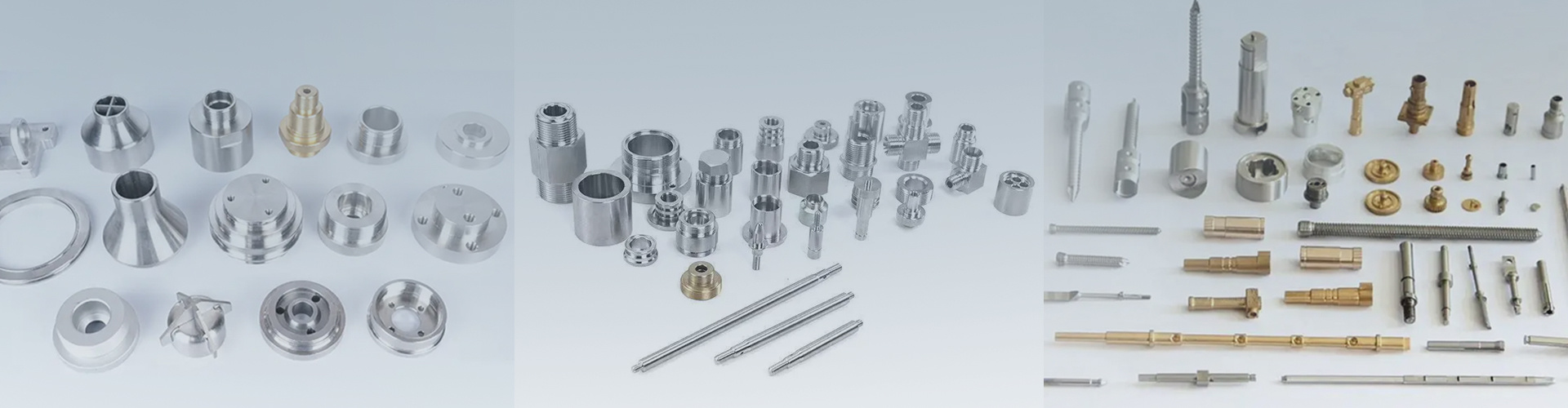
CNC Swiss Machining Techniques for Complex Aluminum Part Designs
Published Time:
2026-05-02
CNC Swiss Machining Techniques for Complex Aluminum Part Designs
Introduction to CNC Swiss Machining
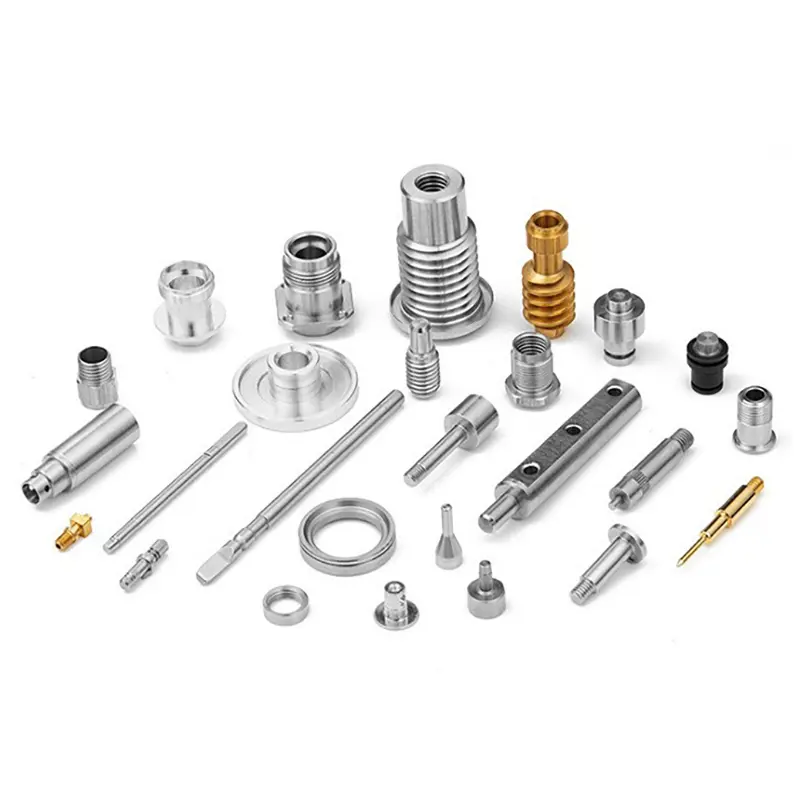
CNC Swiss machining is revolutionizing the manufacturing landscape, particularly in the production of complex aluminum parts. This highly precise technique uses computer numerical control to enhance the accuracy and efficiency of machining processes. By employing advanced tooling and automated systems, CNC Swiss machines can create intricate geometries with exceptional surface finishes.
In this article, we will explore the various CNC Swiss machining techniques specifically designed for complex aluminum part designs. We will discuss the benefits of these techniques, the intricacies of the machining process, and best practices for optimizing production.
Table of Contents
- What is CNC Swiss Machining?
- Benefits of CNC Swiss Machining for Aluminum Parts
- Understanding the CNC Swiss Machining Process
- Key Techniques in CNC Swiss Machining
- Materials Suitable for CNC Swiss Machining
- Best Practices for Optimizing CNC Swiss Machining
- The Future of CNC Swiss Machining
- FAQs about CNC Swiss Machining
What is CNC Swiss Machining?
CNC Swiss machining is a specialized form of machining that is particularly effective for producing small, high-precision parts. Originating from the Swiss watch-making industry, this machining technique utilizes a sliding headstock to bring the workpiece closer to the cutting tool, allowing for superior accuracy and reduced cycle times.
In CNC Swiss machining, the workpiece rotates while the cutting tool moves in a linear fashion, which is ideal for manufacturing parts with complex shapes and tight tolerances. This method is especially suitable for creating intricate aluminum components, as it enables manufacturers to achieve outstanding results with minimal waste.
Benefits of CNC Swiss Machining for Aluminum Parts
CNC Swiss machining offers several advantages for the manufacturing of complex aluminum parts, including:
Precision and Accuracy
CNC Swiss machines are engineered for precision, allowing manufacturers to produce parts with tolerances of up to ±0.001 inches. This level of accuracy is critical in industries such as aerospace and medical devices, where even the slightest deviation can lead to significant issues.
Efficiency and Speed
The automated nature of CNC Swiss machining reduces the time required for setup and production. The use of multi-axis machines allows for simultaneous machining of multiple features, drastically cutting down production times while maintaining high-quality outcomes.
Versatility in Design
CNC Swiss machining supports a wide range of designs, from simple to highly complex geometries. This versatility makes it an excellent choice for manufacturers looking to create unique and innovative aluminum parts.
Cost-Effectiveness
While the initial investment for CNC Swiss machines can be considerable, the long-term savings in labor and material waste make them a cost-effective solution for many manufacturers.
Understanding the CNC Swiss Machining Process
The CNC Swiss machining process involves several key stages, each critical to producing high-quality aluminum parts.
1. Design and Programming
The journey begins with a detailed design, often created using CAD software. This design is then translated into a program that the CNC Swiss machine can interpret. The programming phase is crucial, as it dictates the machine's movements, speeds, and cutting parameters.
2. Material Selection
Selecting the right aluminum alloy is vital for achieving the desired mechanical properties and surface finish. Popular choices include 6061 and 7075 aluminum, which offer excellent strength-to-weight ratios.
3. Setup and Fixturing
Once the program is in place, the machine is set up with the appropriate tooling and fixtures. This step ensures that the workpiece is securely held in place during machining, minimizing the risk of movement or vibration.
4. Machining Operations
During machining, the workpiece rotates while the cutting tool engages in various operations such as turning, milling, and drilling. Advanced CNC Swiss machines can perform multiple operations simultaneously, greatly enhancing efficiency.
5. Quality Control
Quality control is a continuous process throughout machining. Inspecting parts for dimensional accuracy and surface finish is crucial to ensure that they meet the specified tolerances.
Key Techniques in CNC Swiss Machining
To maximize the potential of CNC Swiss machining for complex aluminum part designs, several key techniques should be employed:
1. Multi-Axis Machining
Utilizing multi-axis capabilities allows for greater flexibility in machining complex features without needing to reposition the workpiece. This technique reduces setup times and increases overall precision.
2. Live Tooling
Live tooling involves the use of rotating tools that can perform milling operations while the workpiece is still being turned. This capability enhances the efficiency of the machining process and allows for more intricate designs.
3. Threading Capability
CNC Swiss machines can produce threaded parts with high accuracy. By integrating threading operations into the machining process, manufacturers can create complex components without the need for secondary operations.
4. Fine Boring and Reaming
Fine boring and reaming techniques improve the dimensional accuracy and surface finish of holes and bores. This is particularly useful for parts that require precise fitment in assembly applications.
5. Automated Tool Changes
Automated tool changes enable the CNC Swiss machine to switch between different cutting tools without manual intervention. This feature significantly streamlines the machining process and enhances productivity.
Materials Suitable for CNC Swiss Machining
While CNC Swiss machining is particularly effective for aluminum, a variety of materials can be processed using this technique:
1. Aluminum Alloys
Aluminum alloys such as 6061 and 7075 are favored for their lightweight properties and excellent machinability. They are often used in aerospace, automotive, and medical applications.
2. Brass
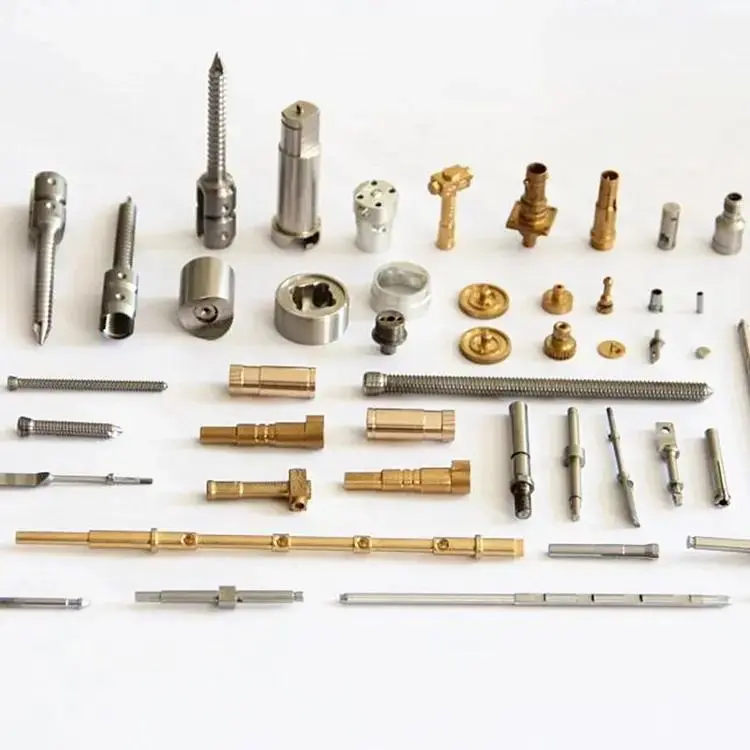
Brass is another material commonly used in CNC Swiss machining due to its excellent machinability and corrosion resistance. It is frequently utilized for electrical connectors and fittings.
3. Stainless Steel
Stainless steel can also be machined using CNC Swiss techniques, although it requires slower feed rates and specialized tooling due to its hardness.
4. Plastics
Certain plastics can be machined using CNC Swiss techniques, making them suitable for applications requiring lightweight and corrosion-resistant components.
Best Practices for Optimizing CNC Swiss Machining
To achieve the best results with CNC Swiss machining, adhering to best practices is essential:
1. Regular Maintenance
Regular maintenance of CNC Swiss machines ensures they operate efficiently and extends their lifespan. This includes routine checks of the mechanical components, lubrication, and software updates.
2. Operator Training
Investing in operator training is vital for maximizing the capabilities of CNC Swiss machines. Well-trained operators can make quick adjustments and troubleshoot any issues that arise during machining.
3. Process Optimization
Monitoring and optimizing machining parameters, such as feed rates and cutting speeds, can significantly impact the quality of the finished parts. Regularly reviewing these settings helps maintain consistency and efficiency.
4. Quality Assurance Programs
Implementing a robust quality assurance program allows manufacturers to monitor the production process continually. This ensures that any deviations from the desired specifications are quickly identified and addressed.
The Future of CNC Swiss Machining
As technology continues to advance, the future of CNC Swiss machining looks promising. Innovations in automation, artificial intelligence, and machine learning are set to further enhance the efficiency and capabilities of CNC Swiss machines. Additionally, the integration of IoT (Internet of Things) technology will allow for real-time monitoring and predictive maintenance, ensuring optimal performance and reducing downtime.
FAQs about CNC Swiss Machining
1. What types of parts can be produced using CNC Swiss machining?
CNC Swiss machining is ideal for producing small, complex parts with tight tolerances, including components for the aerospace, medical, automotive, and electronics industries.
2. How does CNC Swiss machining differ from traditional machining?
CNC Swiss machining offers greater precision, efficiency, and versatility compared to traditional machining methods. It allows for simultaneous machining of multiple features, reducing cycle times significantly.
3. What materials can be machined using CNC Swiss techniques?
While aluminum is the most commonly machined material, CNC Swiss techniques can also process brass, stainless steel, and certain plastics.
4. How can I ensure the quality of parts produced by CNC Swiss machining?
Implementing a robust quality assurance program that includes regular inspections and monitoring of machining parameters can help ensure high-quality outputs.
5. Is CNC Swiss machining cost-effective for small production runs?
Yes, CNC Swiss machining is often cost-effective for small production runs due to its efficiency, reduced material waste, and the ability to produce complex parts without extensive setup times.
Conclusion
CNC Swiss machining techniques provide a powerful solution for manufacturers seeking to produce complex aluminum parts with exceptional precision and efficiency. By understanding the intricacies of the process, employing key techniques, and adhering to best practices, manufacturers can optimize their production capabilities and meet the demanding standards of various industries. With the future promising further technological advancements, CNC Swiss machining will continue to play a vital role in the evolution of modern manufacturing.
NewsCenter
 2026-06-13
Beijing Pafinal Precision Machinery Co., Ltd.
Email:sales@pafinal.com

Address: No. 239 Huanhe South Road, Tianjin Pilot Free Trade Zone (Airport Economic Zone), Tianjin
中企跨境-全域组件
制作前进入CSS配置样式
sales@pafinal.com:
Whatsapp:
在线客服添加返回顶部
图片alt标题设置: PAFINAL
表单验证提示文本: Content cannot be empty!
循环体没有内容时: Sorry,no matching items were found.
CSS / JS 文件放置地