

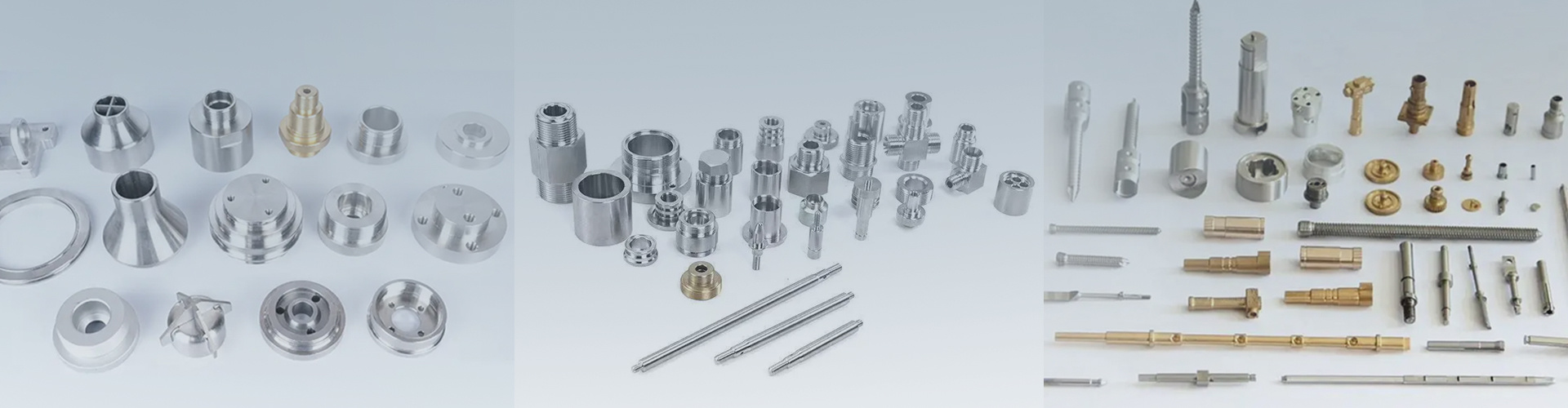
Understanding Precision Parts in Machining and Manufacturing
Published Time:
2026-03-14
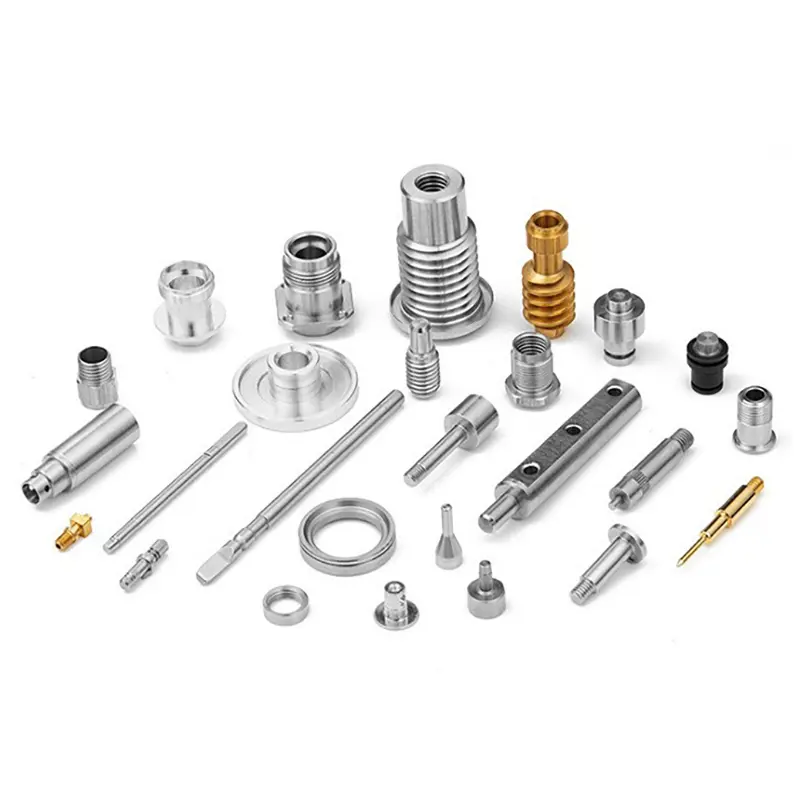
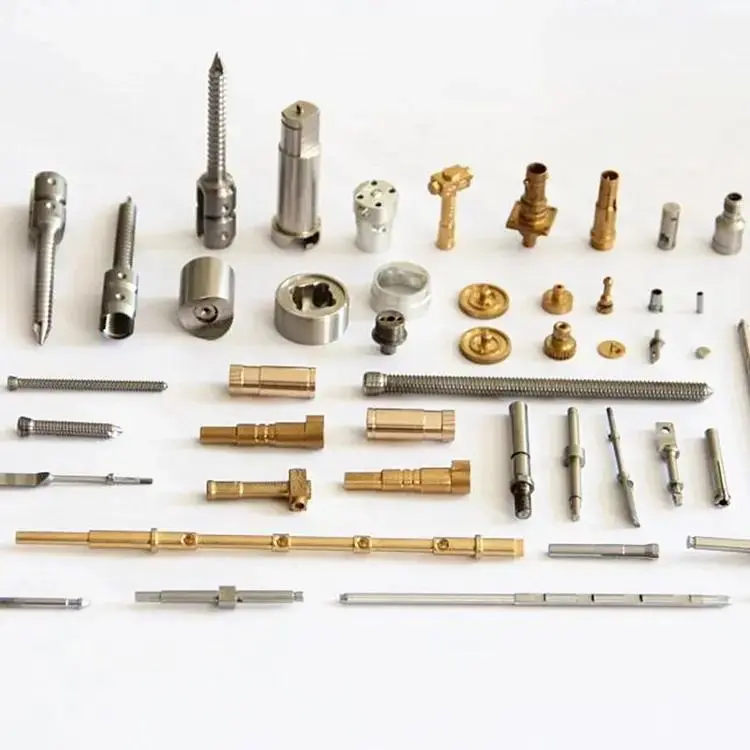
Precision parts are critical components in the manufacturing and machining sectors, especially in mechanical hardware and part processing. These parts are characterized by their exact measurements and specifications, which are essential for ensuring the seamless operation of various mechanical systems. The production of precision parts involves advanced techniques and technologies that guarantee high levels of accuracy, which is vital for industries such as aerospace, automotive, and electronics.
The manufacturing of precision parts typically employs various machining processes, including CNC (Computer Numerical Control) machining, milling, turning, and grinding. CNC machining has revolutionized the production of precision parts by enabling high-speed processing with minimal human intervention. This technology allows for the creation of complex geometries and intricate designs that meet strict tolerances, resulting in parts that fit perfectly within the larger assemblies they become part of.
Material selection plays a significant role in achieving the desired precision. Common materials used for precision parts include metals such as aluminum, stainless steel, and titanium, as well as polymers and composites. Each material has unique properties that affect its machinability, strength, and durability. Therefore, understanding the characteristics of these materials is essential for manufacturers to produce parts that can withstand operational demands while maintaining tight tolerances.
Quality control is another crucial aspect of precision parts manufacturing. Various testing methods such as coordinate measuring machines (CMM), laser scanning, and optical inspection are utilized to ensure that each part meets the specified dimensions and performance requirements. Implementing rigorous quality assurance processes helps manufacturers identify and rectify any discrepancies early in the production cycle, thereby reducing waste and enhancing overall efficiency.
In addition to traditional machining techniques, additive manufacturing, or 3D printing, has emerged as a promising approach for producing precision parts. This technology allows for rapid prototyping and the ability to create complex shapes that would be difficult or impossible to achieve through conventional methods. As additive manufacturing continues to evolve, it presents new opportunities for innovation in the production of precision components.
In conclusion, the importance of precision parts in the manufacturing and machining industries cannot be overstated. From ensuring the functionality of critical systems to enhancing product performance, these components are the backbone of modern machinery. As technology advances, the methods for producing precision parts will continue to improve, paving the way for even more efficient and effective manufacturing processes. Embracing these advancements while maintaining a focus on quality will be key to success in this competitive field.
The manufacturing of precision parts typically employs various machining processes, including CNC (Computer Numerical Control) machining, milling, turning, and grinding. CNC machining has revolutionized the production of precision parts by enabling high-speed processing with minimal human intervention. This technology allows for the creation of complex geometries and intricate designs that meet strict tolerances, resulting in parts that fit perfectly within the larger assemblies they become part of.
Material selection plays a significant role in achieving the desired precision. Common materials used for precision parts include metals such as aluminum, stainless steel, and titanium, as well as polymers and composites. Each material has unique properties that affect its machinability, strength, and durability. Therefore, understanding the characteristics of these materials is essential for manufacturers to produce parts that can withstand operational demands while maintaining tight tolerances.
Quality control is another crucial aspect of precision parts manufacturing. Various testing methods such as coordinate measuring machines (CMM), laser scanning, and optical inspection are utilized to ensure that each part meets the specified dimensions and performance requirements. Implementing rigorous quality assurance processes helps manufacturers identify and rectify any discrepancies early in the production cycle, thereby reducing waste and enhancing overall efficiency.
In addition to traditional machining techniques, additive manufacturing, or 3D printing, has emerged as a promising approach for producing precision parts. This technology allows for rapid prototyping and the ability to create complex shapes that would be difficult or impossible to achieve through conventional methods. As additive manufacturing continues to evolve, it presents new opportunities for innovation in the production of precision components.
In conclusion, the importance of precision parts in the manufacturing and machining industries cannot be overstated. From ensuring the functionality of critical systems to enhancing product performance, these components are the backbone of modern machinery. As technology advances, the methods for producing precision parts will continue to improve, paving the way for even more efficient and effective manufacturing processes. Embracing these advancements while maintaining a focus on quality will be key to success in this competitive field.
 2026-04-18


Beijing Pafinal Precision Machinery Co., Ltd.
Email:sales@pafinal.com

Address: No. 239 Huanhe South Road, Tianjin Pilot Free Trade Zone (Airport Economic Zone), Tianjin
中企跨境-全域组件
制作前进入CSS配置样式
sales@pafinal.com:
Whatsapp:
在线客服添加返回顶部
图片alt标题设置: PAFINAL
表单验证提示文本: Content cannot be empty!
循环体没有内容时: Sorry,no matching items were found.
CSS / JS 文件放置地