

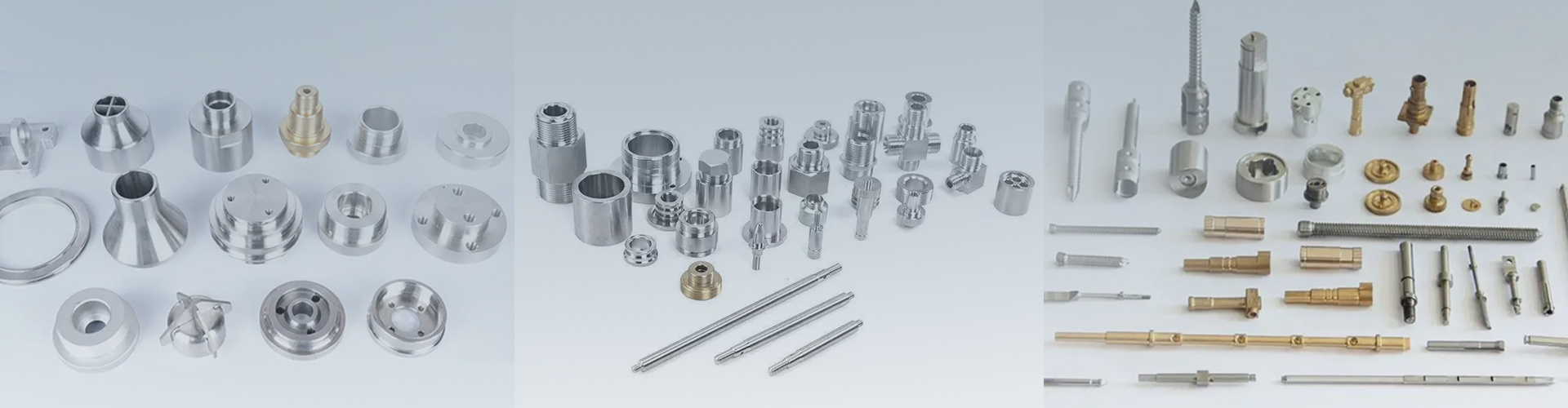
Mastering Machined Parts: A Comprehensive Guide to Precision Manufacturing
Published Time:
2026-09-26
---
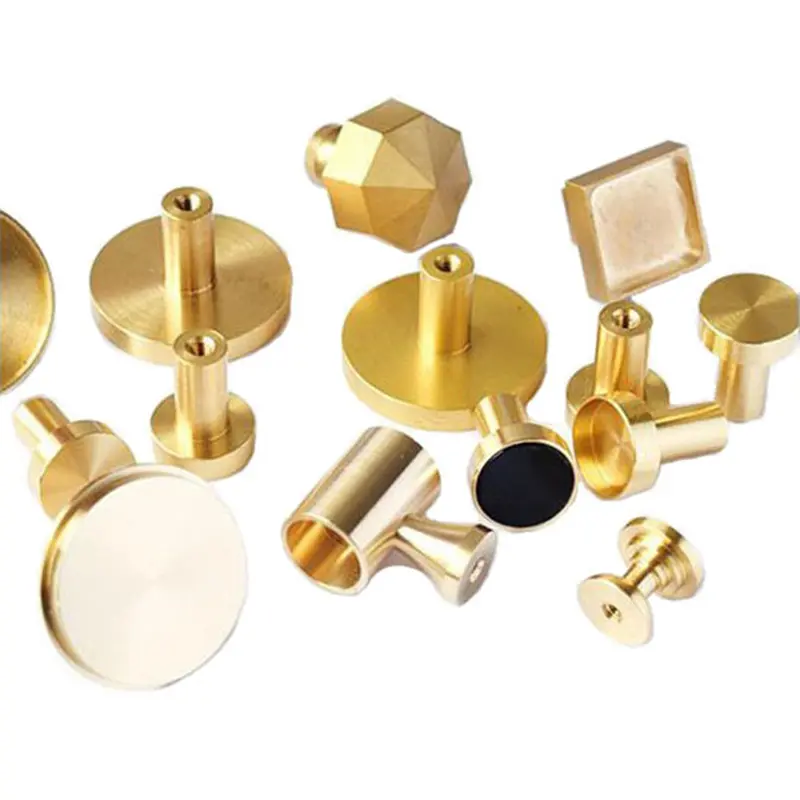
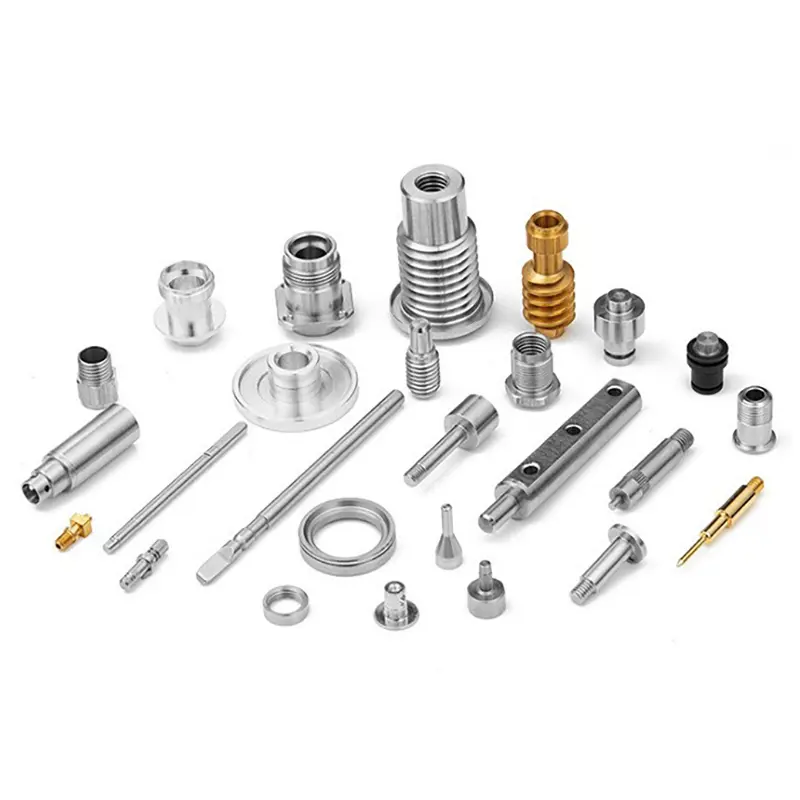
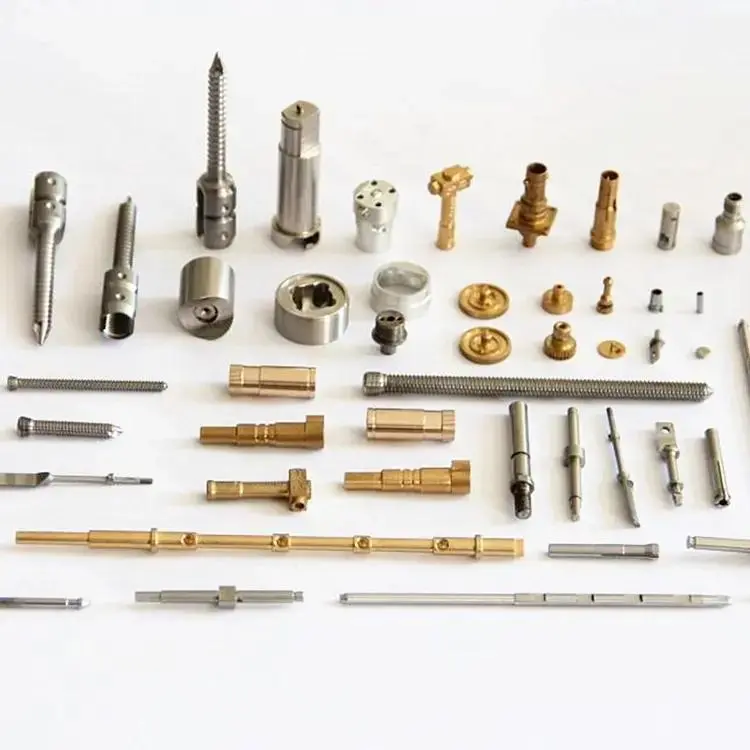
In the realm of manufacturing and machining, **machined parts** serve as the backbone of countless applications, ranging from automotive to aerospace. These components are meticulously crafted through various machining processes, each tailored to achieve specific performance requirements and tolerances. Understanding the fundamental aspects of machined parts is crucial for professionals in the industry.
The primary focus of machined parts is precision. They are created using processes such as turning, milling, drilling, and grinding, which remove material from a solid block, known as a workpiece, to form the desired shape. The choice of machining process largely depends on the complexity of the part and the material being used. For instance, turning is often employed for cylindrical parts, while milling is ideal for flat or complex geometries.
Material selection is another critical aspect of producing machined parts. Common materials include metals such as aluminum, steel, and titanium, as well as plastics and composites. Each material exhibits unique properties that influence factors like strength, weight, and corrosion resistance. Understanding these properties helps manufacturers choose the right material that meets the specific requirements of the application.
Furthermore, tolerances play a significant role in the production of machined parts. Tolerances refer to the allowable deviation from specified dimensions. High-precision components often require tight tolerances, which demand advanced machining techniques and sophisticated equipment. The ability to achieve these tolerances is essential for ensuring the functionality and reliability of the final product.
Quality control is another critical area that cannot be overlooked. Implementing stringent quality control measures throughout the machining process helps ensure that every machined part meets the necessary specifications. Techniques such as statistical process control (SPC) and regular inspections are commonly used to monitor the production process and maintain high standards.
In addition to traditional machining methods, advancements in technology have introduced innovative techniques like computer numerical control (CNC) machining. CNC machines enhance the accuracy and repeatability of machined parts, allowing for complex designs to be produced efficiently. The integration of automation and digital technologies continues to revolutionize the industry, leading to improved production rates and reduced lead times.
As the demand for high-quality machined parts continues to grow, manufacturers must stay abreast of the latest trends and technologies in machining. Continuous improvement, investment in advanced tools, and a focus on skill development are key strategies for success in this competitive field.
In conclusion, understanding the intricacies of machined parts is vital for professionals in the manufacturing and machining sectors. By focusing on precision, material selection, tolerance, quality control, and embracing technological advancements, manufacturers can produce high-quality components that meet the ever-evolving demands of the industry.
NewsCenter
 2026-10-10


Beijing Pafinal Precision Machinery Co., Ltd.
Email:sales@pafinal.com

Address: No. 239 Huanhe South Road, Tianjin Pilot Free Trade Zone (Airport Economic Zone), Tianjin
中企跨境-全域组件
制作前进入CSS配置样式
sales@pafinal.com:
Whatsapp:
在线客服添加返回顶部
图片alt标题设置: PAFINAL
表单验证提示文本: Content cannot be empty!
循环体没有内容时: Sorry,no matching items were found.
CSS / JS 文件放置地