

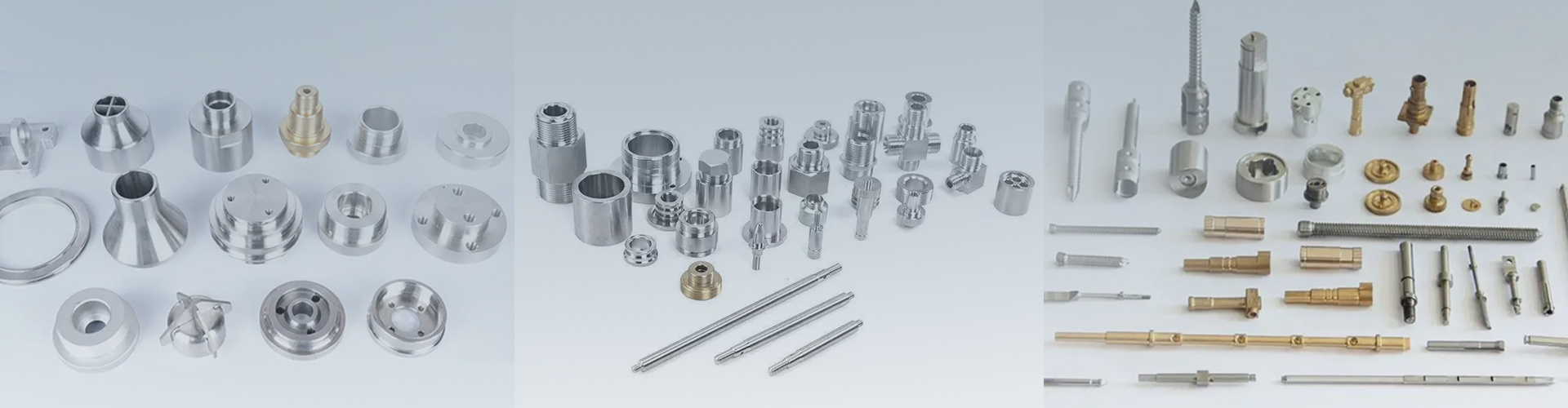
How Aerospace Machined Parts Contribute to Sustainable Aviation
Published Time:
2026-09-19
How Aerospace Machined Parts Contribute to Sustainable Aviation
Table of Contents
- 1. Introduction to Aerospace Machined Parts
- 2. The Importance of Sustainability in Aviation
- 3. Technological Advancements in Machining
- 4. Materials Used in Aerospace Machining
- 5. Environmental Impact of Machined Parts
- 6. Efficiency Through Precision Engineering
- 7. Case Studies in Sustainable Aerospace Manufacturing
- 8. Future Trends in Aerospace Machining
- 9. Conclusion
- 10. FAQs
1. Introduction to Aerospace Machined Parts
Aerospace machined parts hold a pivotal position in the aviation industry, serving as the backbone of modern aircraft. These components are meticulously engineered to meet stringent safety and performance standards, ensuring that aircraft are not only efficient but also environmentally friendly. The emergence of sustainable aviation necessitates a closer examination of how these machined parts contribute to reducing the ecological footprint of air travel.
2. The Importance of Sustainability in Aviation
Sustainability in aviation is no longer a choice; it is a necessity. With the global push towards minimizing carbon emissions and reducing the environmental impact of air travel, the aerospace industry is actively seeking ways to innovate. Sustainable aviation aims to enhance fuel efficiency, lower carbon footprints, and promote the use of renewable resources. This transformation is largely driven by advancements in aerospace machined parts, which play a crucial role in achieving these objectives.
2.1 The Role of Regulations and Guidelines
Regulatory bodies, such as the International Air Transport Association (IATA) and the Federal Aviation Administration (FAA), impose strict guidelines to ensure that aviation practices align with sustainability goals. These regulations encourage manufacturers to adopt greener technologies and processes in the production of aerospace machined parts.
3. Technological Advancements in Machining
The field of machining technology has evolved dramatically over the past few decades. Innovations such as Computer Numerical Control (CNC) machining, additive manufacturing, and advanced simulation tools have revolutionized how aerospace components are designed and produced.
3.1 CNC Machining and Its Impact
CNC machining has drastically improved precision, allowing for the creation of intricate components that maximize efficiency while minimizing waste. This level of accuracy ensures that aircraft operate at peak performance, contributing to reduced fuel consumption.
3.2 Additive Manufacturing: A Game Changer
Additive manufacturing, or 3D printing, enables the production of complex geometries that traditional machining methods cannot achieve. This technology not only reduces material waste but also allows for lightweight designs, resulting in lower emissions during flight.
4. Materials Used in Aerospace Machining
The choice of materials in aerospace machining is critical to achieving sustainability. Manufacturers are increasingly turning to lightweight and durable materials that enhance performance while minimizing environmental impact.
4.1 Advanced Alloys and Composites
Materials such as titanium, carbon fiber, and advanced aluminum alloys offer excellent strength-to-weight ratios. These materials not only support energy efficiency but also contribute to longer-lasting components that require less frequent replacement.
4.2 Recycled Materials in Machining
Utilizing recycled materials in the manufacturing of aerospace machined parts is gaining traction. This practice not only reduces the demand for virgin resources but also lowers the overall environmental footprint associated with production.
5. Environmental Impact of Machined Parts
Understanding the environmental impact of aerospace machined parts involves assessing the entire lifecycle, from production to disposal.
5.1 Carbon Footprint Reduction
By employing sustainable practices in machining, manufacturers can significantly lower the carbon emissions associated with aircraft production. Enhanced energy efficiency during machining processes plays a key role in achieving these reductions.
5.2 Lifecycle Assessment
Conducting comprehensive lifecycle assessments of machined parts helps identify areas for improvement in sustainability practices. This analysis can lead to more informed decisions regarding material selection, manufacturing methods, and end-of-life disposal.
6. Efficiency Through Precision Engineering
Precision engineering is at the heart of aerospace machining. By ensuring the highest standards of accuracy, manufacturers can produce components that not only improve the performance of aircraft but also enhance fuel efficiency.
6.1 The Benefits of Lightweight Components
Lightweight machined parts contribute directly to fuel savings. When aircraft are designed with these components, they require less energy to operate, translating into lower emissions and reduced operational costs.
6.2 Reducing Maintenance Through Precision
High-quality machined parts reduce the likelihood of wear and tear, leading to lower maintenance costs and longer service intervals. This reliability not only benefits airlines economically but also contributes to a more sustainable aviation ecosystem.
7. Case Studies in Sustainable Aerospace Manufacturing
Examining real-world examples of sustainable aerospace manufacturing can provide valuable insights into the effectiveness of machined parts in promoting sustainability.
7.1 Boeing’s Sustainable Aviation Initiatives
Boeing has implemented numerous initiatives aimed at reducing environmental impact through advanced machining technologies. By investing in sustainable materials and manufacturing techniques, the company has successfully reduced waste and emissions throughout its production processes.
7.2 Airbus’s Innovative Machining Practices
Airbus is renowned for its commitment to sustainability in aviation. The company’s use of precision machining and advanced materials has led to the development of aircraft with reduced fuel consumption and lower environmental impact.
8. Future Trends in Aerospace Machining
As the demand for sustainable aviation continues to grow, several trends are emerging in aerospace machining.
8.1 Integration of Artificial Intelligence
The integration of artificial intelligence (AI) in aerospace machining processes can optimize production efficiencies and enhance precision. AI-driven technologies will likely lead to further innovations in sustainable practices.
8.2 The Shift Towards Circular Economy Principles
The adoption of circular economy principles in aerospace manufacturing encourages the reuse and recycling of materials, further reducing environmental impact. This holistic approach will shape the future of aerospace machining.
9. Conclusion
Aerospace machined parts are essential to the advancement of sustainable aviation. By embracing innovative technologies, sustainable materials, and precision engineering, the aerospace industry can significantly reduce its environmental footprint while improving the efficiency and performance of aircraft. As we look toward the future, the continued evolution of machining practices will play a critical role in achieving sustainable aviation goals.
10. FAQs
What are aerospace machined parts?
Aerospace machined parts are components produced through precision machining processes specifically for aircraft and aerospace applications. They are designed to meet high standards of safety and performance.
How do aerospace machined parts improve sustainability?
These parts contribute to sustainability by enhancing aircraft efficiency, reducing weight, and minimizing material waste during production.
What technologies are used in aerospace machining?
Technologies such as CNC machining, additive manufacturing, and advanced simulation tools are commonly employed in aerospace machining to improve precision and reduce waste.
Why is lightweight design important in aviation?
Lightweight designs reduce fuel consumption, lower emissions, and enhance overall aircraft performance, making them crucial for sustainable aviation.
What role does recycling play in aerospace manufacturing?
Recycling materials in aerospace manufacturing helps reduce the demand for virgin resources, lowering the overall environmental impact of production processes.
NewsCenter

 2026-10-10


Beijing Pafinal Precision Machinery Co., Ltd.
Email:sales@pafinal.com

Address: No. 239 Huanhe South Road, Tianjin Pilot Free Trade Zone (Airport Economic Zone), Tianjin
中企跨境-全域组件
制作前进入CSS配置样式
sales@pafinal.com:
Whatsapp:
在线客服添加返回顶部
图片alt标题设置: PAFINAL
表单验证提示文本: Content cannot be empty!
循环体没有内容时: Sorry,no matching items were found.
CSS / JS 文件放置地