

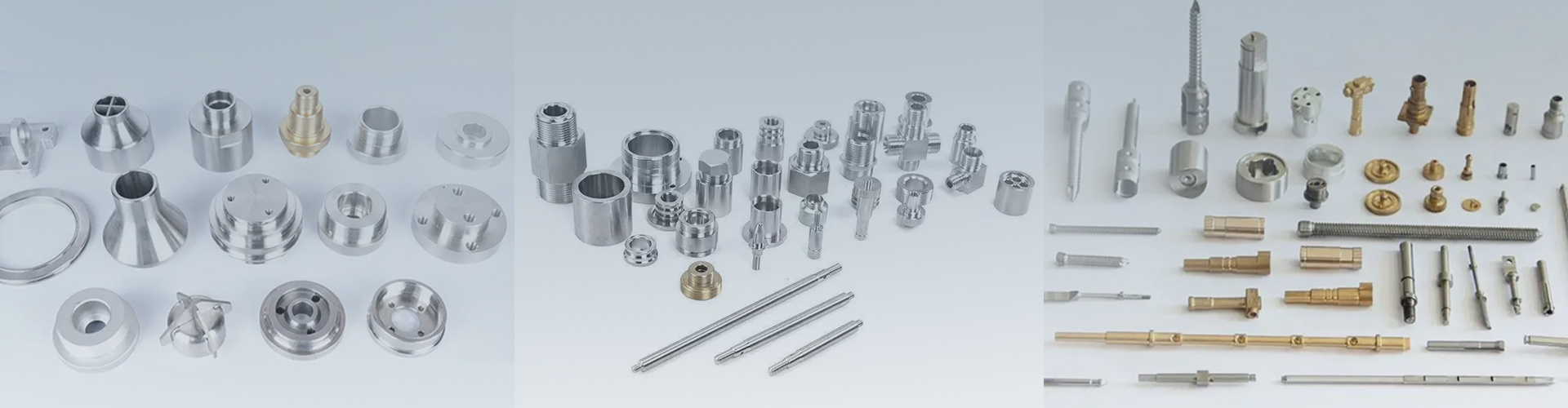
Revolutionizing Manufacturing: CNC Swiss Machining for Complex Stainless Steel Shapes
Published Time:
2026-10-03
Innovative Solutions: CNC Swiss Machining for Complex Stainless Steel Shapes
Table of Contents
- 1. Introduction to CNC Swiss Machining
- 2. What is CNC Swiss Machining?
- 3. Benefits of CNC Swiss Machining for Stainless Steel Components
- 4. Applications of CNC Swiss Machining in Various Industries
- 5. The Process of CNC Swiss Machining
- 6. Materials Used in CNC Swiss Machining
- 7. Choosing the Right CNC Swiss Machining Partner
- 8. Future of CNC Swiss Machining: Trends and Innovations
- 9. Frequently Asked Questions
- 10. Conclusion
1. Introduction to CNC Swiss Machining
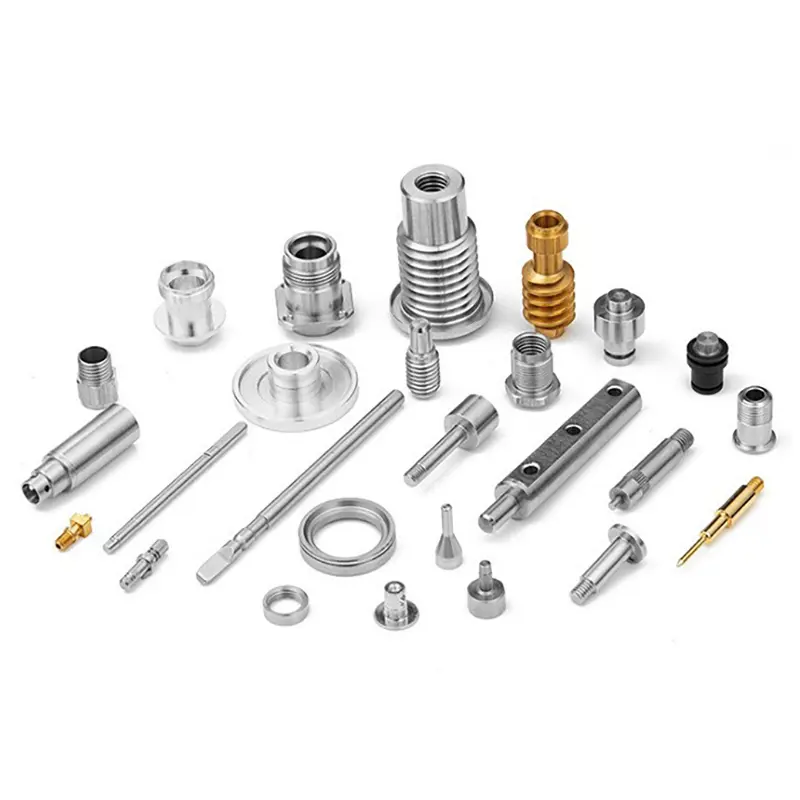
CNC Swiss machining represents a groundbreaking advancement in the manufacturing sector, specifically designed to produce complex shapes and parts with extraordinary precision. As industries increasingly demand intricate components that require tight tolerances, CNC Swiss machining emerges as a leading solution. This article delves into the innovative aspects of CNC Swiss machining, particularly its capability to craft complex stainless steel shapes efficiently.
2. What is CNC Swiss Machining?
CNC Swiss machining is a specialized technique that involves the use of computer numerical control (CNC) technology to automate the machining process. This method is particularly effective for manufacturing small, high-precision components with complex geometries. Originating from Swiss watchmaking, this machining technique utilizes a sliding headstock that moves the workpiece forward as tools rotate around it. This innovative design allows for the creation of intricate parts with minimal waste and optimal accuracy.
2.1 Key Features of CNC Swiss Machining
- **High Precision**: CNC Swiss machines can achieve tolerances as close as ±0.001 inches.
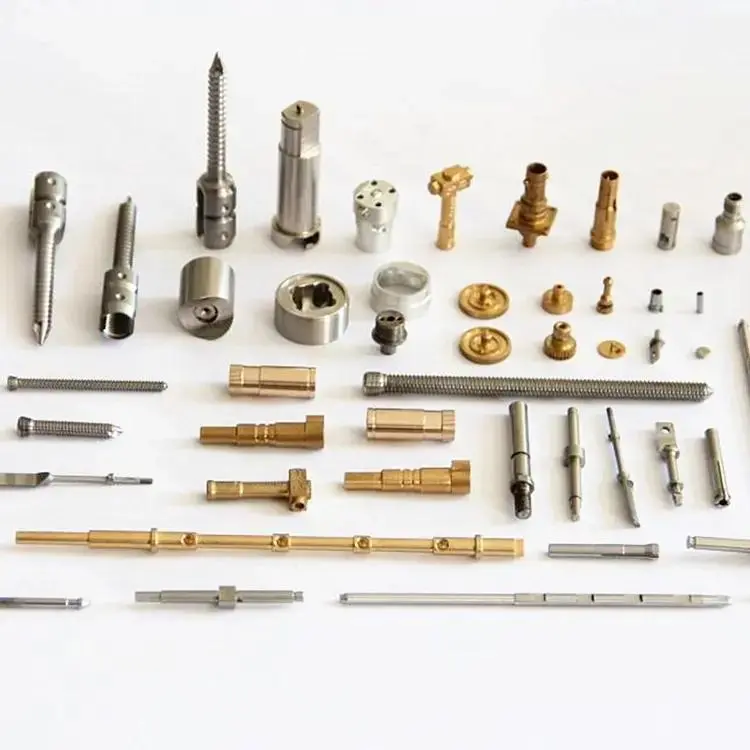
- **Complex Geometries**: The ability to produce parts with intricate shapes and features that are difficult to achieve with traditional machining methods.
- **Reduced Production Time**: The automation of the machining process significantly speeds up production.
- **Versatility**: Ideal for various materials, including different grades of stainless steel, aluminum, brass, and plastics.
3. Benefits of CNC Swiss Machining for Stainless Steel Components
When it comes to manufacturing stainless steel components, CNC Swiss machining offers a myriad of advantages:
3.1 Enhanced Efficiency and Speed
CNC Swiss machining minimizes the time required for setup and production. Its ability to quickly switch between different tools and operations allows manufacturers to meet tight deadlines without compromising quality.
3.2 Improved Precision and Quality
The high degree of automation ensures consistent quality throughout the production run. Each part produced maintains identical specifications, reducing the likelihood of defects and the need for rework.
3.3 Cost-Effectiveness
While the initial investment in CNC Swiss machinery can be significant, the long-term savings in labor costs, material waste, and production time make it a cost-effective solution for manufacturers.
3.4 Flexibility in Design
CNC Swiss machining allows for rapid prototyping and the flexibility to modify designs with ease, enabling businesses to adapt to changing market demands efficiently.
4. Applications of CNC Swiss Machining in Various Industries
The versatility of CNC Swiss machining makes it suitable for various industries, including:
4.1 Aerospace Industry
In aerospace, components must meet stringent regulations and high-performance standards. CNC Swiss machining is ideal for producing complex parts like brackets, housings, and connectors that require exceptional precision.
4.2 Medical Devices
The medical field often requires intricate and precise components for surgical instruments and implants. CNC Swiss machining's ability to produce small, complex shapes with high tolerance makes it invaluable in this industry.
4.3 Automotive Sector
Automotive manufacturers rely on CNC Swiss machining for producing components such as valves, fasteners, and fittings, which need precision and durability to withstand rigorous conditions.
4.4 Electronics Manufacturing
In electronics, the demand for miniaturization and intricate designs has led to increased reliance on CNC Swiss machining for producing connectors, housings, and other components.
5. The Process of CNC Swiss Machining
The CNC Swiss machining process involves several key steps:
5.1 Material Preparation
The process begins with selecting the appropriate stainless steel material, typically in the form of bars. The bars are loaded into the machine, ready for machining.
5.2 Set Up
The machine operator configures the CNC program, ensuring that the tools are correctly aligned and calibrated for the desired specifications.
5.3 Machining Operations
As the machine operates, it performs various machining operations, such as turning, milling, drilling, and threading, all while the workpiece is continuously fed through the machine.
5.4 Quality Control
Throughout the machining process, precision measurements are taken to ensure that each part meets the required specifications. Any deviations are addressed immediately to maintain quality standards.
6. Materials Used in CNC Swiss Machining
While CNC Swiss machining is highly versatile, certain materials, particularly stainless steel, stand out due to their superior properties:
6.1 Types of Stainless Steel
Different grades of stainless steel, such as 303, 304, and 316, are commonly used in CNC Swiss machining. Each grade offers distinct benefits, such as corrosion resistance, strength, and machinability.
6.2 Other Materials
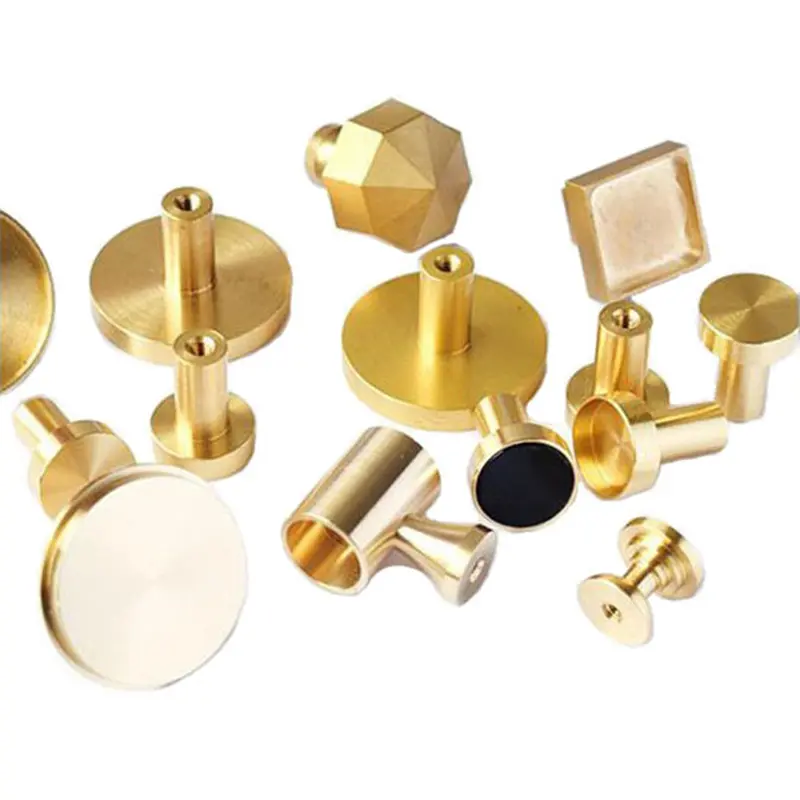
In addition to stainless steel, CNC Swiss machining can effectively work with other materials, including aluminum for lightweight applications, brass for electrical components, and various plastics for non-metallic parts.
7. Choosing the Right CNC Swiss Machining Partner
Selecting a reliable CNC Swiss machining partner is crucial for ensuring the success of your projects. Consider the following factors:
7.1 Experience and Expertise
Choose a partner with a proven track record in CNC Swiss machining, particularly in your industry. Knowledge of specific material properties and machining techniques is essential.
7.2 Technology and Equipment
Assess the technology and machinery used by the potential partner. Advanced CNC Swiss machines with high precision capabilities are essential for producing complex shapes effectively.
7.3 Quality Assurance Processes
Inquire about the quality control measures implemented by the partner. Rigorous testing protocols ensure that every component meets industry standards.
7.4 Customer Support
A responsive customer support team can significantly enhance your experience, providing assistance in design, prototyping, and any post-production requirements.
8. Future of CNC Swiss Machining: Trends and Innovations
As technology continues to evolve, CNC Swiss machining is set to undergo significant advancements:
8.1 Integration of Automation
The future will likely see increased automation in CNC Swiss machining, improving production speed and efficiency further.
8.2 Advanced Materials
The exploration of new materials, including composites and specialized alloys, will expand the applications of CNC Swiss machining.
8.3 Sustainability Practices
As industries pivot towards sustainability, CNC Swiss machining processes will likely adopt more eco-friendly practices, including reducing waste and energy consumption.
9. Frequently Asked Questions
**Q1: What types of parts can be produced using CNC Swiss machining?**
A1: CNC Swiss machining is capable of producing a wide range of parts, including small, complex components such as fittings, brackets, and medical devices.
**Q2: How does CNC Swiss machining compare to traditional machining methods?**
A2: CNC Swiss machining offers higher precision, faster production times, and the ability to create intricate shapes compared to traditional machining methods.
**Q3: What materials are best suited for CNC Swiss machining?**
A3: Stainless steel, aluminum, brass, and various plastics are commonly used materials in CNC Swiss machining due to their favorable properties.
**Q4: What industries benefit most from CNC Swiss machining?**
A4: Industries such as aerospace, medical devices, automotive, and electronics benefit significantly from the high precision and efficiency of CNC Swiss machining.
**Q5: How can I ensure quality in CNC Swiss machined parts?**
A5: Ensuring quality involves selecting a reputable machining partner with robust quality assurance processes and conducting regular inspections during production.
10. Conclusion
CNC Swiss machining stands at the forefront of modern manufacturing, offering innovative solutions for producing complex stainless steel shapes with unmatched precision and efficiency. As industries continue to demand high-quality components that meet stringent requirements, the importance of CNC Swiss machining cannot be understated. By leveraging its numerous benefits and applications, manufacturers can enhance their productivity, reduce costs, and maintain a competitive edge in an ever-evolving market. Embracing CNC Swiss machining as a core manufacturing strategy will undoubtedly pave the way for future advancements in the industry.
NewsCenter
 2026-10-10


Beijing Pafinal Precision Machinery Co., Ltd.
Email:sales@pafinal.com

Address: No. 239 Huanhe South Road, Tianjin Pilot Free Trade Zone (Airport Economic Zone), Tianjin
中企跨境-全域组件
制作前进入CSS配置样式
sales@pafinal.com:
Whatsapp:
在线客服添加返回顶部
图片alt标题设置: PAFINAL
表单验证提示文本: Content cannot be empty!
循环体没有内容时: Sorry,no matching items were found.
CSS / JS 文件放置地