

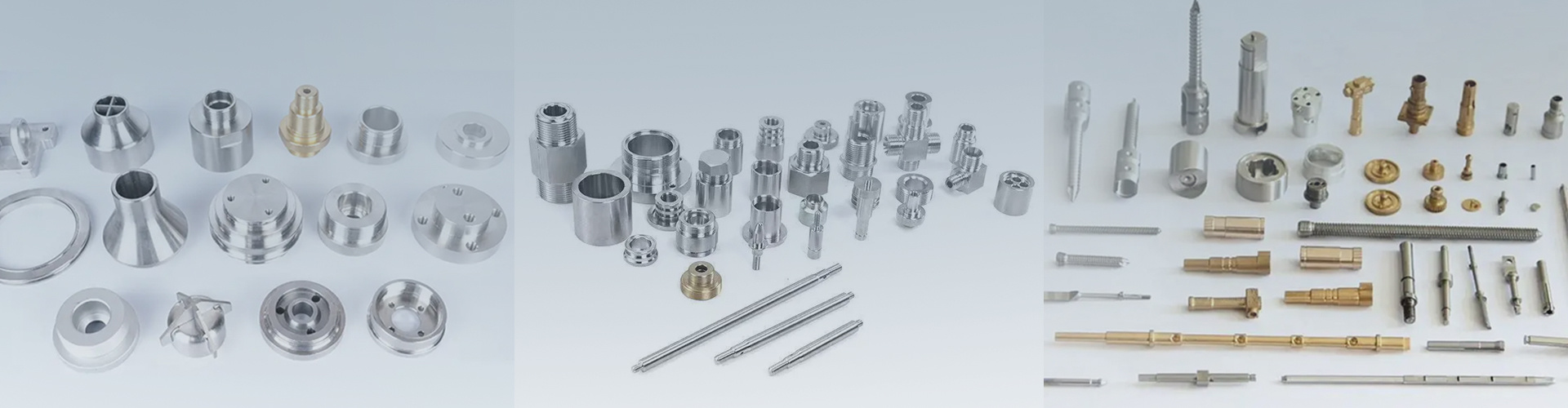
How CNC Swiss Machining Enhances the Quality of Stainless Steel Parts
Published Time:
2026-06-13
How CNC Swiss Machining Enhances the Quality of Stainless Steel Parts
Table of Contents
- Introduction to CNC Swiss Machining
- What is CNC Swiss Machining?
- Advantages of CNC Swiss Machining for Stainless Steel Parts
- Precision and Accuracy: The Hallmarks of CNC Swiss Machining
- Materials and Techniques Used in CNC Swiss Machining
- Quality Assurance in CNC Swiss Machining
- Applications of CNC Swiss Machining in Various Industries
- The Future of CNC Swiss Machining
- Frequently Asked Questions
- Conclusion
Introduction to CNC Swiss Machining
CNC Swiss machining is transforming the manufacturing landscape, particularly in the production of high-quality stainless steel parts. This method is characterized by its ability to produce complex geometries with exceptional precision. As industries increasingly demand high-performance components, understanding the benefits of CNC Swiss machining becomes essential for manufacturers aiming to enhance product quality.
What is CNC Swiss Machining?
CNC Swiss machining is a specialized technique that utilizes computer numerical control (CNC) systems to control the movement and operation of machine tools. Originating in Switzerland in the 19th century, this form of machining has evolved significantly, allowing for the efficient production of small, intricate parts. Unlike traditional machining methods, CNC Swiss machining operates by feeding a bar of material into the machine, where it is rotated and machined into the desired shape.
The key aspects of CNC Swiss machining include:
- **High Precision:** CNC Swiss machines can achieve tolerances of up to ±0.0005 inches, making them ideal for applications that require extreme accuracy.
- **Complex Geometries:** This method allows for the creation of intricate designs that would be challenging to achieve using conventional machining techniques.
- **Efficiency:** The continuous feeding of material and simultaneous operations reduce cycle times significantly.
Advantages of CNC Swiss Machining for Stainless Steel Parts
Utilizing CNC Swiss machining for stainless steel parts offers numerous advantages that enhance both production efficiency and product quality. These advantages include:
1. Enhanced Surface Finish
CNC Swiss machining is renowned for its ability to produce parts with excellent surface finishes. The machining process minimizes tool marks and enhances the overall aesthetic quality of stainless steel components, which is crucial in applications where appearance matters.
2. Reduced Waste and Material Efficiency
The precision of CNC Swiss machining minimizes material waste, as the bar stock is efficiently utilized. This not only lowers production costs but also contributes to sustainable manufacturing practices.
3. Increased Production Speed
By automating the machining process, CNC Swiss machines can significantly accelerate production speeds. This efficiency means that manufacturers can meet tight deadlines without compromising on quality.
4. Versatility in Design
CNC Swiss machining supports a wide range of designs and can accommodate various stainless steel grades. This versatility allows manufacturers to meet diverse customer requirements with ease.
5. Consistent Quality Control
The integration of CNC technology allows for consistent monitoring and control throughout the production process, ensuring that each part meets the specified quality standards.
Precision and Accuracy: The Hallmarks of CNC Swiss Machining
Precision and accuracy are pivotal in the manufacturing of stainless steel parts. CNC Swiss machining excels in these areas due to its advanced technology and process capabilities.
1. Tolerances Achievable with CNC Swiss Machining
CNC Swiss machines can produce parts with tolerances as tight as ±0.0005 inches. This level of precision is critical for components used in industries such as aerospace, automotive, and medical devices, where exact specifications are mandatory.
2. The Role of Computer Numerical Control
The use of CNC technology allows for precise control over the machining process, enabling complex movements and operations that human operators may not achieve consistently. This technology enhances the overall accuracy of the finished product.
Materials and Techniques Used in CNC Swiss Machining
CNC Swiss machining can accommodate various materials, but stainless steel remains one of the most popular due to its mechanical properties.
1. Types of Stainless Steel Used
Different grades of stainless steel, including 304, 316, and 440C, are frequently used in CNC Swiss machining. Each grade offers unique characteristics, such as corrosion resistance, strength, and hardness, making them suitable for specific applications.
2. Machining Techniques Employed
CNC Swiss machining employs various techniques, including:
- **Turning:** Rotating the workpiece while the cutting tool remains stationary.
- **Milling:** Moving the cutting tool in a circular motion around the workpiece.
- **Drilling:** Creating holes in the material using rotating drill bits.
These techniques, combined with CNC technology, allow for the production of highly intricate and accurate stainless steel parts.
Quality Assurance in CNC Swiss Machining
Ensuring the quality of stainless steel parts produced through CNC Swiss machining requires rigorous quality assurance processes.
1. In-Process Monitoring
Advanced CNC Swiss machines feature in-process monitoring systems that continuously assess the machining parameters. This real-time data collection enables immediate adjustments to maintain quality standards.
2. Final Inspection Protocols
Each part undergoes thorough inspection processes, including visual checks and measurement verifications. These inspections ensure that every component meets the required specifications before delivery.
3. Certifications and Compliance
Manufacturers often seek certifications such as ISO 9001 to demonstrate their commitment to quality control. Adhering to these standards reinforces consumer confidence in the products.
Applications of CNC Swiss Machining in Various Industries
CNC Swiss machining is widely used across various industries due to its versatility and precision. Some common applications include:
1. Aerospace Industry
In aerospace, the need for lightweight yet durable components is paramount. CNC Swiss machining produces parts such as brackets, fittings, and fasteners with exceptional precision.
2. Medical Devices
The medical sector requires high-quality components for devices. CNC Swiss machining is used to manufacture surgical instruments, implants, and various other medical devices that demand stringent quality standards.
3. Automotive Sector
CNC Swiss machining supports the automotive industry in producing intricate parts like fuel injectors, transmission components, and precision gears.
4. Electronics Manufacturing
In electronics, precision machined parts are essential for the assembly of devices. CNC Swiss machining produces connectors, housings, and other components with high accuracy.
The Future of CNC Swiss Machining
As technology continues to advance, the future of CNC Swiss machining looks promising. Innovations such as artificial intelligence and machine learning are set to enhance machining capabilities further.
1. Automation and Robotics
The integration of robotics in the CNC Swiss machining process will lead to increased automation, further improving efficiency and production rates.
2. Advanced Materials
With the ongoing development of new materials, CNC Swiss machining will adapt to accommodate these advancements, allowing for the production of even more complex and high-performance parts.
3. Sustainability Efforts
Manufacturers are increasingly focusing on sustainable practices. CNC Swiss machining’s efficiency and material utilization will play a significant role in reducing waste and promoting environmentally friendly manufacturing processes.
Frequently Asked Questions
1. What industries benefit the most from CNC Swiss machining?
CNC Swiss machining is widely used in industries such as aerospace, automotive, medical devices, and electronics, where precision and quality are crucial.
2. How does CNC Swiss machining differ from traditional machining?
CNC Swiss machining allows for higher precision, faster production speeds, and the capability to produce complex geometries compared to traditional machining methods.
3. What types of stainless steel can be machined using CNC Swiss technology?
Grades such as 304, 316, and 440C are commonly used in CNC Swiss machining due to their desirable mechanical properties.
4. How are quality checks performed in CNC Swiss machining?
Quality checks are conducted through in-process monitoring and final inspections, including visual assessments and dimensional measurements, to ensure adherence to specifications.
5. What is the expected lifespan of CNC Swiss machined parts?
The lifespan of CNC Swiss machined parts can vary based on material, application, and environmental conditions, but they are generally designed for durability and longevity.
Conclusion
CNC Swiss machining offers a multitude of benefits that significantly enhance the quality of stainless steel parts, making it an indispensable manufacturing technique. With its unmatched precision, efficiency, and versatility, this method is transforming industries and setting new standards for component manufacturing. As technology advances, the potential of CNC Swiss machining will only increase, solidifying its role at the forefront of modern manufacturing practices. Manufacturers looking to improve the quality and performance of their stainless steel parts should seriously consider the advantages of CNC Swiss machining.
Previous Page
Previous Page
NewsCenter
 2026-06-13

Beijing Pafinal Precision Machinery Co., Ltd.
Email:sales@pafinal.com

Address: No. 239 Huanhe South Road, Tianjin Pilot Free Trade Zone (Airport Economic Zone), Tianjin
中企跨境-全域组件
制作前进入CSS配置样式
sales@pafinal.com:
Whatsapp:
在线客服添加返回顶部
图片alt标题设置: PAFINAL
表单验证提示文本: Content cannot be empty!
循环体没有内容时: Sorry,no matching items were found.
CSS / JS 文件放置地