

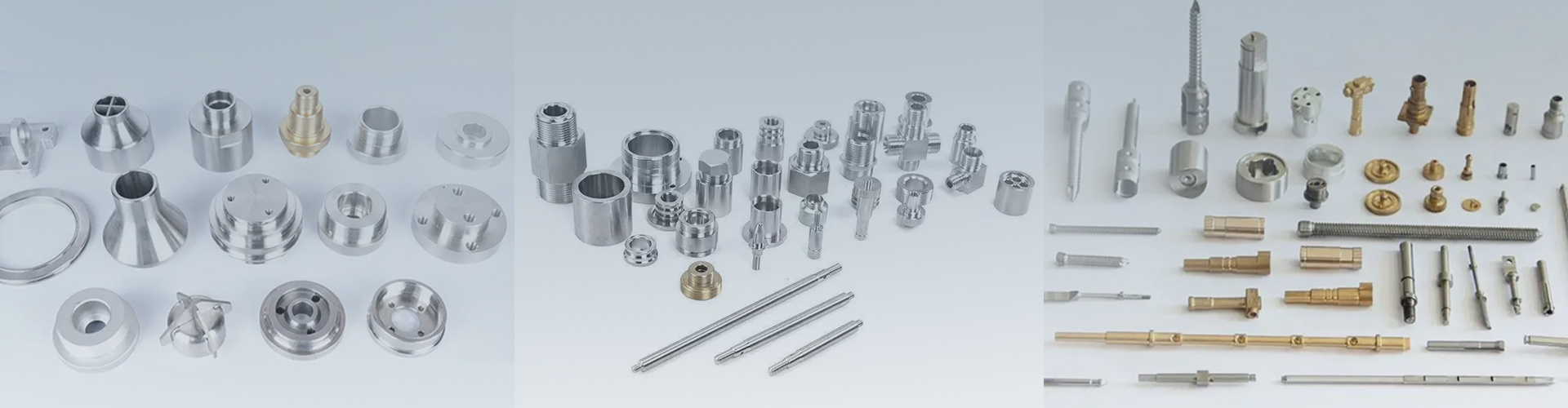
The Importance of Precision Parts in Manufacturing Processes
Published Time:
2026-07-04
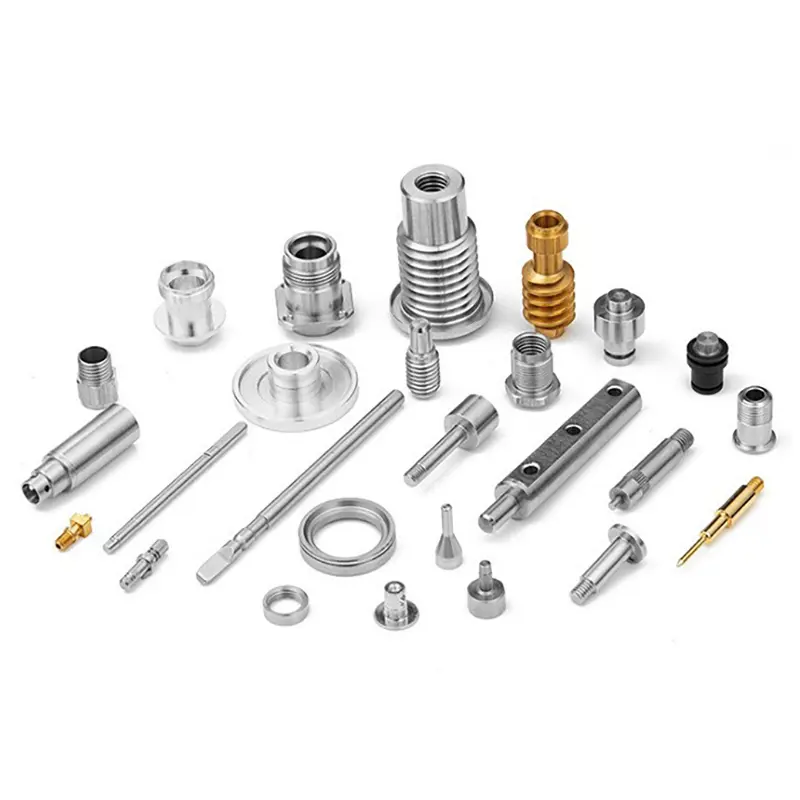
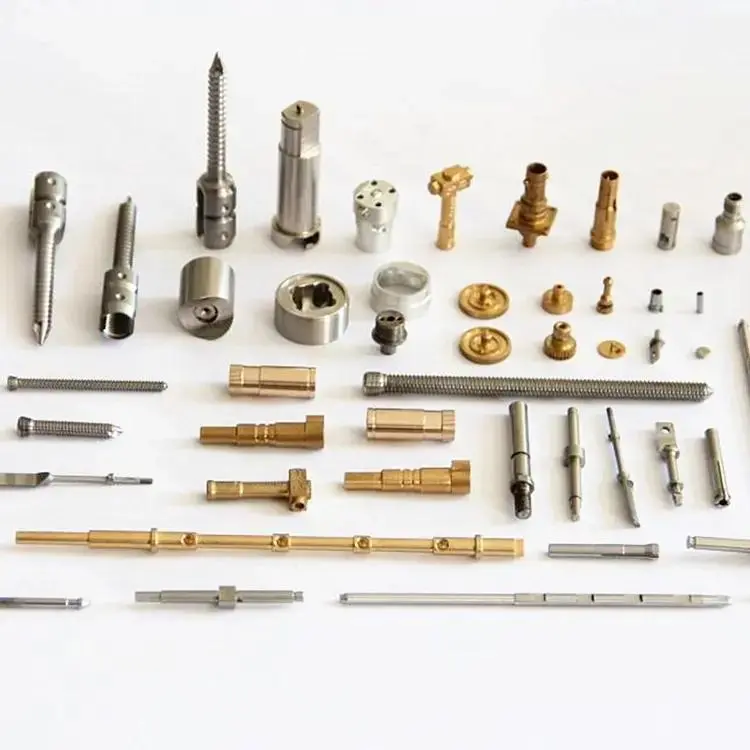
In today's highly competitive manufacturing landscape, the demand for precision parts is greater than ever. Precision parts refer to components that are manufactured to exact specifications, ensuring a high degree of accuracy and consistency. These parts are essential in various industries, particularly in mechanical processing and hardware manufacturing, where the reliability and performance of machinery depend heavily on the quality of the components used.
Precision machining is a crucial process in creating these parts. It involves the use of advanced machinery and technology to cut, shape, and finish materials with exceptional accuracy. This process minimizes tolerances and ensures that each part fits perfectly within its assembly, preventing issues such as misalignment, excessive wear, and potential breakdowns. For example, in the automotive industry, precision parts are vital for ensuring that engines and transmission systems function smoothly and efficiently.
One of the key benefits of precision parts is their ability to enhance product performance. When components are manufactured to precise dimensions, they contribute to the overall effectiveness of the machinery or device in which they are used. This is particularly important in high-performance applications, such as aerospace or medical devices, where even the slightest deviation can lead to catastrophic failure. High-quality precision parts can significantly reduce the risk of malfunctions and improve the lifespan of equipment, leading to lower maintenance costs and increased productivity.
Moreover, precision parts play a pivotal role in promoting sustainability within the manufacturing process. By producing components that fit perfectly, manufacturers can reduce material waste. This not only lowers production costs but also minimizes the environmental impact associated with excess scrap and discarded materials. As industries become more conscious of their ecological footprint, the demand for precision manufacturing techniques is likely to increase.
Furthermore, advancements in technology, such as computer numerical control (CNC) machining and additive manufacturing (3D printing), have revolutionized the way precision parts are produced. These technologies allow for complex designs to be realized with incredible accuracy, enabling manufacturers to meet the evolving needs of their customers. The integration of software solutions for design and simulation also enhances the ability to produce precision parts that meet specific requirements efficiently.
In conclusion, precision parts are integral to the success of modern manufacturing. They not only enhance the performance and reliability of machinery but also promote sustainability and efficiency in production processes. As the industry continues to evolve, understanding the significance of precision parts will be essential for manufacturers looking to maintain a competitive edge and deliver high-quality products. Embracing precision engineering is not just a trend; it is a necessity for anyone serious about success in manufacturing.
NewsCenter
 2026-10-10


Beijing Pafinal Precision Machinery Co., Ltd.
Email:sales@pafinal.com

Address: No. 239 Huanhe South Road, Tianjin Pilot Free Trade Zone (Airport Economic Zone), Tianjin
中企跨境-全域组件
制作前进入CSS配置样式
sales@pafinal.com:
Whatsapp:
在线客服添加返回顶部
图片alt标题设置: PAFINAL
表单验证提示文本: Content cannot be empty!
循环体没有内容时: Sorry,no matching items were found.
CSS / JS 文件放置地