

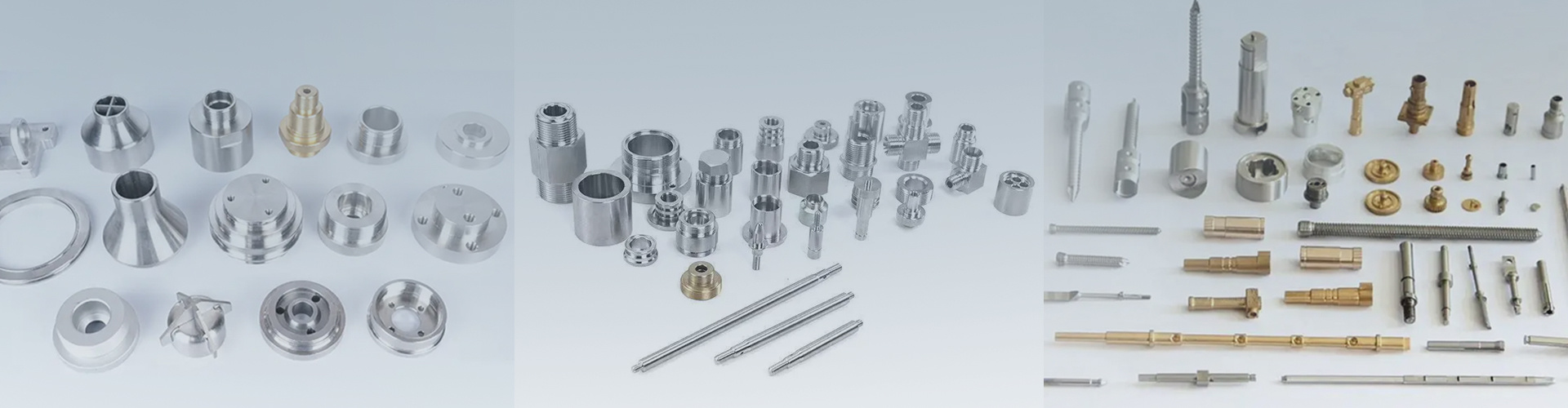
Understanding CNC Swiss Plastic Machined Parts: Revolutionizing Precision Manufacturing
Published Time:
2026-01-31
CNC Swiss plastic machined parts are gaining prominence in the manufacturing sector due to their precision and versatility. The CNC (Computer Numerical Control) Swiss machining process, originally developed for metal components, has adapted beautifully to the production of plastic parts. This technology allows for the automation of the machining process, ensuring high accuracy and repeatability, which is crucial in industries such as medical devices, automotive, and electronics.
One of the primary advantages of CNC Swiss plastic machining is the ability to produce complex geometries that would be challenging or impossible to achieve with traditional machining methods. The process involves rotating the workpiece while the cutting tool moves linearly, enabling the creation of intricate shapes with exceptional precision. Additionally, CNC Swiss machines can handle tight tolerances, which is essential for components that must fit seamlessly within larger systems.
Plastic materials, such as nylon, polycarbonate, and acetal, are often preferred for these parts due to their lightweight nature and resistance to various environmental factors, including corrosion and chemicals. Using plastics can reduce manufacturing costs while maintaining the performance characteristics required for specific applications. For instance, in the medical field, biocompatible plastics are essential for manufacturing components that come into contact with patients, ensuring safety and compliance with stringent regulations.
Furthermore, CNC Swiss plastic machined parts are ideal for high-volume production runs. The automated nature of CNC technology minimizes human error and enhances efficiency, resulting in quicker turnaround times. This efficiency is not only advantageous for manufacturers but also beneficial for end-users, as it allows for the rapid development and delivery of products to market.
The sustainability aspect of using plastic in manufacturing should also be considered. Many modern plastics are recyclable, and advancements in manufacturing processes are continually making it easier to create environmentally friendly products. By choosing CNC Swiss plastic machining, companies can contribute to reducing waste and promoting sustainable practices.
In conclusion, CNC Swiss plastic machined parts represent a significant advancement in precision manufacturing, combining the benefits of CNC technology with the versatility of plastic materials. Their ability to produce complex components with high accuracy and efficiency makes them invaluable in various industries. As manufacturing continues to evolve, the role of CNC Swiss plastic machining will undoubtedly expand, driving innovation and enhancing product quality across the board. Whether you are a manufacturer or an engineer, understanding the capabilities and advantages of this technology is essential for staying competitive in today’s fast-paced market.
One of the primary advantages of CNC Swiss plastic machining is the ability to produce complex geometries that would be challenging or impossible to achieve with traditional machining methods. The process involves rotating the workpiece while the cutting tool moves linearly, enabling the creation of intricate shapes with exceptional precision. Additionally, CNC Swiss machines can handle tight tolerances, which is essential for components that must fit seamlessly within larger systems.
Plastic materials, such as nylon, polycarbonate, and acetal, are often preferred for these parts due to their lightweight nature and resistance to various environmental factors, including corrosion and chemicals. Using plastics can reduce manufacturing costs while maintaining the performance characteristics required for specific applications. For instance, in the medical field, biocompatible plastics are essential for manufacturing components that come into contact with patients, ensuring safety and compliance with stringent regulations.
Furthermore, CNC Swiss plastic machined parts are ideal for high-volume production runs. The automated nature of CNC technology minimizes human error and enhances efficiency, resulting in quicker turnaround times. This efficiency is not only advantageous for manufacturers but also beneficial for end-users, as it allows for the rapid development and delivery of products to market.
The sustainability aspect of using plastic in manufacturing should also be considered. Many modern plastics are recyclable, and advancements in manufacturing processes are continually making it easier to create environmentally friendly products. By choosing CNC Swiss plastic machining, companies can contribute to reducing waste and promoting sustainable practices.
In conclusion, CNC Swiss plastic machined parts represent a significant advancement in precision manufacturing, combining the benefits of CNC technology with the versatility of plastic materials. Their ability to produce complex components with high accuracy and efficiency makes them invaluable in various industries. As manufacturing continues to evolve, the role of CNC Swiss plastic machining will undoubtedly expand, driving innovation and enhancing product quality across the board. Whether you are a manufacturer or an engineer, understanding the capabilities and advantages of this technology is essential for staying competitive in today’s fast-paced market.
NewsCenter
 2026-03-14


Beijing Pafinal Precision Machinery Co., Ltd.
Email:sales@pafinal.com

Address: No. 239 Huanhe South Road, Tianjin Pilot Free Trade Zone (Airport Economic Zone), Tianjin
中企跨境-全域组件
制作前进入CSS配置样式
sales@pafinal.com:
Whatsapp:
在线客服添加返回顶部
图片alt标题设置: PAFINAL
表单验证提示文本: Content cannot be empty!
循环体没有内容时: Sorry,no matching items were found.
CSS / JS 文件放置地