

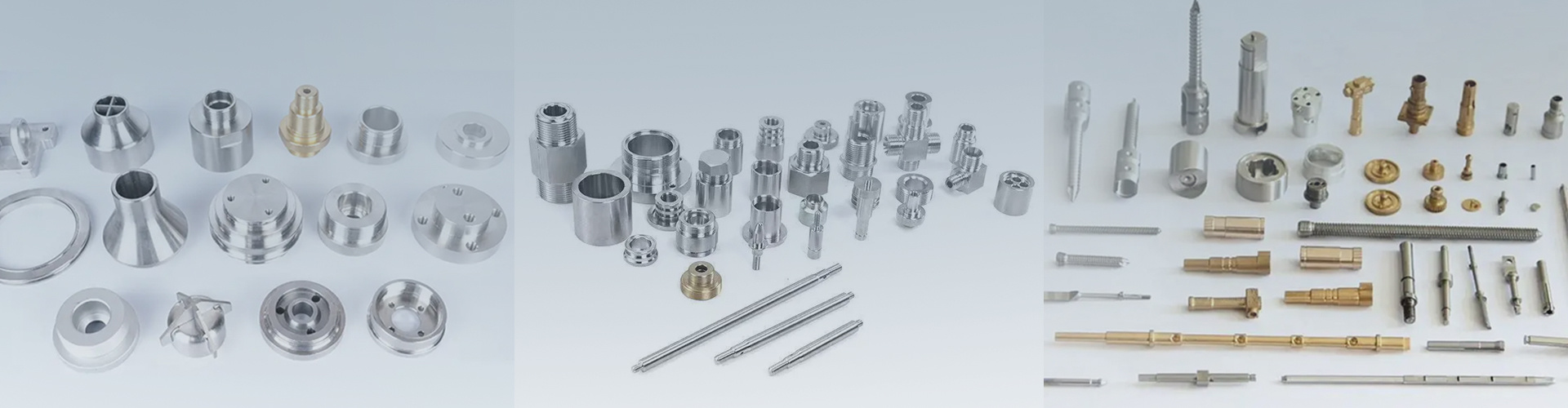
Stainless Steel Machined Parts – Precision Components for High-Performance Industries
Published Time:
2026-02-02
Stainless steel machined parts are precision-engineered components manufactured through advanced machining processes such as CNC turning, milling, drilling, and grinding. Made from various grades of stainless steel, these parts are widely valued for their excellent mechanical strength, corrosion resistance, dimensional accuracy, and long service life. They are essential in industries where reliability, hygiene, and performance are critical.
One of the key advantages of stainless steel machined parts is their outstanding corrosion resistance. Stainless steel contains chromium, which forms a passive protective layer on the surface, preventing rust and chemical attack. This makes machined stainless steel components suitable for harsh environments, including high humidity, chemical exposure, marine conditions, and outdoor applications. As a result, they are commonly used in chemical processing, oil and gas, marine engineering, and food production equipment.
Precision is another major benefit. Modern CNC machining technology allows stainless steel parts to be produced with tight tolerances and complex geometries. Whether manufacturing simple shafts and fasteners or intricate components with multiple features, CNC machining ensures high repeatability and consistency across large production volumes. This precision is critical for applications in aerospace, automotive, medical devices, and industrial automation, where even small deviations can affect system performance.
Stainless steel machined parts are available in a wide range of material grades, such as 304, 316, 316L, 410, and 420. Each grade offers different mechanical and chemical properties to meet specific application requirements. For example, 304 stainless steel provides excellent general corrosion resistance and formability, while 316 stainless steel offers enhanced resistance to chlorides and is often used in marine and medical environments. Martensitic grades like 410 and 420 provide higher hardness and wear resistance after heat treatment.
Surface finish options further enhance the functionality and appearance of stainless steel machined parts. Common finishes include polishing, brushing, passivation, electroplating, and sandblasting. These treatments can improve corrosion resistance, reduce friction, enhance cleanliness, or meet aesthetic requirements. In industries such as medical, food processing, and pharmaceuticals, smooth and cleanable surfaces are especially important to meet hygiene standards.
From a production standpoint, stainless steel machined parts can be customized according to drawings, samples, or technical specifications. Manufacturers can support both low-volume prototyping and high-volume mass production, offering flexible solutions for OEM and ODM projects. Quality control processes such as dimensional inspection, material certification, and surface testing ensure that each part meets strict industry standards.
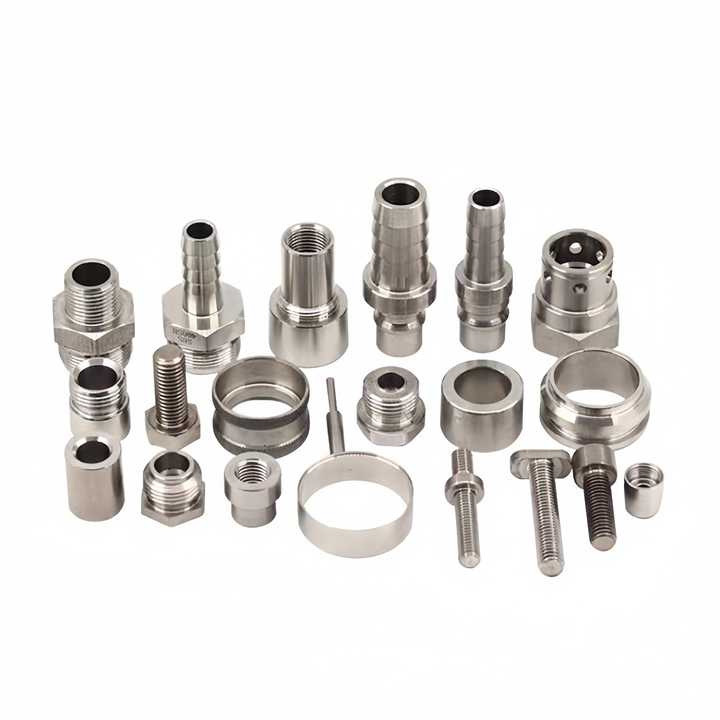
In practical applications, stainless steel machined parts are widely used in valves, pumps, connectors, fittings, brackets, housings, medical instruments, automotive components, and mechanical assemblies. Their combination of strength, durability, and resistance to corrosion makes them a preferred choice for demanding environments where long-term performance and safety are required.
In conclusion, stainless steel machined parts represent a reliable and versatile solution for modern manufacturing needs. With their superior material properties, high machining precision, and broad application range, they play a vital role in supporting high-performance systems across numerous industries.
NewsCenter
 2026-03-14


Beijing Pafinal Precision Machinery Co., Ltd.
Email:sales@pafinal.com

Address: No. 239 Huanhe South Road, Tianjin Pilot Free Trade Zone (Airport Economic Zone), Tianjin
sales@pafinal.com:
Whatsapp:
在线客服添加返回顶部
图片alt标题设置: PAFINAL
表单验证提示文本: Content cannot be empty!
循环体没有内容时: Sorry,no matching items were found.
CSS / JS 文件放置地