

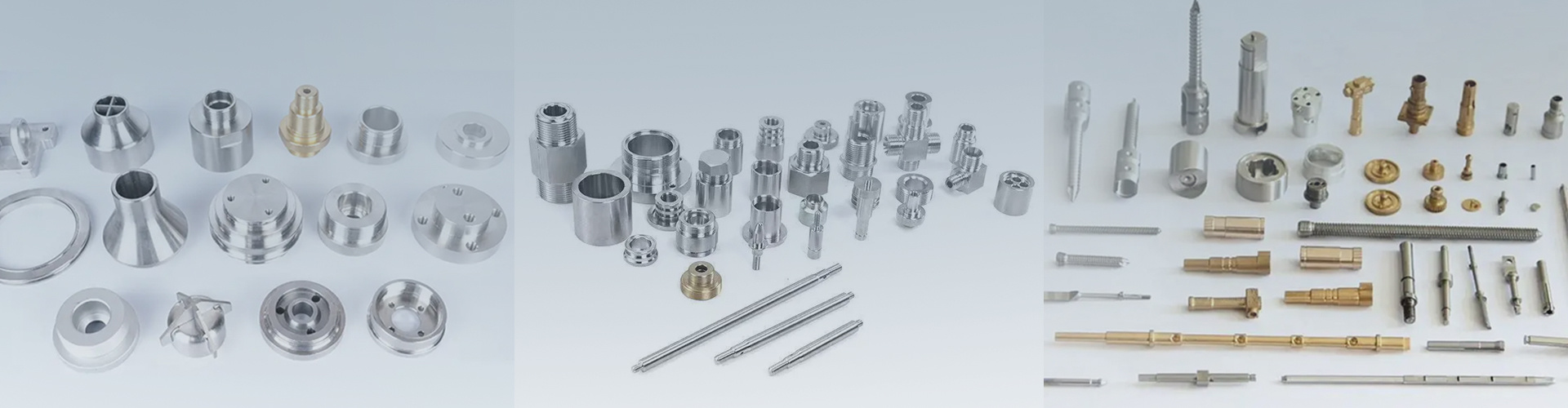
Understanding Machined Parts: Key Insights for Professionals in the Manufacturing Sector
Published Time:
2026-06-06
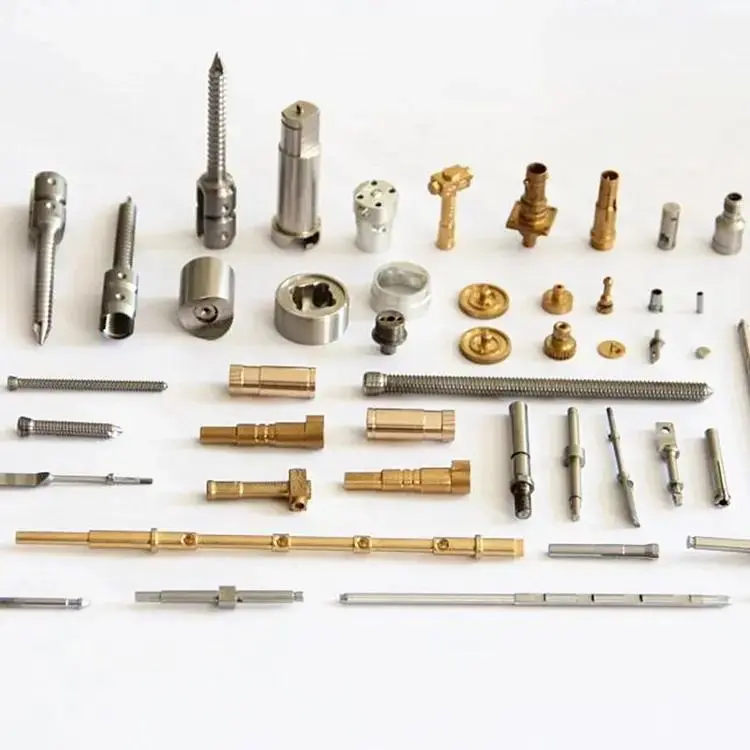
Machined parts play a pivotal role in the manufacturing and machining industry, representing a crucial component of many mechanical systems. These components are fabricated through precise machining processes, where material is removed from a solid block to achieve the desired shape, dimensions, and finish. Understanding the intricacies of machined parts can significantly improve production efficiency, product quality, and overall operational effectiveness.
The manufacturing of machined parts involves several methods, including turning, milling, drilling, and grinding. Each of these techniques serves unique purposes and is selected based on the specific requirements of the part being produced. For instance, turning is often used for cylindrical shapes, while milling is better suited for more complex geometries. The choice of machining process directly impacts tolerances, surface quality, and the physical properties of the final component.
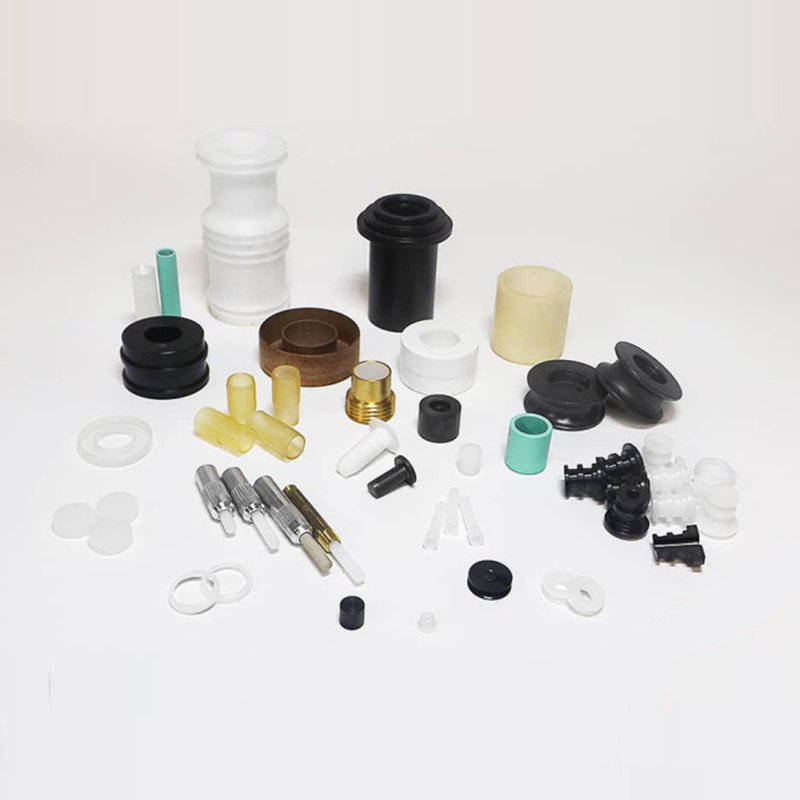
Material selection is another critical aspect of producing machined parts. Common materials include metals such as aluminum, steel, and titanium, as well as plastics and composites. Each material offers distinct characteristics, such as strength, weight, and corrosion resistance, which must be considered when designing machined components for specific applications. For example, aerospace applications may demand lightweight, high-strength materials, whereas automotive applications might prioritize cost-effectiveness and durability.
In addition to manufacturing techniques and material selection, understanding the specifications and tolerances of machined parts is essential for professionals. Tolerances define the allowable variation in dimensions and can significantly affect the performance and interchangeability of the parts. Adhering to tight tolerances ensures that components function correctly within assemblies, avoiding potential failures and costly downtime.
Quality control measures are vital in the production of machined parts. Techniques such as CMM (Coordinate Measuring Machine) inspection and surface finish testing help ensure that each part meets the specified requirements. Implementing robust quality assurance processes not only enhances product reliability but also reinforces customer trust in the manufacturing capabilities of a company.
Finally, staying informed about the latest advancements in machining technologies, such as CNC (Computer Numerical Control) machines and additive manufacturing, can provide a competitive edge in the industry. These innovations enhance precision, reduce lead times, and allow for the production of complex geometries that were previously unachievable.
In conclusion, a thorough understanding of machined parts is essential for professionals in the manufacturing sector. By grasping the fundamental processes, materials, specifications, and quality control practices associated with machined components, manufacturers can optimize their operations and deliver high-quality products that meet the demands of diverse industries.
The manufacturing of machined parts involves several methods, including turning, milling, drilling, and grinding. Each of these techniques serves unique purposes and is selected based on the specific requirements of the part being produced. For instance, turning is often used for cylindrical shapes, while milling is better suited for more complex geometries. The choice of machining process directly impacts tolerances, surface quality, and the physical properties of the final component.
Material selection is another critical aspect of producing machined parts. Common materials include metals such as aluminum, steel, and titanium, as well as plastics and composites. Each material offers distinct characteristics, such as strength, weight, and corrosion resistance, which must be considered when designing machined components for specific applications. For example, aerospace applications may demand lightweight, high-strength materials, whereas automotive applications might prioritize cost-effectiveness and durability.
In addition to manufacturing techniques and material selection, understanding the specifications and tolerances of machined parts is essential for professionals. Tolerances define the allowable variation in dimensions and can significantly affect the performance and interchangeability of the parts. Adhering to tight tolerances ensures that components function correctly within assemblies, avoiding potential failures and costly downtime.
Quality control measures are vital in the production of machined parts. Techniques such as CMM (Coordinate Measuring Machine) inspection and surface finish testing help ensure that each part meets the specified requirements. Implementing robust quality assurance processes not only enhances product reliability but also reinforces customer trust in the manufacturing capabilities of a company.
Finally, staying informed about the latest advancements in machining technologies, such as CNC (Computer Numerical Control) machines and additive manufacturing, can provide a competitive edge in the industry. These innovations enhance precision, reduce lead times, and allow for the production of complex geometries that were previously unachievable.
In conclusion, a thorough understanding of machined parts is essential for professionals in the manufacturing sector. By grasping the fundamental processes, materials, specifications, and quality control practices associated with machined components, manufacturers can optimize their operations and deliver high-quality products that meet the demands of diverse industries.
Previous Page
Previous Page
NewsCenter
 2026-06-06

Beijing Pafinal Precision Machinery Co., Ltd.
Email:sales@pafinal.com

Address: No. 239 Huanhe South Road, Tianjin Pilot Free Trade Zone (Airport Economic Zone), Tianjin
中企跨境-全域组件
制作前进入CSS配置样式
sales@pafinal.com:
Whatsapp:
在线客服添加返回顶部
图片alt标题设置: PAFINAL
表单验证提示文本: Content cannot be empty!
循环体没有内容时: Sorry,no matching items were found.
CSS / JS 文件放置地