

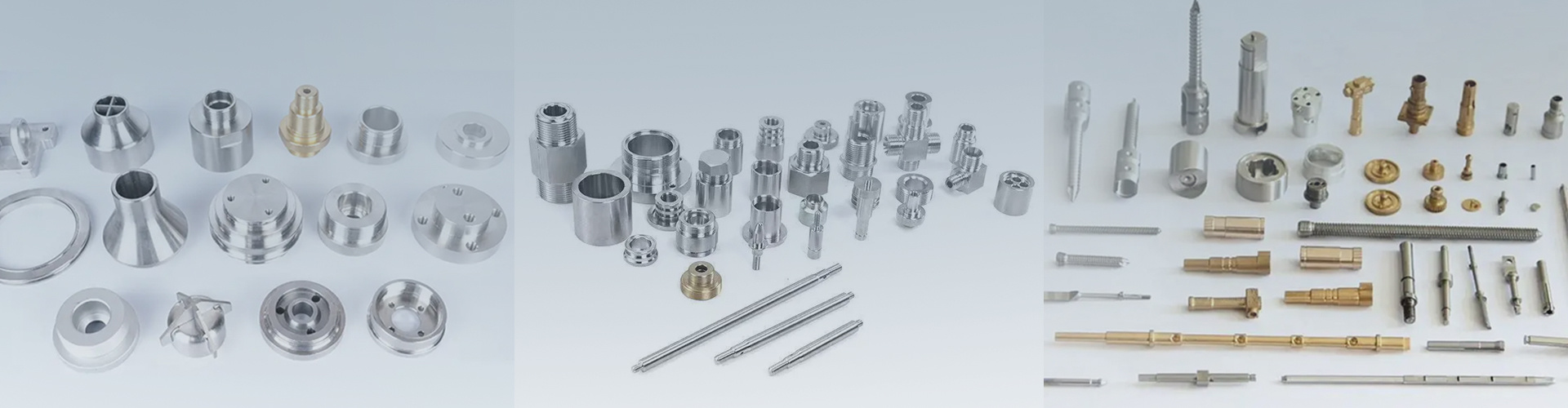
Exploring the Versatile Applications of CNC Machining Parts Across Diverse Industries
Published Time:
2026-05-16
Common Applications of CNC Machining Parts in Various Industries
Introduction to CNC Machining
CNC (Computer Numerical Control) machining has revolutionized the manufacturing landscape, enabling precise and efficient production of complex parts. This technology is integral to various industries, providing solutions that enhance productivity, accuracy, and flexibility. By utilizing computer-controlled machines, manufacturers can create intricate designs with minimal human intervention, making CNC machining a cornerstone of modern production methods.
Understanding the Technology Behind CNC Machining
CNC machining involves the use of computer programs to control machine tools in the manufacturing process. These tools can include lathes, mills, routers, and plasma cutters. The key benefits of CNC machining include:
- **Precision**: CNC machines can produce parts to exact specifications with minimal deviation.
- **Reproducibility**: Once a design is programmed, it can be replicated with consistent quality.
- **Complexity**: CNC machining can create intricate shapes and designs that are difficult or impossible to achieve with manual machining.
- **Efficiency**: Automated processes reduce production time and labor costs.
The Importance of CNC Machining Parts in Various Industries
CNC machining parts are utilized in a plethora of industries, each requiring unique specifications and capabilities. Below, we explore some of the most common applications in diverse sectors.
Aerospace Industry
The aerospace industry demands the highest standards of precision and reliability, making CNC machining essential for manufacturing components such as:
- **Airframe Parts**: CNC machining is used to create lightweight and durable airframe components that meet strict regulatory standards.
- **Engine Components**: From turbine blades to fuel injectors, CNC parts are critical in ensuring engine efficiency and safety.
- **Interior Components**: Custom-designed fittings and fixtures for aircraft interiors often rely on CNC machining for accurate and aesthetic appeal.
Automotive Industry
In the automotive sector, CNC machining plays a vital role in producing high-performance parts. Key applications include:
- **Engine Parts**: Components such as cylinder heads, pistons, and crankshafts benefit from the precision of CNC machining.
- **Transmission Components**: Gears and shafts are often produced using CNC methods to ensure optimal performance and durability.
- **Custom Accessories**: Car enthusiasts frequently seek unique designs for parts like wheel rims and interior trim, which can be achieved through CNC machining.
Medical Industry
The medical field utilizes CNC machining for creating complex, precise components that meet strict safety standards:
- **Surgical Instruments**: High precision is required for tools such as scalpels and clamps, necessitating CNC technology.
- **Prosthetics**: Customized prosthetic limbs and implants are designed using CNC machining to ensure comfort and functionality.
- **Medical Devices**: Critical devices such as pacemakers and diagnostic equipment rely on precisely machined parts.
Electronics Industry
CNC machining is pivotal in the electronics industry, where precision and completeness are critical:
- **Enclosures**: CNC machining allows for intricate designs in electronic enclosures, ensuring proper fit and function.
- **Connectors and Components**: Small, complex parts such as connectors are produced using CNC methods to achieve the necessary precision.
- **Heat Sinks**: Efficient heat dissipation is crucial in electronics, and CNC machining allows for the creation of custom heat sinks with optimal designs.
Robotics Industry
The robotics sector has seen explosive growth, with CNC machining providing critical parts for various robotic applications:
- **Structural Components**: The framework of robots often relies on CNC machined parts to ensure strength and stability.
- **Precision Gears and Motors**: CNC machining creates gears and motor components that facilitate smooth operation.
- **Custom Tooling**: Specialized tools and attachments for robots are developed through CNC machining techniques.
Energy Sector
CNC machining is essential in the energy sector, particularly in renewable energy technologies:
- **Wind Turbine Parts**: Components such as blades and gearboxes require high precision to maximize efficiency and durability.
- **Solar Panel Mounting Systems**: CNC machined parts are used to create robust mounting systems that can withstand environmental stress.
- **Oil and Gas Components**: Critical fittings and valves are produced using CNC machining to ensure safety and reliability.
Benefits of CNC Machining Across Industries
The advantages of CNC machining extend beyond precision and efficiency. Here are some added benefits that make it a preferred choice across various sectors:
Cost-Effectiveness
While the initial investment in CNC machinery can be significant, the long-term savings in labor costs, material waste, and production time make it a cost-effective solution for manufacturers.
Flexibility and Customization
CNC machines can be easily reprogrammed for different projects, allowing manufacturers to adapt quickly to changing demands and create customized parts without significant downtime.
Reduced Lead Times
The automation of CNC machining leads to faster production cycles, reducing lead times and allowing businesses to meet tight deadlines and customer demands more effectively.
Enhanced Safety
By minimizing the need for manual handling, CNC machining reduces the risk of workplace accidents, contributing to a safer manufacturing environment.
Choosing the Right CNC Machining Process
Selecting the appropriate CNC machining process depends on various factors, including the material, complexity of the part, and production volume. Here are some common CNC machining processes:
Milling
CNC milling involves the use of rotating tools to remove material from a workpiece. It is ideal for creating complex shapes and features.
Turning
CNC turning is a process where a workpiece is rotated while a cutting tool removes material. It is often used for cylindrical parts.
EDM (Electrical Discharge Machining)
EDM uses electrical discharges to remove material and is particularly effective for hard materials and intricate designs.
3D Printing Integration
In some cases, CNC machining is integrated with 3D printing technologies to create hybrid parts that combine the strengths of both processes.
Future Trends in CNC Machining
As technology evolves, so does CNC machining. Here are some future trends to watch:
Automation and AI Integration
The integration of AI and robotics is expected to enhance automation in CNC machining, leading to even greater efficiency and precision.
Advanced Materials
The development of new materials will open up possibilities for CNC machining, allowing for the production of lighter and stronger components.
Sustainability Practices
As industries move toward more sustainable practices, CNC machining will adapt to include eco-friendly materials and energy-efficient processes.
Frequently Asked Questions (FAQs)
What is CNC machining?
CNC machining is a manufacturing process that uses computer-controlled machines to create precise parts by removing material from a workpiece.
What industries utilize CNC machining parts?
CNC machining is used in various industries, including aerospace, automotive, medical, electronics, robotics, and energy sectors.
What are the benefits of using CNC machining?
The benefits include high precision, reproducibility, efficiency, flexibility, and reduced lead times.
How does CNC machining ensure quality control?
CNC machines can produce parts to exact specifications, and advanced technologies often incorporate real-time monitoring to maintain quality during production.
What materials can be used in CNC machining?
CNC machining can work with various materials, including metals, plastics, and composites, making it highly versatile across industries.
Conclusion
CNC machining has become an integral part of modern manufacturing, providing unmatched precision, efficiency, and versatility across various industries. As technology continues to advance, the applications of CNC machining parts will only expand, driving innovation and enabling manufacturers to meet the growing demands of the market. Understanding the common applications and benefits of CNC machining can empower businesses to harness this technology for their production needs, ensuring they remain competitive in a rapidly evolving landscape.
NewsCenter
 2026-06-27
Beijing Pafinal Precision Machinery Co., Ltd.
Email:sales@pafinal.com

Address: No. 239 Huanhe South Road, Tianjin Pilot Free Trade Zone (Airport Economic Zone), Tianjin
中企跨境-全域组件
制作前进入CSS配置样式
sales@pafinal.com:
Whatsapp:
在线客服添加返回顶部
图片alt标题设置: PAFINAL
表单验证提示文本: Content cannot be empty!
循环体没有内容时: Sorry,no matching items were found.
CSS / JS 文件放置地