

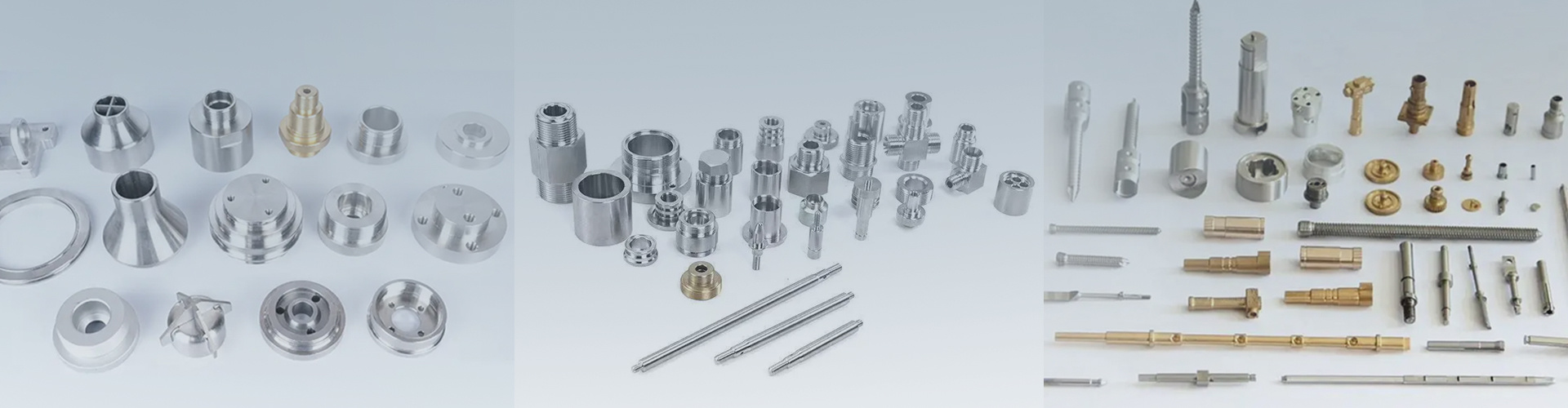
Cost-Effective Solutions: Using CNC Machining Parts in Production
Published Time:
2026-09-05
Cost-Effective Solutions: Using CNC Machining Parts in Production
Table of Contents
- Introduction to CNC Machining
- Understanding CNC Machining
- Benefits of Using CNC Machining Parts
- Applications of CNC Machining in Production
- Cost-Effectiveness of CNC Machining
- Key Factors to Ensure Success with CNC Machining
- Common Misconceptions about CNC Machining
- Frequently Asked Questions
- Conclusion
Introduction to CNC Machining
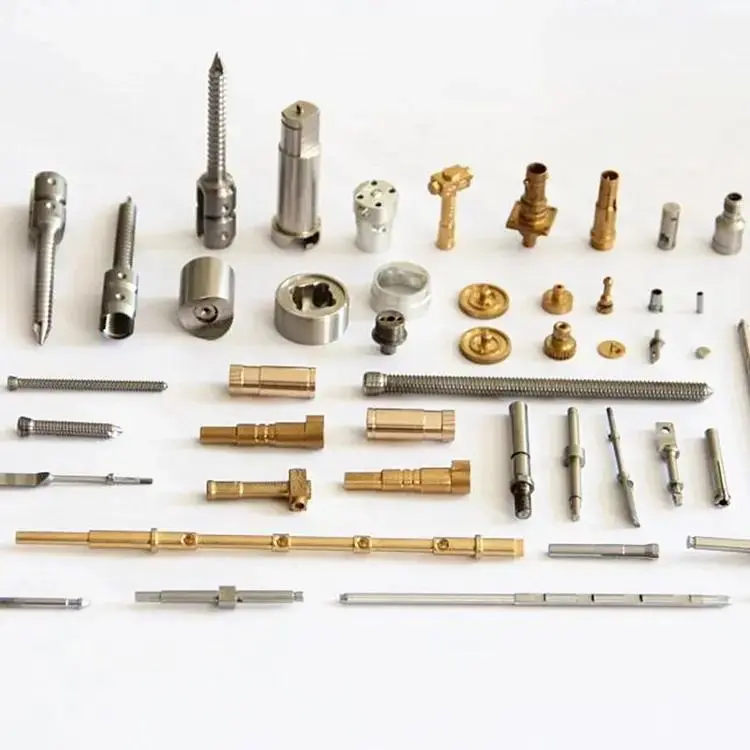
In the ever-evolving landscape of manufacturing, CNC (Computer Numerical Control) machining has emerged as a pivotal technology. This process utilizes computer systems to control machine tools, such as lathes, mills, and grinders, facilitating the creation of precise and complex parts. As industries strive for increased efficiency and reduced costs, CNC machining stands out as a cost-effective solution that enhances production capabilities.
Understanding CNC Machining
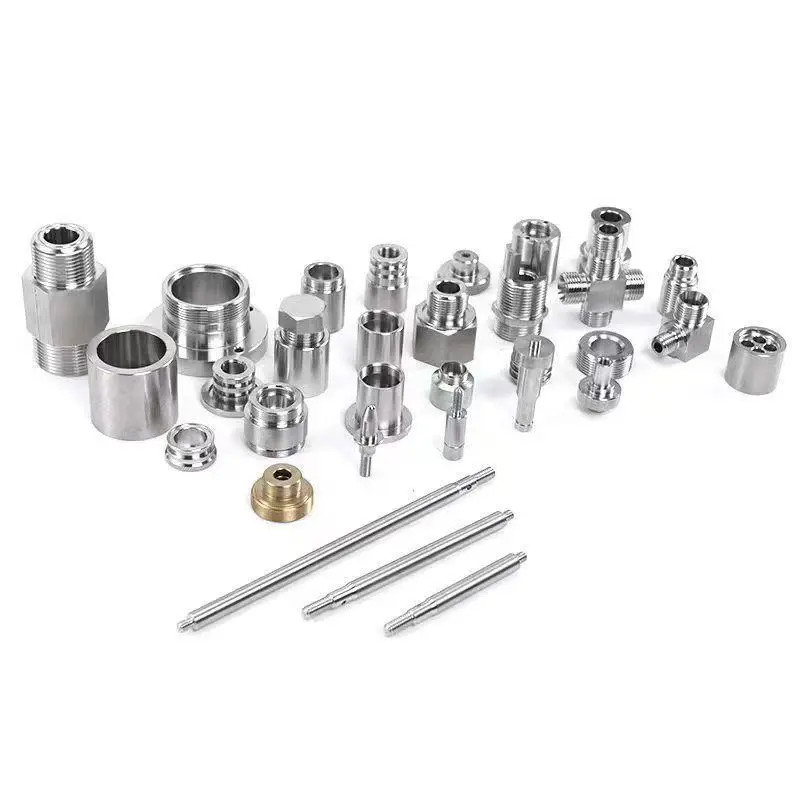
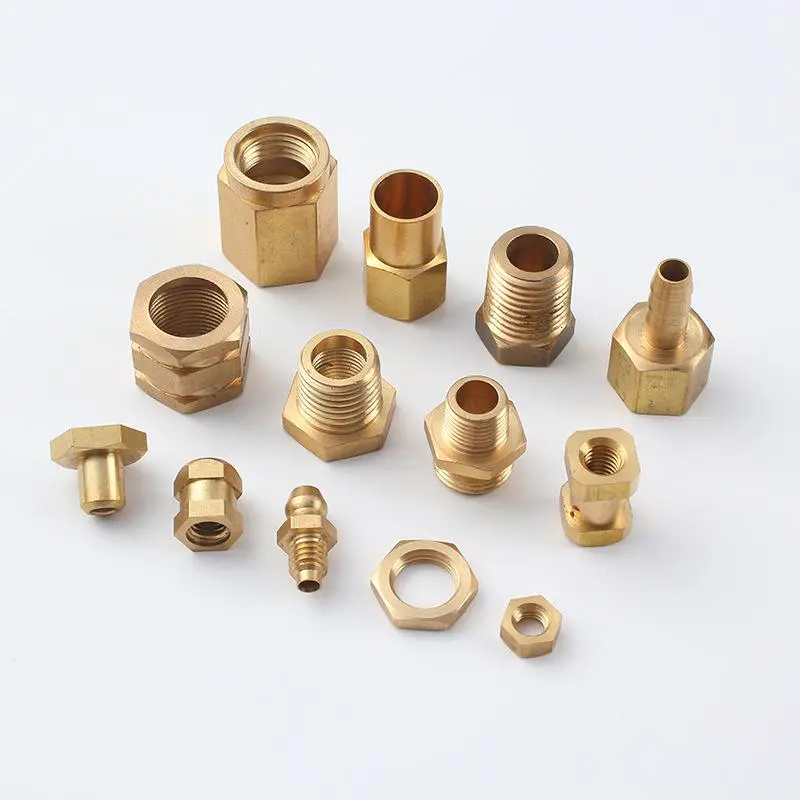
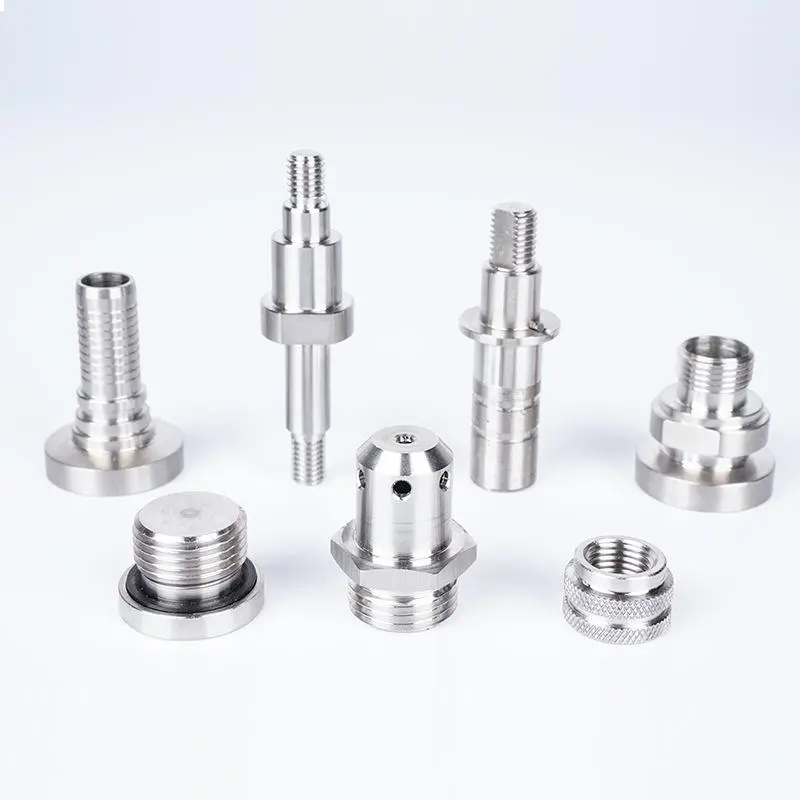
CNC machining refers to a manufacturing process where pre-programmed computer software dictates the movement of factory tools and machines. This method allows for high levels of accuracy and repeatability, making it ideal for producing intricate parts in various materials, including metals, plastics, and composites.
The CNC machining process typically involves the following steps:
- Design: Using CAD (Computer-Aided Design) software to create a detailed design of the part.
- Programming: Translating the CAD design into a CNC program that specifies the machining operations.
- Machining: The CNC machine executes the program to cut, shape, or finish the material.
- Quality Control: Inspecting the finished parts to ensure they meet the required specifications.
Benefits of Using CNC Machining Parts
Integrating CNC machining into production processes comes with numerous benefits, including:
1. Enhanced Precision and Accuracy
CNC machines operate with a high degree of precision, often accurate to within thousandths of an inch. This level of accuracy is essential for industries where even the slightest deviation can lead to significant issues, such as in aerospace or medical device manufacturing.
2. Increased Productivity
CNC machining can operate continuously without the need for frequent breaks, which significantly increases productivity. Additionally, once a program is developed, it can be reused for mass production, further streamlining the manufacturing process.
3. Flexibility in Design
One of the most significant advantages of CNC machining is its ability to produce complex shapes and designs that would be impossible or impractical with traditional machining methods. This flexibility allows manufacturers to innovate and adapt to changing market demands quickly.
4. Reduced Waste
CNC machining is highly efficient, resulting in minimal material waste. The precision of the machines ensures that the exact amount of material is used, reducing costs associated with leftover scrap.
5. Lower Labor Costs
While the initial investment in CNC machinery can be substantial, the reduced need for manual labor can lead to lower overall labor costs in the long run. Skilled operators can oversee multiple machines, maximizing efficiency.
Applications of CNC Machining in Production
CNC machining has a multitude of applications across various industries, including but not limited to:
1. Aerospace Industry
In aerospace, components must meet stringent safety and performance standards. CNC machining provides the precision required for parts like engine mounts and airframe components.
2. Automotive Manufacturing
The automotive sector relies heavily on CNC machining for producing complex engine parts, transmission components, and interior fittings, ensuring high performance and safety.
3. Medical Device Production
The medical device industry demands high precision and reliability. CNC machining allows for the production of intricate surgical instruments and implants that meet strict regulatory requirements.
4. Electronics Manufacturing
CNC machining is used to create components for electronic devices, including housings and circuit boards, where precision and accuracy are crucial for functionality.
5. General Manufacturing
CNC machining solutions are applicable in various manufacturing processes, from creating custom parts for machinery to producing prototypes for new products.
Cost-Effectiveness of CNC Machining
Cost-effectiveness is a critical factor for many manufacturers considering CNC machining. The initial investment might be high, but the long-term savings and advantages typically outweigh these costs.
1. Reduced Production Time
CNC machining significantly reduces the time taken to produce parts. With the capability to run multiple machines simultaneously, manufacturers can expedite their production cycles.
2. Minimization of Errors and Rework
Human error is often a significant factor in manufacturing inefficiencies. With CNC machining, the likelihood of errors is drastically reduced, leading to fewer defective parts and less rework.
3. Scalability
CNC machining systems are inherently scalable. As demand increases, production can be ramped up without the need to invest in additional workforce or facilities.
4. Long-Term Investment
CNC machines are built to last, and with proper maintenance, they can serve manufacturers for many years. This longevity contributes to a lower cost per part over time.
Key Factors to Ensure Success with CNC Machining
To maximize the benefits of CNC machining, certain factors need to be considered:
1. Quality of Materials
Using high-quality raw materials is essential for producing superior CNC machined parts. The type of material affects durability, functionality, and overall performance.
2. Skilled Operators
While CNC machines reduce reliance on manual labor, skilled operators are still necessary to manage and optimize the machining process. Investing in training and development for staff is crucial.
3. Regular Maintenance
Regular maintenance of CNC machines is vital to ensuring consistent performance and longevity. A well-maintained machine reduces the risk of breakdowns and production delays.
4. Advanced Software
Utilizing advanced software for design and programming can enhance the overall efficiency of the CNC machining process. Keeping software updated ensures compatibility with various machine tools.
Common Misconceptions about CNC Machining
Despite its many advantages, there are several misconceptions surrounding CNC machining:
1. CNC Machining is Only for Large Industries
Many believe that CNC machining is only feasible for large-scale manufacturers. In reality, small and medium enterprises can also benefit from CNC technology by optimizing production processes and reducing costs.
2. CNC Machining is Too Expensive
While the upfront investment can be significant, the long-term savings and efficiency gains often justify the costs. The reduction in labor and material waste can lead to a better return on investment.
3. It Requires Extensive Technical Knowledge
While understanding CNC programming is beneficial, many modern CNC machines come with user-friendly interfaces that simplify operation, making it accessible for operators with various skill levels.
4. CNC Machining is Not Suitable for Small Batch Production
CNC machining excels in both high-volume and low-volume production. The setup process can be efficient for smaller batches, allowing manufacturers to produce custom parts without excessive costs.
Frequently Asked Questions
1. What materials can be used in CNC machining?
CNC machining is versatile and can work with various materials, including metals (aluminum, steel, titanium), plastics (acrylic, nylon), and composites.
2. How does CNC machining compare to traditional machining methods?
CNC machining offers greater precision, efficiency, and flexibility compared to traditional methods. It reduces human error and can produce complex parts with minimal waste.
3. Is CNC machining suitable for prototype development?
Yes, CNC machining is excellent for prototype development, allowing for rapid iterations and adjustments to designs without the need for extensive retooling.
4. What industries benefit the most from CNC machining?
CNC machining is beneficial across various industries, including aerospace, automotive, medical devices, electronics, and general manufacturing.
5. Can small businesses afford CNC machining?
Yes, many small businesses invest in CNC machining as it can enhance productivity and reduce costs in the long term, making it a worthwhile investment.
Conclusion
CNC machining represents a transformative approach to production, delivering a unique blend of precision, efficiency, and cost-effectiveness. As industries increasingly seek innovative solutions to enhance their manufacturing processes, the adoption of CNC machining parts is gaining momentum. By understanding its benefits and applications, manufacturers can harness the power of CNC technology to streamline operations, improve product quality, and reduce costs. Embracing CNC machining not only prepares businesses for the future but also positions them to compete effectively in a rapidly evolving market.
Previous Page
 2026-09-05
Beijing Pafinal Precision Machinery Co., Ltd.
Email:sales@pafinal.com

Address: No. 239 Huanhe South Road, Tianjin Pilot Free Trade Zone (Airport Economic Zone), Tianjin
中企跨境-全域组件
制作前进入CSS配置样式
sales@pafinal.com:
Whatsapp:
在线客服添加返回顶部
图片alt标题设置: PAFINAL
表单验证提示文本: Content cannot be empty!
循环体没有内容时: Sorry,no matching items were found.
CSS / JS 文件放置地