

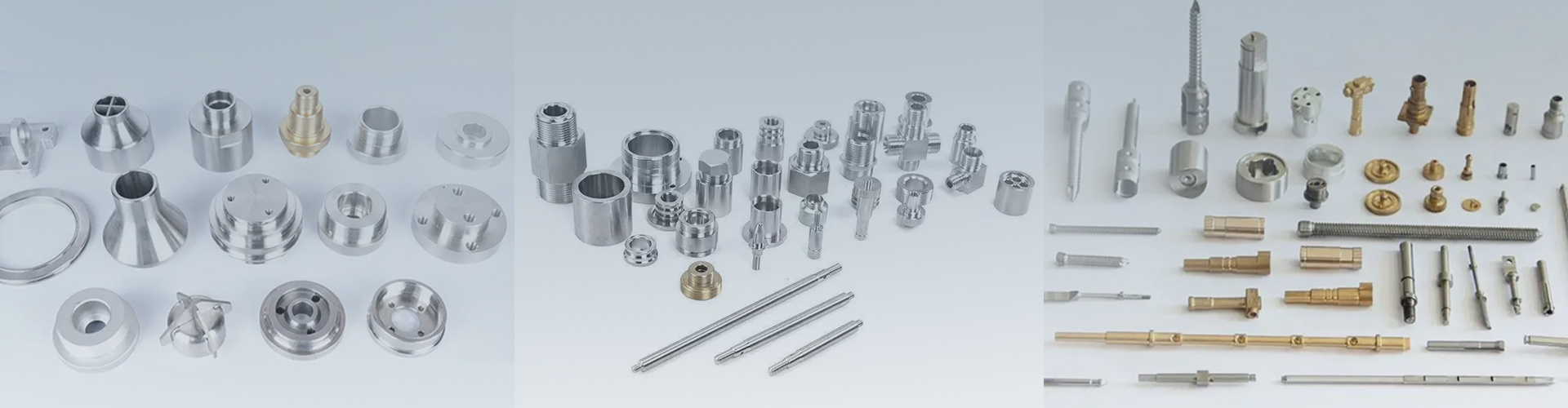
High-Precision Parts Enabling Advanced Performance Across Modern Engineering Industries
Published Time:
2025-12-02
Precision parts are essential components used throughout modern engineering, manufacturing, and technology-driven industries, providing the accuracy, stability, and reliability required for high-performance systems. Produced through advanced machining, molding, stamping, grinding, and fabrication processes, these components are designed to meet extremely tight tolerances and strict dimensional specifications. Their consistent quality and refined structural integrity ensure dependable functionality in applications ranging from aerospace and automotive engineering to medical devices, electronics, robotics, and industrial machinery.
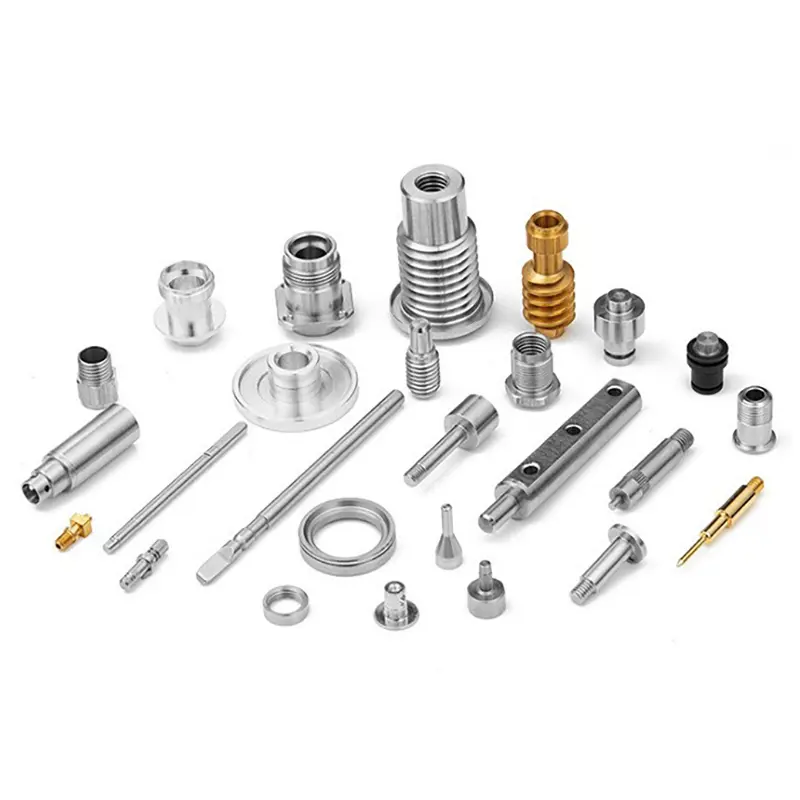
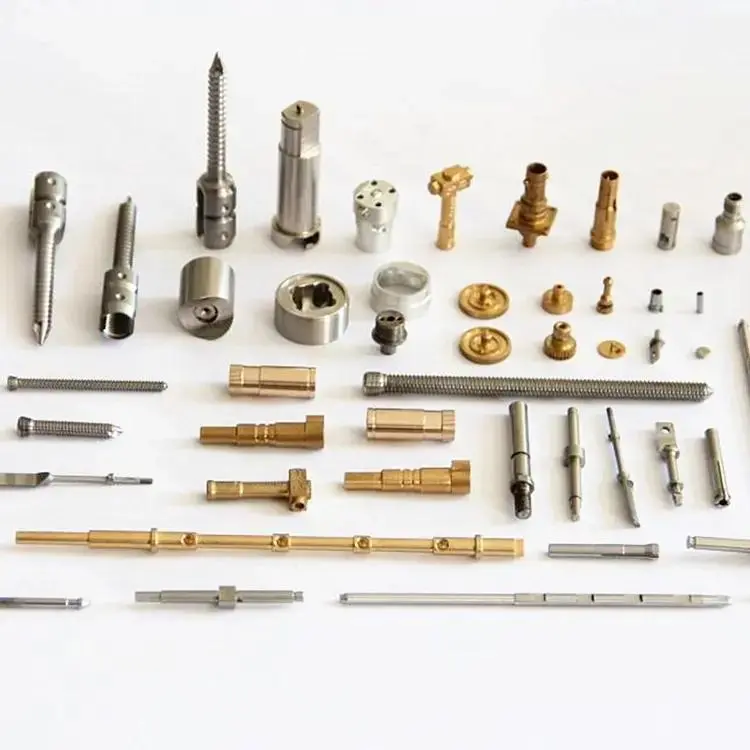
At the core of precision part manufacturing is an uncompromising focus on accuracy. Modern production facilities rely on CNC machining, multi-axis turning, EDM processing, laser cutting, micro-machining, and precision grinding to achieve tolerances that can reach micrometer or even sub-micrometer levels. Such precise dimensional control is essential for components that must fit seamlessly into sophisticated mechanical systems, ensuring smooth motion, proper sealing, structural stability, and long-term performance. Whether manufacturing shafts, gears, bushings, fasteners, housings, electronic connectors, or miniature mechanical assemblies, precision engineering ensures that each part performs exactly as intended.
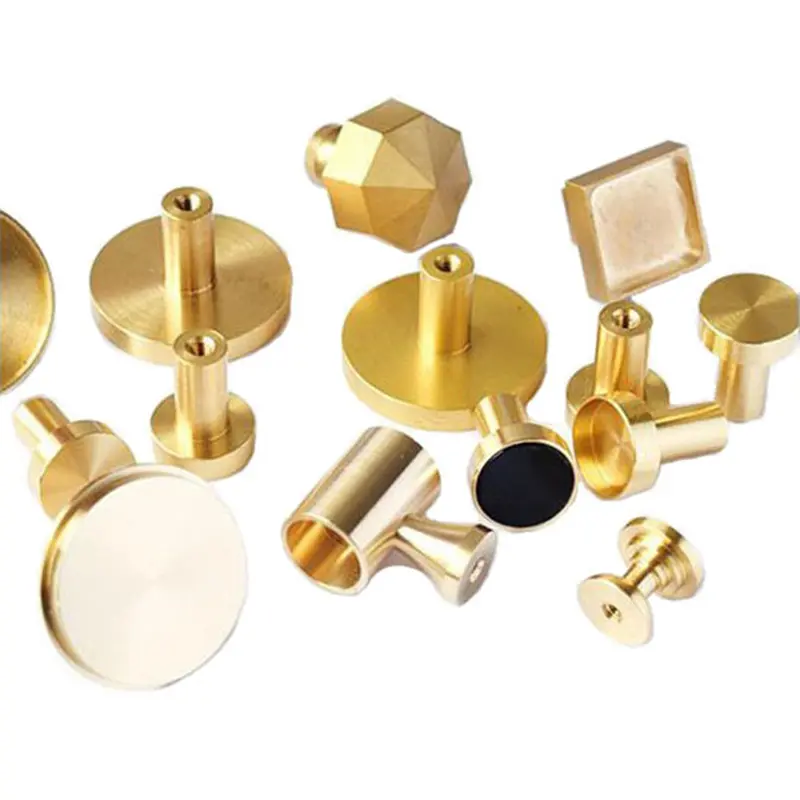
Material selection plays a critical role in the production of precision parts. Depending on application requirements, components may be made from high-grade aluminum, stainless steel, titanium, brass, engineering plastics, ceramics, or composite materials. Each material offers specific benefits—lightweight strength, corrosion resistance, thermal stability, biocompatibility, electrical insulation, or high wear resistance—allowing engineers to match materials precisely to performance demands. For example, medical implants require biocompatible titanium alloys, while aerospace components often use high-strength aluminum or advanced composites for weight reduction and superior durability.
Surface quality is also a defining feature of precision parts. High-grade surfaces reduce friction, improve wear resistance, and ensure effective interaction between moving components. Processes such as polishing, anodizing, plating, heat treatment, passivation, coating, and laser surface finishing enhance strength, corrosion resistance, electrical conductivity, and aesthetic appearance. In industries like optics, electronics, and medical instruments, ultra-smooth surfaces are essential for sensitive performance requirements and long-term reliability.
Inspection and quality assurance are critical elements of precision part manufacturing. Coordinate measuring machines (CMMs), optical projectors, surface roughness testers, digital micrometers, and automated inspection systems verify dimensional accuracy and consistency for every batch. Statistical process control, production traceability, and rigorous testing protocols ensure that components meet international standards such as ISO, ASME, ASTM, or aerospace-grade certifications. These quality measures guarantee stability and performance even in demanding environments such as high-temperature machinery, heavy-load mechanical systems, or mission-critical aerospace operations.
Precision parts also play a major role in innovation and technological advancement. As industries shift toward automation, miniaturization, electrification, and digital control, the demand for components with higher precision, lighter weight, and better mechanical performance continues to grow. In robotics, precise mechanical interfaces enable smooth motion and accurate positioning. In medical devices, precision components ensure safety, reliability, and biocompatibility. In automotive engineering, precision parts support engine efficiency, electric motor performance, braking systems, and driving stability.
Customization and flexibility in manufacturing further enhance the value of precision parts. Modern CNC and digital fabrication technologies allow rapid prototyping, small-batch production, and large-scale manufacturing with the same level of accuracy. Manufacturers can quickly transform CAD designs into physical components, enabling fast development cycles and the ability to accommodate unique client requirements, such as specialized geometries, advanced materials, or functional coatings.
Durability and long-term performance are equally important. Precision parts are engineered to withstand mechanical stress, vibration, temperature changes, chemical exposure, and continuous operation. Their structural integrity ensures minimal wear, reduced maintenance, and extended service life, contributing to overall system efficiency and reliability.
In summary, precision parts form the foundation of high-performance machines and technologies across countless industries. With their exceptional dimensional accuracy, superior material characteristics, refined surface quality, and reliability under demanding conditions, these components support innovation and technological progress. As manufacturing capabilities continue advancing, precision parts will remain indispensable in building efficient, safe, and high-quality engineering systems.
NewsCenter
 2026-10-10


Beijing Pafinal Precision Machinery Co., Ltd.
Email:sales@pafinal.com

Address: No. 239 Huanhe South Road, Tianjin Pilot Free Trade Zone (Airport Economic Zone), Tianjin
sales@pafinal.com:
Whatsapp:
在线客服添加返回顶部
图片alt标题设置: PAFINAL
表单验证提示文本: Content cannot be empty!
循环体没有内容时: Sorry,no matching items were found.
CSS / JS 文件放置地