

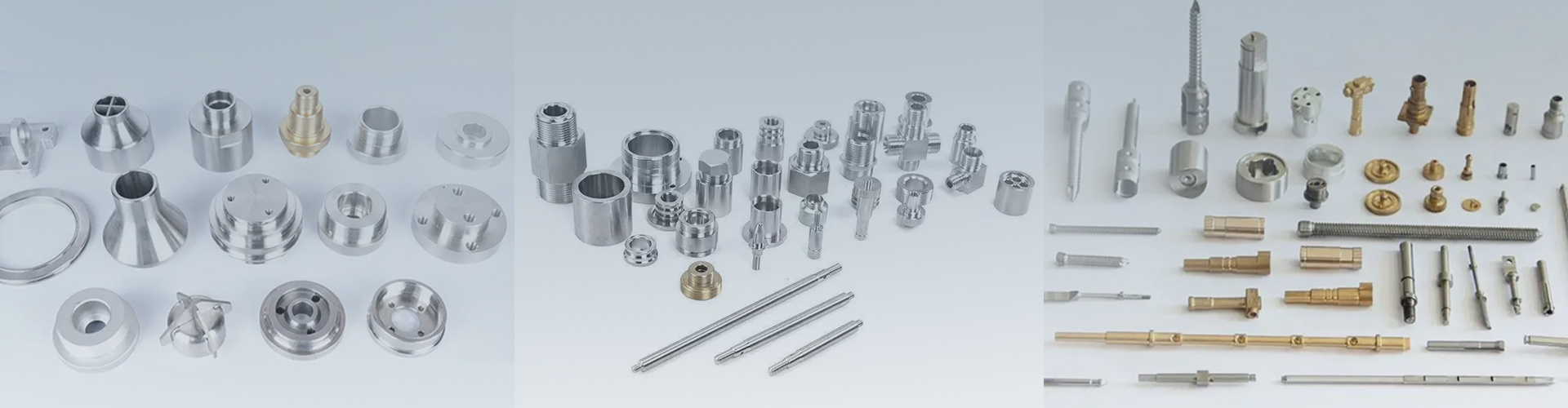
CNC Swiss Machined Parts: Optimizing Performance in Stainless Steel Applications
Published Time:
2025-11-07
CNC Swiss Machined Parts: Optimizing Performance in Stainless Steel Applications
Table of Contents
- 1. Introduction to CNC Swiss Machining
- 2. What is CNC Swiss Machining?
- 3. Advantages of CNC Swiss Machining for Stainless Steel
- 4. Materials Used in CNC Swiss Machining
- 5. Optimizing Performance in Stainless Steel Applications
- 6. Best Practices for CNC Swiss Machining
- 7. Applications of CNC Swiss Machined Parts
- 8. The Future of CNC Swiss Machining
- 9. Conclusion
- 10. FAQs
1. Introduction to CNC Swiss Machining
CNC Swiss machining has emerged as a leading technology in the field of precision manufacturing. This innovative method excels in producing complex, high-quality parts with tight tolerances. Particularly when working with stainless steel, CNC Swiss machined parts offer unparalleled performance advantages, making them the preferred choice for many industries. In this article, we will delve into the intricacies of CNC Swiss machining, its benefits, and how to optimize performance in stainless steel applications.
2. What is CNC Swiss Machining?
CNC (Computer Numerical Control) Swiss machining is a manufacturing process that utilizes a lathe with a sliding headstock to create cylindrical parts. This technology enables the production of intricate components by feeding a bar of material into a rotating spindle, where it is cut to the desired specifications. The term "Swiss" originates from its development in Switzerland, where precision engineering is highly valued. CNC Swiss machines are well-suited for producing small, intricate parts that require high accuracy.
The Role of CNC Technology
CNC technology automates the machining process, allowing for rapid production and consistent quality. Operators can input specific designs into the computer system, which then controls the machining operations with precision. This automation reduces human error and enhances production efficiency. The ability to produce parts in one continuous operation minimizes waste and maximizes resource utilization.
3. Advantages of CNC Swiss Machining for Stainless Steel
When it comes to machining stainless steel, CNC Swiss technology offers several key advantages:
High Precision and Accuracy
CNC Swiss machining excels in achieving tight tolerances, often within ±0.001 inches. This level of precision is crucial for applications where the fit and function of components are critical.
Enhanced Surface Finish
The process produces parts with superior surface finishes, reducing the need for secondary operations such as polishing or grinding. A fine surface finish not only improves aesthetics but also enhances the performance of components in critical applications.
Efficient Material Utilization
CNC Swiss machining optimizes the use of materials, reducing scrap rates. This efficiency is particularly beneficial when machining high-cost materials like stainless steel.
Complex Geometries in One Setup
The machine's capabilities allow for the creation of complex geometries with minimal setups. This feature significantly reduces production time and costs while maintaining high quality.
4. Materials Used in CNC Swiss Machining
While CNC Swiss machining can accommodate a variety of materials, stainless steel is one of the most popular choices due to its strength, corrosion resistance, and versatility. Common grades of stainless steel used in this process include:
304 Stainless Steel
304 stainless steel is known for its excellent corrosion resistance and formability. It is widely used in a range of applications, including food processing and medical devices.
316 Stainless Steel
316 stainless steel offers superior corrosion resistance, particularly against chlorides. This makes it ideal for marine applications and environments where chemicals are present.
17-4 PH Stainless Steel
This precipitation-hardening stainless steel combines high strength with excellent corrosion resistance, making it suitable for demanding applications in aerospace and oil and gas industries.
5. Optimizing Performance in Stainless Steel Applications
To achieve the best results when machining stainless steel components, consider the following optimization strategies:
Tool Selection
Choosing the right cutting tools is essential for successful CNC Swiss machining. Tools made from materials such as carbide or high-speed steel are recommended for their durability and heat resistance.
Cutting Parameters
Optimizing cutting parameters—such as speed, feed rate, and depth of cut—can significantly impact the performance and longevity of tools and machined parts. It’s advisable to adjust these parameters based on the specific grade of stainless steel being used.
Cooling and Lubrication
Effective cooling and lubrication are critical when working with stainless steel, as this material can generate excessive heat during machining. Using cutting fluids can help manage temperatures, prolong tool life, and improve surface finishes.
Monitoring and Adjusting Processes
Implementing real-time monitoring systems can provide insights into the machining process, allowing for timely adjustments that enhance performance and reduce downtime.
6. Best Practices for CNC Swiss Machining
Adopting best practices can further improve the efficiency and output of CNC Swiss machining processes:
Regular Maintenance
Performing regular maintenance on CNC machines ensures they operate at peak performance. This includes routine inspections, cleaning, and timely replacement of worn components.
Investing in Training
Ensuring that operators are well-trained in CNC Swiss machining techniques can lead to fewer errors and higher quality outcomes. Continuous education in the latest technologies can also enhance overall performance.
Utilizing Advanced Software
Leveraging advanced CAD/CAM software can streamline design and machining processes. These tools improve design accuracy and facilitate better communication between engineering and production teams.
7. Applications of CNC Swiss Machined Parts
CNC Swiss machined parts are used across a variety of industries due to their precision and reliability. Some of the most common applications include:
Aerospace Components
Aerospace applications require parts that adhere to strict safety and performance standards. CNC Swiss machining produces lightweight yet durable components for aircraft assembly.
Medical Devices
In the medical field, precision is non-negotiable. CNC Swiss machined parts contribute to the manufacturing of surgical instruments, implants, and diagnostic equipment.
Automotive Industry
The automotive sector relies on CNC Swiss machining for producing various engine components, transmission parts, and sensors, all of which require high reliability and performance.
8. The Future of CNC Swiss Machining
The future of CNC Swiss machining looks promising as advancements in technology continue to evolve. Key trends include:
Increased Automation
As manufacturers seek to enhance productivity, the integration of automation technologies such as robotics and AI in CNC Swiss machining is expected to rise, leading to more streamlined operations.
Material Advancements
Research into advanced materials will expand the capabilities of CNC Swiss machining. New alloys and composites may offer improved performance characteristics, presenting new opportunities for industries.
Emphasis on Sustainability
With growing concerns about sustainability, the machining industry is likely to focus on environmentally friendly practices, including waste reduction and energy-efficient processes.
9. Conclusion
CNC Swiss machined parts play a crucial role in optimizing performance for stainless steel applications. By leveraging the unique advantages of CNC Swiss machining, industries can achieve high precision, reduced waste, and complex geometries in a single setup. As we look to the future, continued advancements in technology and materials will only enhance the capabilities and applications of CNC Swiss machining. Embracing best practices and ongoing education will ensure that manufacturers remain competitive and deliver top-quality products.
10. FAQs
What is CNC Swiss machining?
CNC Swiss machining is a precision manufacturing process that uses computer-controlled lathes to create intricate cylindrical parts from bar stock, ideal for high-accuracy applications.
What are the advantages of using stainless steel in CNC Swiss machining?
Stainless steel offers excellent corrosion resistance, strength, and versatility, making it an ideal choice for a wide range of applications in various industries.
How can I optimize performance when machining stainless steel?
To optimize performance, choose the right tools, adjust cutting parameters, ensure proper cooling and lubrication, and monitor the machining process for real-time adjustments.
What industries commonly use CNC Swiss machined parts?
CNC Swiss machined parts are widely used in aerospace, medical devices, automotive, and many other industries that demand high precision and reliability.
What is the future of CNC Swiss machining?
The future of CNC Swiss machining includes increased automation, advancements in material technology, and a focus on sustainable practices, leading to more efficient and environmentally friendly manufacturing processes.
NewsCenter
 2026-10-10


Beijing Pafinal Precision Machinery Co., Ltd.
Email:sales@pafinal.com

Address: No. 239 Huanhe South Road, Tianjin Pilot Free Trade Zone (Airport Economic Zone), Tianjin
中企跨境-全域组件
制作前进入CSS配置样式
sales@pafinal.com:
Whatsapp:
在线客服添加返回顶部
图片alt标题设置: PAFINAL
表单验证提示文本: Content cannot be empty!
循环体没有内容时: Sorry,no matching items were found.
CSS / JS 文件放置地