

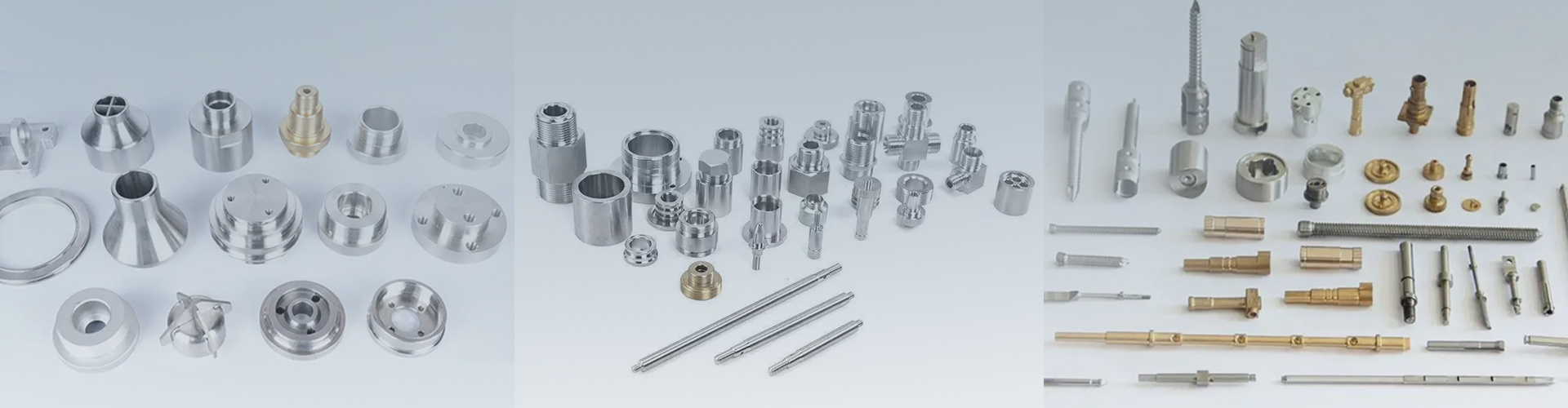
Top 5 Applications of Aerospace Machined Parts in Space Exploration
Published Time:
2025-11-05
Top 5 Applications of Aerospace Machined Parts in Space Exploration
Introduction to Aerospace Machined Parts
In the realm of space exploration, **aerospace machined parts** play an integral role, serving as the backbone of various spacecraft, satellites, and exploratory vehicles. As missions become more ambitious, the need for precision-engineered components that can withstand extreme conditions has never been greater. This article will delve into the top **five applications** of aerospace machined parts, highlighting their importance and functionality within the context of modern space exploration.
Table of Contents
- 1. Structural Components in Spacecraft
- 2. Engine Components for Propulsion Systems
- 3. Thermal Protection Systems
- 4. Satellite Hardware
- 5. Robotic Systems and Tools
- FAQs
- Conclusion
1. Structural Components in Spacecraft
Aerospace machined parts are essential for the **structural integrity** of spacecraft. These components include frames, supports, and brackets crafted from materials like titanium, aluminum, and composite materials. Their design and fabrication require advanced machining techniques to ensure they can endure the stresses of launch, re-entry, and the harsh environment of space.
**Precision engineering** guarantees that these parts fit together seamlessly, contributing to the overall strength and stability of the spacecraft. As space missions are pushed to their limits, the reliability of structural components is paramount in safeguarding both crew and equipment.
Materials Used for Structural Components
The choice of materials is crucial for aerospace machined structural components. Lightweight and high-strength materials are favored to minimize weight while maximizing durability. Advanced alloys and composites are often utilized for their exceptional resistance to environmental factors such as radiation, temperature extremes, and mechanical stress.
2. Engine Components for Propulsion Systems
Propulsion systems are vital for space travel, and aerospace machined parts are at the core of these systems. Components such as **fuel injectors**, turbine blades, and combustion chambers are precision-engineered to optimize performance and efficiency.
The complexity of these parts demands high tolerances and intricate designs that can only be achieved through advanced machining processes. Ensuring that these components function under extreme temperatures and pressures is essential for mission success.
Advanced Machining Techniques for Engine Components
Techniques like **CNC machining**, **electrical discharge machining (EDM)**, and **additive manufacturing** are commonly used to create engine components. These technologies allow for intricate designs and fine tolerances that are necessary for high-performance engine functionality, ensuring that each component can withstand the rigors of space travel.
3. Thermal Protection Systems
During re-entry into Earth's atmosphere, thermal protection systems (TPS) are critical for safeguarding spacecraft and their occupants. Aerospace machined parts, such as heat shields and insulation panels, are essential for these systems.
The machined parts must exhibit **high thermal resistance** and durability to survive extreme heat and pressure. The design of TPS involves extensive testing and simulation to ensure reliability, making the role of precision machining fundamental in their development.
The Importance of Testing in Thermal Protection Systems
Extensive **aerodynamic testing** and **thermal analysis** are conducted to validate the performance of TPS components. These tests ensure that machined parts can withstand the intense conditions experienced during re-entry, protecting valuable payloads and human lives alike.
4. Satellite Hardware
Satellites are a primary focus of aerospace machined parts, with components ranging from structural frames to intricate internal mechanisms. Machined parts play a crucial role in ensuring satellite functionality, from communication equipment to sensor systems.
The precision of these components affects overall satellite performance in orbit. Ensuring long-term reliability and functionality of satellite hardware is paramount, as these systems often operate in remote locations for extended periods.
Challenges in Satellite Component Manufacturing
Manufacturing satellite hardware requires adherence to strict quality standards and regulations. Factors like **vibration resistance**, **thermal stability**, and **radiation shielding** are critical, necessitating advanced machining capabilities and thorough quality control throughout the manufacturing process.
5. Robotic Systems and Tools
Robotic systems used in space exploration, such as robotic arms and rovers, heavily rely on aerospace machined parts. These components are crafted to provide precise control and functionality, enabling robots to perform complex tasks in challenging environments.
The design of these parts often incorporates various actuators, sensors, and advanced materials to enhance their performance. Machined parts ensure that robotic systems can withstand the harsh conditions of space while maintaining high levels of efficiency and accuracy.
Innovations in Robotic Systems
The evolution of robotic systems in space exploration has led to the development of highly sophisticated machined parts that facilitate advanced functionalities. Innovations in **materials** and **actuation mechanisms** have resulted in robots capable of conducting complex exploratory missions, significantly advancing our understanding of space.
FAQs
1. What materials are commonly used in aerospace machined parts?
A variety of materials, including aluminum alloys, titanium, and composite materials, are commonly used due to their lightweight and strong properties.
2. How do machining processes affect the quality of aerospace parts?
Precision machining processes ensure tight tolerances, allowing parts to fit together seamlessly, which is crucial for safety and performance in aerospace applications.
3. What is the role of testing in aerospace part manufacturing?
Testing is essential to validate the performance and reliability of machined parts, ensuring they can withstand the extreme conditions of space travel.
4. How have advancements in technology impacted aerospace machining?
Technological advancements, such as CNC machining and additive manufacturing, have enhanced the capabilities of aerospace machining, allowing for more complex designs and improved efficiency.
5. Why are aerospace machined parts vital for space exploration?
These parts ensure the structural integrity, performance, and safety of spacecraft and equipment, making them indispensable in successful space missions.
Conclusion
The evolution of **aerospace machined parts** has played a pivotal role in advancing space exploration. From structural components to sophisticated robotic systems, these parts are critical in ensuring the success and safety of our missions beyond Earth. As technology continues to evolve, we can expect even more innovative applications of precision-engineered components, pushing the boundaries of what is possible in space exploration. By understanding the importance and functionality of these machined parts, we can appreciate the role they play in humanity's quest to explore the cosmos.
NewsCenter
 2026-10-10


Beijing Pafinal Precision Machinery Co., Ltd.
Email:sales@pafinal.com

Address: No. 239 Huanhe South Road, Tianjin Pilot Free Trade Zone (Airport Economic Zone), Tianjin
中企跨境-全域组件
制作前进入CSS配置样式
sales@pafinal.com:
Whatsapp:
在线客服添加返回顶部
图片alt标题设置: PAFINAL
表单验证提示文本: Content cannot be empty!
循环体没有内容时: Sorry,no matching items were found.
CSS / JS 文件放置地