

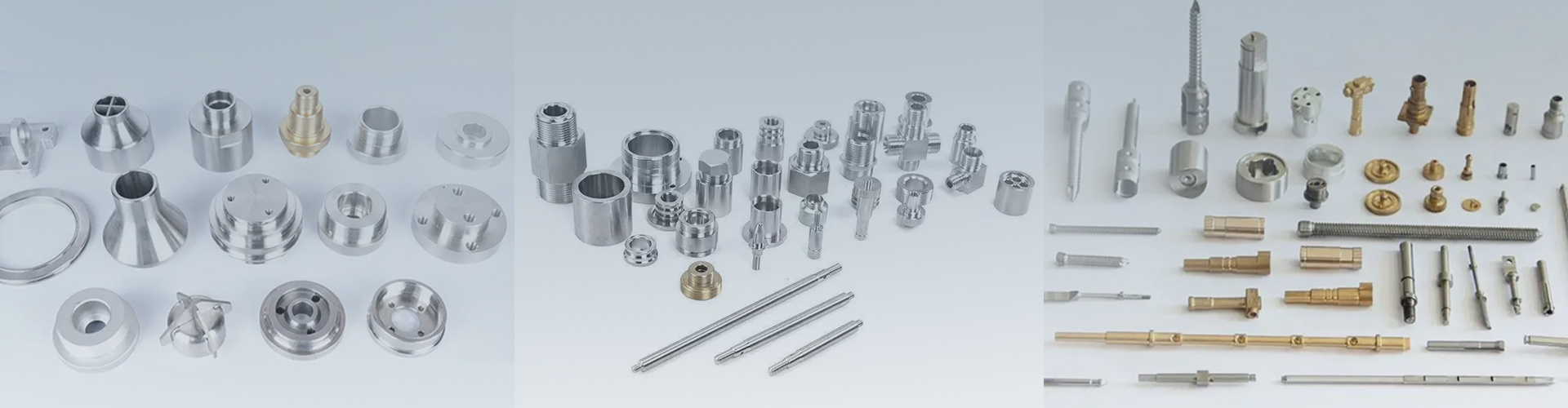
Maximizing Precision and Efficiency: The Role of CNC Swiss Plastic Machined Parts in Modern Manufacturing
Published Time:
2025-11-04
In the realm of manufacturing, CNC Swiss plastic machined parts have emerged as a pivotal component in the production of high-precision components. This innovative machining technique combines the intricate capabilities of CNC (Computer Numerical Control) with the unique properties of plastic materials, offering advantages that are not only cost-effective but also adaptable to various applications.
CNC Swiss machining is a process that allows for the production of complex geometries with tight tolerances. This method utilizes a sliding headstock, which enables the workpiece to be fed into the cutting tools continuously. This characteristic is particularly beneficial in producing high volumes of identical parts with exceptional consistency and accuracy. When plastic is introduced into this process, manufacturers gain access to lightweight, corrosion-resistant materials that are ideal for a wide range of applications including medical devices, automotive components, and consumer electronics.
One of the primary benefits of using CNC Swiss plastic machined parts is their ability to reduce production time. The automated nature of CNC Swiss machining reduces the need for manual intervention, allowing for faster cycle times and increased throughput. Manufacturers can produce intricate designs with multiple features in a single operation, thereby minimizing machining steps and potential errors.
Moreover, the versatility of plastic materials opens doors to innovations in product design. Plastics can be engineered to possess specific properties such as enhanced strength, flexibility, or thermal stability, making them suitable for a plethora of applications. This adaptability allows manufacturers to tailor their products to meet specific industry demands without compromising quality or performance.
Another significant advantage of CNC Swiss plastic machined parts is their sustainability. Many modern plastics are developed to be recyclable or biodegradable, aligning with the increasing demand for environmentally responsible manufacturing practices. As industries strive to reduce their carbon footprint, the adoption of plastic components within precision machining will continue to play a critical role in achieving these goals.
In conclusion, the integration of CNC Swiss plastic machined parts within the manufacturing sector is a game-changer for producing complex, high-quality components efficiently. Their unique combination of precision, speed, and adaptability positions them as a vital resource for industries looking to innovate and stay competitive. By harnessing the capabilities of this advanced machining technique, manufacturers can not only enhance their production efficiency but also respond more effectively to the evolving needs of the market.
NewsCenter
 2026-10-10


Beijing Pafinal Precision Machinery Co., Ltd.
Email:sales@pafinal.com

Address: No. 239 Huanhe South Road, Tianjin Pilot Free Trade Zone (Airport Economic Zone), Tianjin
中企跨境-全域组件
制作前进入CSS配置样式
sales@pafinal.com:
Whatsapp:
在线客服添加返回顶部
图片alt标题设置: PAFINAL
表单验证提示文本: Content cannot be empty!
循环体没有内容时: Sorry,no matching items were found.
CSS / JS 文件放置地