

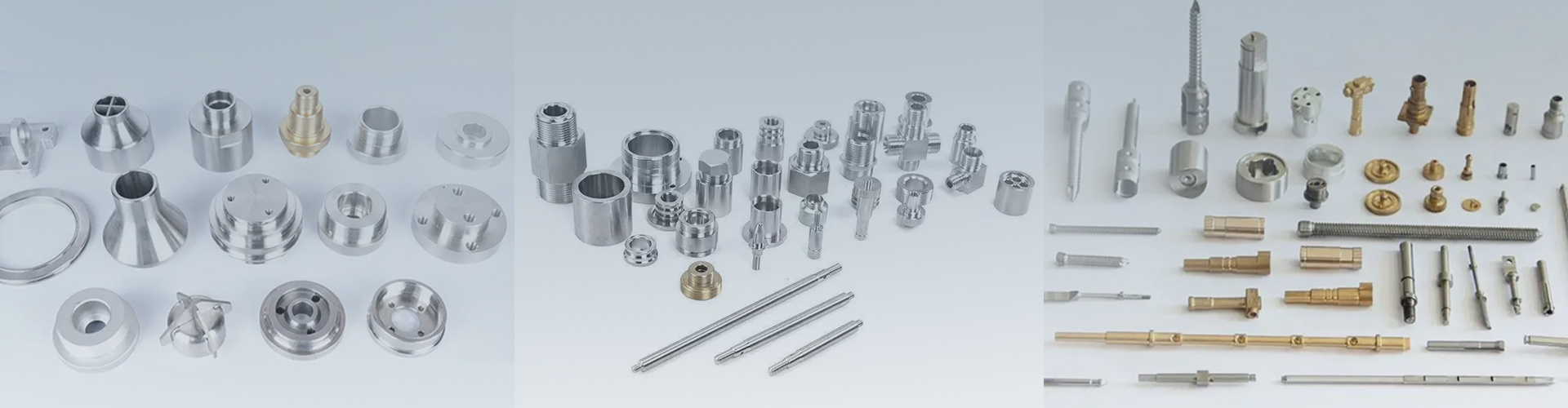
Exploring Materials Used in CNC Machining Parts Manufacturing: A Comprehensive Guide
Published Time:
2025-11-03
Exploring Materials Used in CNC Machining Parts Manufacturing
Table of Contents
1. Introduction to CNC Machining
2. Understanding CNC Machining Materials
2.1 Definition of CNC Machining
2.2 Importance of Material Selection
3. Metals Used in CNC Machining
3.1 Aluminum Alloys: Lightweight and Versatile
3.2 Steel: Strength and Durability
3.3 Titanium: High Strength-to-Weight Ratio
4. Plastics in CNC Machining
4.1 Acrylonitrile Butadiene Styrene (ABS)
4.2 Polycarbonate (PC): Impact Resistance
4.3 Nylon: Flexible and Strong
5. Composite Materials for Specialized Applications
5.1 Carbon Fiber Reinforced Plastic (CFRP)
5.2 Glass Fiber Reinforced Plastic (GFRP)
6. Selecting the Right Material for Your Project
7. The Impact of Material on CNC Machining Processes
8. FAQs about CNC Machining Materials
9. Conclusion
1. Introduction to CNC Machining
CNC machining has revolutionized the manufacturing industry by automating the precision cutting, shaping, and finishing of materials to create intricate parts. This technology offers unparalleled accuracy and efficiency, significantly enhancing production capabilities. As we dive into this topic, it becomes clear that the choice of material plays a pivotal role in the success of CNC machining.
2. Understanding CNC Machining Materials
2.1 Definition of CNC Machining
CNC, or Computer Numerical Control, machining involves using computerized machines to control tools and equipment for manufacturing parts. The process includes milling, turning, drilling, and electrical discharge machining. This automation ensures higher precision and repeatability compared to traditional machining methods.
2.2 Importance of Material Selection
Material selection in CNC machining is crucial because it directly affects the performance, durability, and cost of the finished product. Selecting the right material ensures that the machined parts meet the required specifications and can withstand the intended use.
3. Metals Used in CNC Machining
Metals are among the most common materials used in CNC machining due to their strength, durability, and versatility. Below are some of the most popular metals employed in this process.
3.1 Aluminum Alloys: Lightweight and Versatile
Aluminum alloys are favored in CNC machining for their lightweight properties and excellent corrosion resistance. They can be easily machined and are often used in aerospace, automotive, and consumer goods applications. Common grades like 6061 and 7075 provide a good balance of strength and machinability.
3.2 Steel: Strength and Durability
Steel is known for its exceptional strength and rigidity. Various types of steel, including stainless steel, tool steel, and carbon steel, are used depending on the requirements of the part being produced. Stainless steel, for example, is commonly used in medical applications due to its corrosion resistance and biocompatibility.
3.3 Titanium: High Strength-to-Weight Ratio
Titanium is another metal widely used in CNC machining, particularly in industries that require lightweight yet strong materials, such as aerospace and military applications. Its excellent fatigue resistance and ability to withstand extreme temperatures make it an ideal choice for high-performance components.
4. Plastics in CNC Machining
Plastics are increasingly popular in CNC machining due to their lightweight nature and corrosion resistance. Below, we examine some of the most commonly used plastics.
4.1 Acrylonitrile Butadiene Styrene (ABS)
ABS is known for its impact resistance and toughness, making it an excellent choice for parts that require durability. It is commonly used in consumer products, automotive components, and even in the production of prototypes.
4.2 Polycarbonate (PC): Impact Resistance
Polycarbonate is a high-performance plastic known for its impact resistance and optical clarity. It's often used in applications such as safety equipment, automotive parts, and electronic housings.
4.3 Nylon: Flexible and Strong
Nylon offers excellent strength and flexibility, making it suitable for parts that experience wear and tear. Its low friction properties are ideal for gears, bearings, and other moving components.
5. Composite Materials for Specialized Applications
Composite materials combine two or more materials to achieve superior properties. They are commonly used in CNC machining for specialized applications.
5.1 Carbon Fiber Reinforced Plastic (CFRP)
CFRP is a lightweight material with a high strength-to-weight ratio, making it ideal for aerospace, automotive, and sporting goods applications. Its rigidity and strength make it a preferred choice for high-performance components.
5.2 Glass Fiber Reinforced Plastic (GFRP)
GFRP is commonly used in applications where lightweight and strength are required. Its resistance to corrosion and thermal stability make it suitable for construction, automotive, and marine applications.
6. Selecting the Right Material for Your Project
When selecting a material for CNC machining, several factors should be considered, including:
- **Mechanical properties**: Ensure the material can withstand the intended load and stress.
- **Corrosion resistance**: Evaluate whether the part will be exposed to harsh environments.
- **Cost**: Consider the budget and balance it against performance requirements.
- **Machinability**: Some materials are easier to machine than others, impacting production efficiency.
Evaluating these factors will help in making an informed decision that aligns with your project's goals.
7. The Impact of Material on CNC Machining Processes
The choice of material influences various aspects of the CNC machining process:
- **Tool Selection**: Different materials require specific tools and cutting speeds for efficient machining.
- **Machining Parameters**: Feed rates and depths of cut may vary depending on the hardness and toughness of the material.
- **Finishing Processes**: Some materials may necessitate additional finishing processes to achieve the desired surface quality.
Understanding these factors ensures that the CNC machining process is optimized for the chosen material, resulting in high-quality parts.
8. FAQs about CNC Machining Materials
1. What materials can be used in CNC machining?
CNC machining can use a wide range of materials, including metals like aluminum, steel, and titanium, as well as plastics like ABS and nylon, and composite materials like CFRP and GFRP.
2. How does material choice affect machining costs?
Material choice can significantly impact costs due to differences in material prices, machining speeds, and tool wear. Generally, harder materials may require more expensive tools and longer machining times, increasing overall costs.
3. Can CNC machines handle all types of plastics?
Most CNC machines can handle a variety of plastics, but some may require specific tooling or settings to achieve optimal results. It's essential to ensure that the machine is compatible with the chosen plastic material.
4. What is the best metal for CNC machining?
The best metal for CNC machining depends on the application. Aluminum is great for lightweight parts, while steel offers strength, and titanium provides exceptional performance in demanding environments.
5. How do material properties influence the final product?
Material properties such as strength, flexibility, and corrosion resistance directly impact the performance and durability of the final product. Selecting the appropriate material is crucial to meet the specific requirements of the application.
9. Conclusion
In conclusion, selecting the right materials for CNC machining parts manufacturing is a critical step that can significantly influence the performance, cost, and quality of the final product. By understanding the characteristics and applications of various materials, manufacturers can optimize their processes and achieve superior results. Whether you are working with metals, plastics, or composites, the right material choice will ultimately lead to successful machining projects that meet or exceed expectations. With ongoing advancements in CNC technology and material science, the potential for innovation continues to expand, paving the way for even more efficient manufacturing solutions in the future.
NewsCenter
 2026-10-10


Beijing Pafinal Precision Machinery Co., Ltd.
Email:sales@pafinal.com

Address: No. 239 Huanhe South Road, Tianjin Pilot Free Trade Zone (Airport Economic Zone), Tianjin
中企跨境-全域组件
制作前进入CSS配置样式
sales@pafinal.com:
Whatsapp:
在线客服添加返回顶部
图片alt标题设置: PAFINAL
表单验证提示文本: Content cannot be empty!
循环体没有内容时: Sorry,no matching items were found.
CSS / JS 文件放置地