

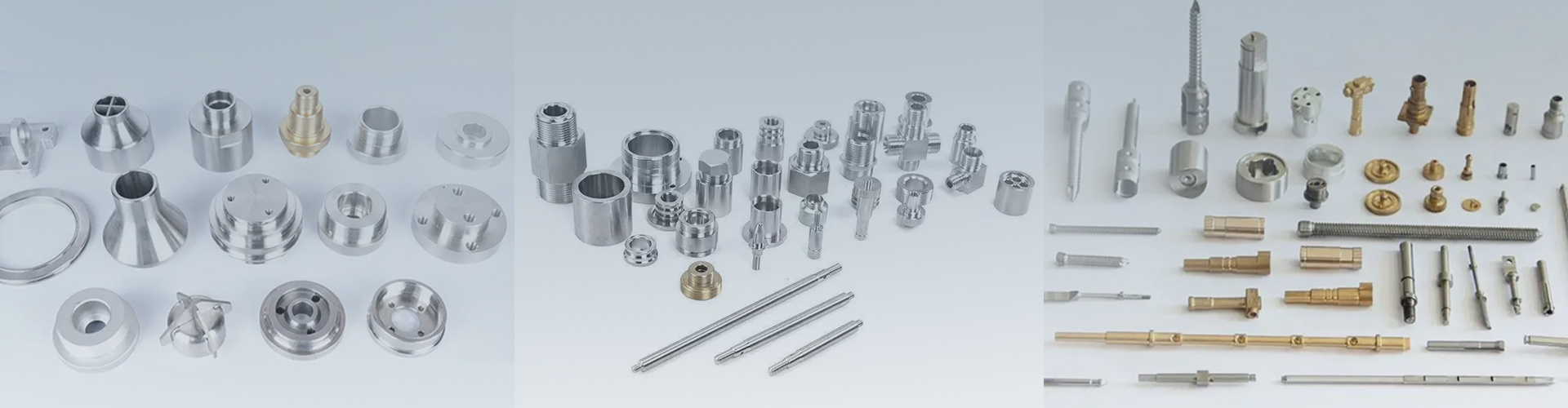
The Essential Guide to Precision Parts in Manufacturing
Published Time:
2025-11-02
---
Precision parts play a pivotal role in the manufacturing and machining industry, particularly within the realm of metalworking and component fabrication. Defined as components produced with tight tolerances and exact specifications, precision parts are integral to the functionality and longevity of machinery and equipment. Their significance cannot be overstated, as they often determine the quality and reliability of the final product.
The manufacturing of precision parts encompasses a variety of techniques and technologies that are designed to achieve the highest levels of accuracy. These may include CNC (Computer Numerical Control) machining, which allows for the production of complex geometries with minimal human intervention. Other methods, such as EDM (Electrical Discharge Machining) and laser cutting, also contribute to the creation of intricate designs that meet exacting standards.
One of the primary advantages of utilizing precision parts in manufacturing is the enhanced performance of the machinery and equipment they comprise. When components are manufactured to precise specifications, they fit together seamlessly, reducing the likelihood of wear and tear, which can lead to costly downtimes and repairs. This precision not only enhances operational efficiency but can also improve the overall safety of the equipment, as poorly fitting parts may result in malfunctions and hazards.
In addition to performance benefits, precision parts also facilitate greater design freedom. Engineers and designers can create more innovative and intricate product designs, knowing that precision manufacturing techniques will allow for the realization of their visions. This capability opens up new avenues for product development and can provide a competitive edge in the marketplace.
However, achieving precision in part manufacturing requires attention to detail and adherence to stringent quality control measures. Quality assurance practices such as regular calibration of machinery, thorough inspection of finished components, and the use of advanced measuring tools are essential to ensure that parts meet the desired specifications. Furthermore, collaboration between engineers, manufacturers, and suppliers is crucial to optimize the design and production processes.
Finally, advancements in technology have further propelled the capabilities of precision parts manufacturing. Emerging trends such as additive manufacturing (3D printing) and automation are transforming the landscape, allowing for quicker turnaround times and reduced waste. These innovations not only enhance efficiency but also lower production costs, making precision manufacturing more accessible to businesses of all sizes.
In conclusion, precision parts are a cornerstone of effective manufacturing processes across various industries. Their ability to enhance performance, safety, and design flexibility makes them indispensable in today's competitive market. By prioritizing precision in part fabrication, manufacturers can boost productivity while ensuring the highest quality standards are met, ultimately leading to greater customer satisfaction and business success.
NewsCenter
 2026-10-10


Beijing Pafinal Precision Machinery Co., Ltd.
Email:sales@pafinal.com

Address: No. 239 Huanhe South Road, Tianjin Pilot Free Trade Zone (Airport Economic Zone), Tianjin
中企跨境-全域组件
制作前进入CSS配置样式
sales@pafinal.com:
Whatsapp:
在线客服添加返回顶部
图片alt标题设置: PAFINAL
表单验证提示文本: Content cannot be empty!
循环体没有内容时: Sorry,no matching items were found.
CSS / JS 文件放置地