

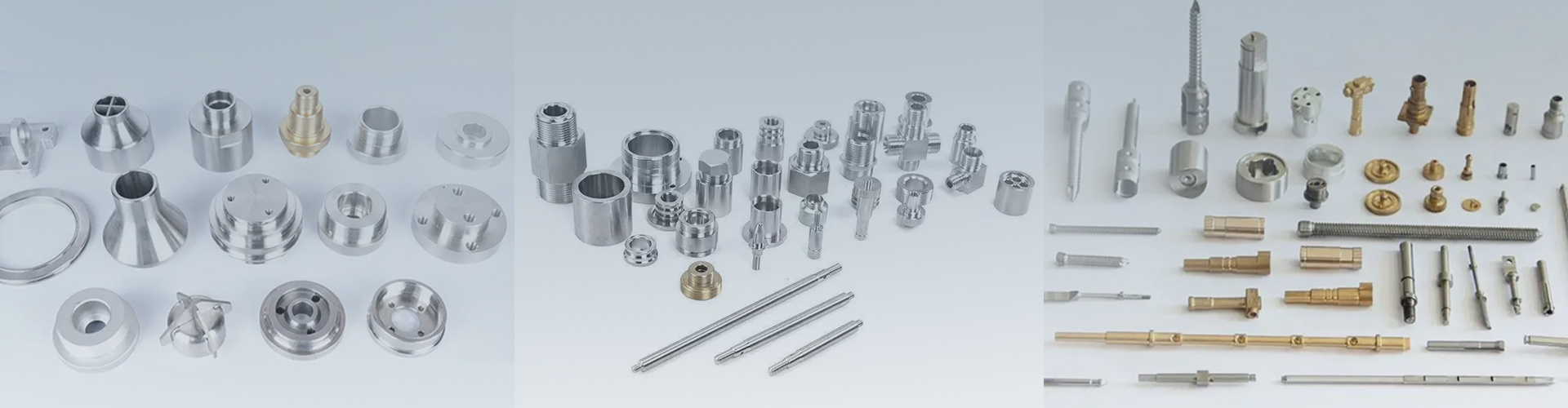
How CNC Swiss Aluminum Machined Parts Ensure Quality and Consistency
Published Time:
2025-11-01
How CNC Swiss Aluminum Machined Parts Ensure Quality and Consistency
Introduction to CNC Swiss Machining
CNC Swiss machining is a revolutionary technique that has transformed the manufacturing industry, particularly in the production of complex parts. This method utilizes Computer Numerical Control (CNC) technology to automate the machining process, resulting in higher precision, reduced waste, and streamlined production times. Whether you're in the aerospace, automotive, or electronics sectors, understanding how CNC Swiss aluminum machined parts ensure quality and consistency is crucial for your operations.
The Importance of Quality in CNC Machining
Quality is paramount in any manufacturing process. For components that require tight tolerances and high reliability, the quality of the machined parts can mean the difference between success and failure. CNC Swiss aluminum machined parts are known for their exceptional quality due to several factors:
Precision Engineering
CNC Swiss machines can produce parts with extremely tight tolerances, often within ±0.001 inches. This level of precision is achieved through advanced software and hardware that control every aspect of the machining process.
Consistent Production Processes
By employing automated processes, CNC machining minimizes human error, ensuring that each part produced is consistent in quality. This consistency is vital in industries where even the slightest deviation can lead to catastrophic failures.
Material Quality
Aluminum, a staple in CNC machining, is prized for its strength-to-weight ratio and corrosion resistance. The quality of the aluminum used affects the performance of the final product, making material selection a critical factor in ensuring quality.
Understanding the CNC Swiss Machining Process
To appreciate how CNC Swiss aluminum machined parts ensure quality and consistency, it’s essential to understand the machining process itself.
The Setup
The CNC Swiss machining process begins with setting up the machine. This includes programming the CNC software with the necessary specifications and loading the aluminum stock. Proper setup is crucial to achieving desired outcomes.
Turning and Milling Operations
CNC Swiss machines are versatile and can perform both turning and milling operations, often in a single setup. This capability allows for complex geometries that would be challenging to achieve with traditional machining methods.
Turning Operations
The turning operation involves rotating the workpiece against a stationary cutting tool. This method is ideal for producing cylindrical parts and ensures a high finish quality.
Milling Operations
In milling, the workpiece remains stationary while the cutting tool moves. This allows for the creation of intricate shapes and features, such as slots and pockets, crucial in various applications.
Advantages of CNC Swiss Aluminum Machined Parts
The benefits of utilizing CNC Swiss aluminum machined parts extend beyond just enhanced quality. Here are some significant advantages:
Enhanced Efficiency
CNC Swiss machining significantly reduces production time. The automation process allows for continuous operation, increasing output and meeting tight deadlines.
Cost-Effectiveness
While initial setup costs may be higher, the long-term savings due to reduced material waste and less labor-intensive processes make CNC Swiss machining cost-effective.
Flexibility and Customization
CNC Swiss machines can easily adapt to different designs and specifications, allowing for high levels of customization. This flexibility is essential for industries that require bespoke solutions.
Quality Control Measures in CNC Swiss Machining
Ensuring quality and consistency in CNC Swiss machining requires robust quality control measures.
In-Process Monitoring
Many CNC Swiss machines are equipped with sensors and software that monitor the machining process in real time. This capability allows for immediate adjustments to maintain quality standards.
Post-Production Inspection
After machining, parts undergo rigorous inspection processes, including dimensional analysis and surface finish evaluation. These inspections are critical to affirming that each part meets the required specifications.
Measurement Techniques
Techniques such as coordinate measuring machines (CMM) and optical measuring systems are commonly used for accurate verification of part dimensions.
Applications of CNC Swiss Aluminum Machined Parts
CNC Swiss aluminum machined parts find applications across various industries due to their versatility and reliability.
Aerospace Industry
In the aerospace sector, lightweight and precision-engineered components are vital. CNC Swiss aluminum machined parts are extensively used in manufacturing components such as brackets, housings, and fittings.
Automotive Manufacturing
The automotive industry relies on CNC Swiss machining for producing intricate parts like engine components, transmission parts, and suspension systems, ensuring reliability and safety.
Medical Devices
In the medical field, CNC Swiss aluminum machined parts are used for surgical instruments and other critical devices where precision and reliability are non-negotiable.
Future Trends in CNC Swiss Machining
As technology continues to evolve, so will CNC Swiss machining. Here are some trends shaping the future of this industry:
Increased Automation
The incorporation of AI and machine learning into CNC Swiss machining processes is expected to increase efficiency and reduce errors even further.
Sustainability Initiatives
With growing environmental concerns, manufacturers are looking to reduce waste and energy consumption in the CNC machining process. The use of recycled aluminum and energy-efficient machines is likely to become standard practice.
Integration with IoT
The Internet of Things (IoT) will enable real-time data collection and analysis, further enhancing the monitoring and quality control processes in CNC Swiss machining.
Conclusion
CNC Swiss aluminum machined parts play a pivotal role in ensuring quality and consistency across various industries. Through precision engineering, efficient processes, and stringent quality control measures, manufacturers can produce highly reliable components that meet the demands of modern applications. As technology continues to advance, the potential for CNC Swiss machining will only grow, reinforcing its importance in the manufacturing landscape. Understanding and embracing these advancements will be crucial for businesses looking to thrive in competitive markets.
Frequently Asked Questions (FAQs)
1. What materials can be used in CNC Swiss machining?
CNC Swiss machining primarily uses metals like aluminum, stainless steel, and brass, but it can also accommodate other materials such as plastics and composites.
2. How does CNC Swiss machining differ from traditional machining?
CNC Swiss machining offers higher precision and efficiency through automation and advanced programming, while traditional machining may rely more on manual operations.
3. What industries benefit most from CNC Swiss aluminum machined parts?
Industries such as aerospace, automotive, electronics, and medical devices greatly benefit from the precision and reliability of CNC Swiss aluminum machined parts.
4. How are quality control measures implemented in CNC machining?
Quality control in CNC machining involves in-process monitoring, post-production inspections, and the use of advanced measurement techniques to ensure each part meets specifications.
5. What are the future trends in CNC Swiss machining?
Future trends include increased automation, sustainability initiatives, and integration with IoT for enhanced efficiency and quality control in the machining process.
Previous Page
NewsCenter
 2026-10-10


Beijing Pafinal Precision Machinery Co., Ltd.
Email:sales@pafinal.com

Address: No. 239 Huanhe South Road, Tianjin Pilot Free Trade Zone (Airport Economic Zone), Tianjin
中企跨境-全域组件
制作前进入CSS配置样式
sales@pafinal.com:
Whatsapp:
在线客服添加返回顶部
图片alt标题设置: PAFINAL
表单验证提示文本: Content cannot be empty!
循环体没有内容时: Sorry,no matching items were found.
CSS / JS 文件放置地