

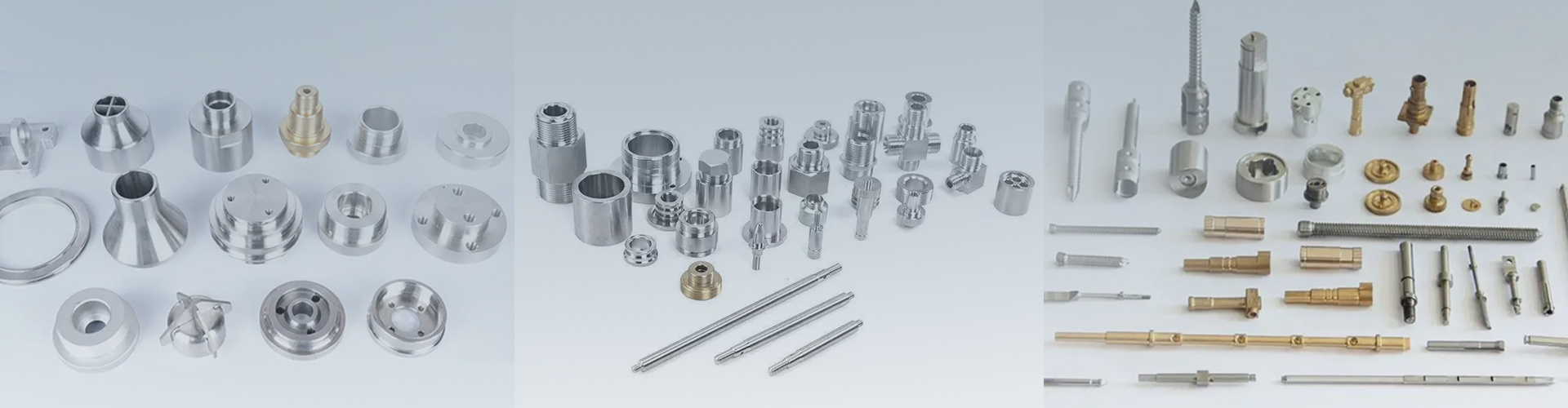
Precision Engineering: The Essential Role of CNC Swiss Machined Stainless Steel in Manufacturing
Published Time:
2025-10-30
Precision Engineering: The Essential Role of CNC Swiss Machined Stainless Steel in Manufacturing
Table of Contents
- Introduction to CNC Swiss Machining
- Understanding Stainless Steel in Precision Engineering
- Advantages of CNC Swiss Machining
- Applications of CNC Swiss Machined Parts
- The Process of CNC Swiss Machining
- Challenges in CNC Swiss Machining
- Future Trends in Precision Engineering
- Frequently Asked Questions
- Conclusion
Introduction to CNC Swiss Machining
CNC Swiss machining is a sophisticated manufacturing process that utilizes computer numerical control (CNC) technology to produce precise and intricate components. This method is particularly valued in industries where tolerances are tight, and quality is paramount. The process involves a lathe that allows for the creation of complex shapes and features while ensuring exceptional accuracy.
Understanding Stainless Steel in Precision Engineering
Stainless steel is a popular material in precision engineering due to its excellent mechanical properties, corrosion resistance, and aesthetic appeal. Composed primarily of iron, carbon, and chromium, stainless steel forms a passive layer of chromium oxide when exposed to oxygen, which protects the underlying metal from rust and other forms of corrosion.
In the context of CNC Swiss machining, stainless steel is particularly advantageous because:
- Durability: Stainless steel parts are robust and can withstand harsh environments.
- Corrosion Resistance: The material makes it ideal for applications in the medical, aerospace, and automotive industries.
- Versatility: It can be machined into a variety of complex shapes and sizes.
Advantages of CNC Swiss Machining
CNC Swiss machining offers several distinct advantages that make it a preferred choice for manufacturers.
Precision and Accuracy
The CNC technology used in Swiss machining allows for exceptional levels of precision. Parts can be produced within tight tolerances, ensuring that they meet stringent quality standards.
High Production Rates
Swiss machining is designed for high-volume production, enabling manufacturers to produce large quantities of parts in a relatively short time frame.
Reduced Waste
This method of machining is efficient, often producing very little scrap material. This results in cost savings and a more sustainable manufacturing process.
Complex Geometries
CNC Swiss machines can produce complex geometries that traditional machining methods may struggle with. This capability opens up new possibilities for design and innovation.
Applications of CNC Swiss Machined Parts
CNC Swiss machined parts are utilized across a variety of industries, demonstrating their versatility and importance in modern manufacturing.
Aerospace Industry
The aerospace industry demands high precision and reliability. Components such as fittings, brackets, and valves that are critical to aircraft safety are often produced using CNC Swiss machining.
Medical Devices
In the medical field, CNC Swiss machining is essential for manufacturing surgical instruments, implants, and other precision components where biocompatibility is crucial.
Automotive Sector
The automotive industry relies on CNC Swiss machining for parts like fuel injectors, transmission components, and sensor housings, all of which require high precision to ensure performance and safety.
The Process of CNC Swiss Machining
The CNC Swiss machining process involves several key stages, each critical to ensuring the final product meets specifications.
Step 1: Material Preparation
The process begins with the selection of the appropriate stainless steel bar stock, which is loaded into the machine. The material is typically fed through a guide bushing to ensure stability during machining.
Step 2: Cutting Operations
As the material rotates, various cutting tools are employed to shape the part. The CNC program dictates the exact movements and tool changes needed to achieve the desired geometry.
Step 3: Finishing
After the initial machining, finishing processes such as deburring, polishing, or coating may be applied to enhance the surface quality and functionality of the part.
Challenges in CNC Swiss Machining
Despite its advantages, CNC Swiss machining is not without challenges. Manufacturers must navigate several issues to achieve optimal results.
Tool Wear
Due to the high speeds and forces involved, cutting tools can wear out quickly. This necessitates regular monitoring and replacement to maintain precision.
Material Variability
Variations in stainless steel alloys can affect machinability. Understanding the specific characteristics of the chosen material is essential for successful machining.
Initial Setup Costs
The upfront costs of CNC Swiss machining equipment and programming can be significant, making it essential for manufacturers to analyze their return on investment carefully.
Future Trends in Precision Engineering
The landscape of precision engineering is continuously evolving, with trends that will shape the future of CNC Swiss machining.
Increased Automation
Automation technologies are set to revolutionize CNC Swiss machining, reducing labor costs and increasing production efficiency. Smart factories may become the norm, with machines communicating and optimizing processes autonomously.
Advancements in Materials
As new alloys and composite materials emerge, CNC Swiss machining will adapt to accommodate these innovations, allowing for even more specialized applications.
Integration of Artificial Intelligence
Artificial intelligence will play a significant role in predictive maintenance and quality control, enhancing the overall efficiency and effectiveness of CNC Swiss machining operations.
Frequently Asked Questions
1. What is CNC Swiss machining?
CNC Swiss machining is a precision manufacturing process that utilizes computer numerical control technology to produce intricate components with high accuracy and efficiency.
2. Why is stainless steel commonly used in CNC Swiss machining?
Stainless steel is widely used due to its durability, resistance to corrosion, and versatility in machining complex shapes.
3. What industries benefit from CNC Swiss machined parts?
Industries such as aerospace, medical devices, automotive, and electronics utilize CNC Swiss machined parts for their precision and reliability.
4. What are the main advantages of CNC Swiss machining?
Key advantages include high precision, reduced waste, high production rates, and the ability to create complex geometries.
5. What challenges are associated with CNC Swiss machining?
Challenges include tool wear, variabilities in material properties, and the initial setup costs of CNC machines.
Conclusion
CNC Swiss machining stands at the forefront of precision engineering, particularly when it comes to the use of stainless steel. Its ability to produce complex, highly accurate components makes it a critical process in various industries, from aerospace to automotive. As technology continues to advance, we can expect CNC Swiss machining to evolve, integrating new materials and automation technologies that will further enhance its capabilities. Understanding the importance of CNC Swiss machined stainless steel not only highlights its current relevance but also sets the stage for the future of manufacturing.
NewsCenter
 2026-10-10


Beijing Pafinal Precision Machinery Co., Ltd.
Email:sales@pafinal.com

Address: No. 239 Huanhe South Road, Tianjin Pilot Free Trade Zone (Airport Economic Zone), Tianjin
sales@pafinal.com:
Whatsapp:
在线客服添加返回顶部
图片alt标题设置: PAFINAL
表单验证提示文本: Content cannot be empty!
循环体没有内容时: Sorry,no matching items were found.
CSS / JS 文件放置地