

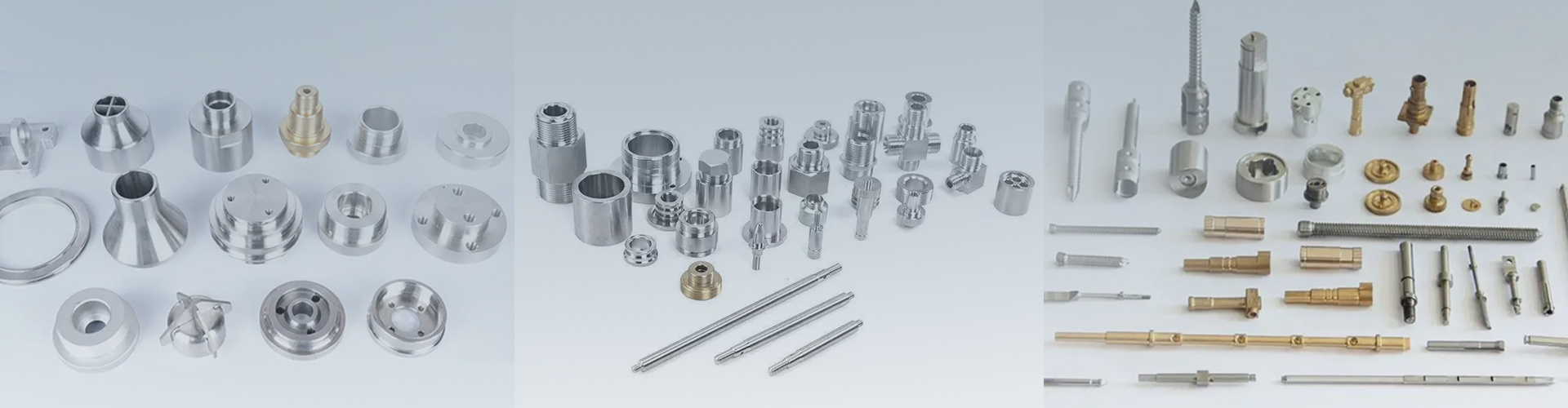
Understanding Precision Parts: The Backbone of Modern Machinery Manufacturing
Published Time:
2025-10-25
In the world of manufacturing, precision parts play a crucial role in ensuring that machinery and equipment operate effectively and reliably. These components are characterized by their exact dimensions and tolerances, which are essential for the seamless integration of various machine elements. In industries ranging from automotive to aerospace, the demand for precision parts has skyrocketed, driven by the need for enhanced performance, durability, and efficiency.
Precision parts are produced using advanced techniques such as CNC (Computer Numerical Control) machining, which allows for the meticulous shaping and sizing of materials. This method ensures that the manufactured components adhere to tight tolerances, reducing the likelihood of errors that could lead to machinery malfunctions. For instance, components that require a high degree of accuracy, such as gears or bearings, must be crafted with precision to ensure optimal functioning within larger assemblies.
Additionally, the materials used in the production of precision parts are often selected for their specific properties. Metals such as aluminum, steel, and titanium are commonly used due to their strength and ability to withstand wear and tear. However, newer materials, like composites and advanced alloys, are gaining traction for their lightweight yet durable characteristics. This evolution in material science contributes to the creation of parts that are not only precise but also cater to the demands of modern applications.
The importance of precision parts extends beyond mere functionality. In today's competitive market, manufacturers seek to minimize waste and improve efficiency, and precision machining offers a solution to these challenges. By reducing the amount of raw material required and lowering the rates of rework or scrap due to inaccuracies, businesses can achieve significant cost savings and streamline their operations.
Moreover, precision parts are integral to the advancement of automation and robotics in manufacturing. As industries increasingly adopt automated systems, the need for high-accuracy components becomes even more pronounced. Robots and automated machinery rely on precision parts to perform tasks with consistent accuracy, which is vital for maintaining production rates and quality standards.
In conclusion, precision parts are fundamental to the manufacturing sector, particularly in mechanical processing and component fabrication. Their ability to enhance the performance and reliability of machinery cannot be overstated. As technology continues to advance, the methods for producing these parts will evolve, enabling manufacturers to meet the growing demands of various industries while maintaining high standards of quality and precision. Understanding the significance of precision parts not only aids in improving operational efficiencies but also positions businesses to thrive in an increasingly competitive landscape.
NewsCenter
 2026-10-10


Beijing Pafinal Precision Machinery Co., Ltd.
Email:sales@pafinal.com

Address: No. 239 Huanhe South Road, Tianjin Pilot Free Trade Zone (Airport Economic Zone), Tianjin
中企跨境-全域组件
制作前进入CSS配置样式
sales@pafinal.com:
Whatsapp:
在线客服添加返回顶部
图片alt标题设置: PAFINAL
表单验证提示文本: Content cannot be empty!
循环体没有内容时: Sorry,no matching items were found.
CSS / JS 文件放置地