

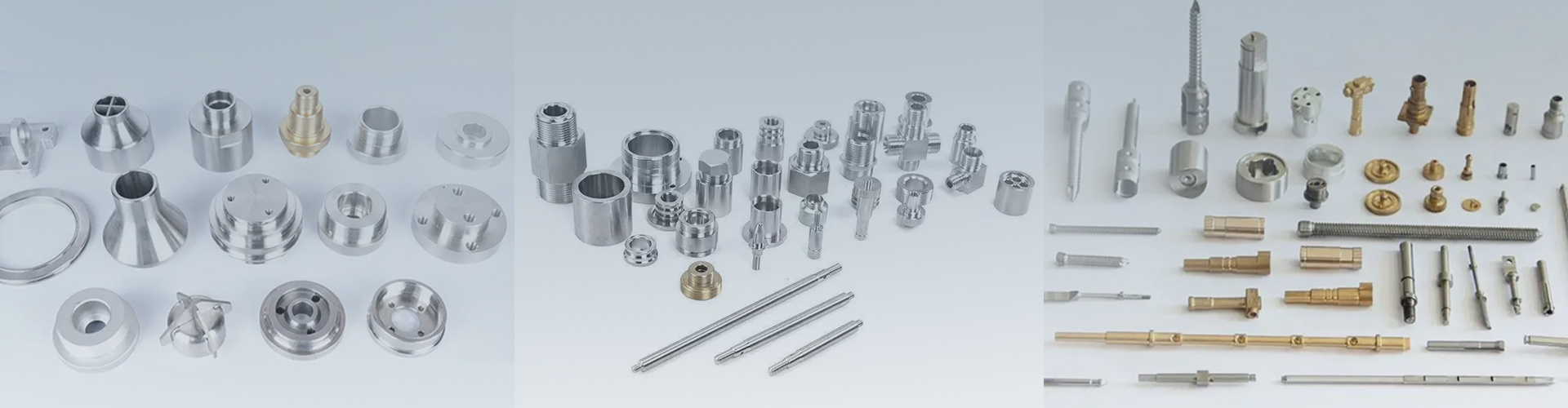
CNC Swiss Machining: A Game Changer for Aluminum Component Production
Published Time:
2025-10-24
CNC Swiss Machining: A Game Changer for Aluminum Component Production
Table of Contents
- 1. Introduction to CNC Swiss Machining
- 2. What is CNC Swiss Machining?
- 3. Benefits of CNC Swiss Machining for Aluminum Components
- 4. Applications of CNC Swiss Machining in Various Industries
- 5. How CNC Swiss Machining Works
- 6. Material Considerations for CNC Swiss Machining
- 7. Cost-Effectiveness of CNC Swiss Machining
- 8. The Future of CNC Swiss Machining
- 9. Conclusion
- 10. Frequently Asked Questions (FAQs)
1. Introduction to CNC Swiss Machining
In recent years, **CNC Swiss machining** has emerged as a groundbreaking technique in the manufacturing sector, especially for producing **aluminum components**. This precision machining method offers unparalleled efficiency, accuracy, and versatility, making it a preferred choice for industries requiring high-quality parts. In this article, we will explore how CNC Swiss machining is reshaping the landscape of aluminum component production, highlighting its numerous benefits and applications.
2. What is CNC Swiss Machining?
**CNC Swiss machining** refers to a type of computer numerical control (CNC) machining that utilizes a specialized lathe designed for high-precision parts manufacturing. Unlike traditional machining methods, Swiss machining allows for the processing of small, intricate components with tight tolerances.
The term "Swiss" originated from the **Swiss watchmaking industry**, where this technique was initially developed to produce small and complex parts. The **CNC Swiss lathe** can move the workpiece in multiple axes, enabling the creation of complex geometries with minimal manual intervention.
3. Benefits of CNC Swiss Machining for Aluminum Components
CNC Swiss machining offers a plethora of benefits that make it an ideal solution for aluminum component production. Some of the key advantages include:
3.1 High Precision and Accuracy
One of the standout benefits of CNC Swiss machining is its ability to produce components with **exceptional precision**. The automated controls and advanced tooling allow for tight tolerances, ensuring that each part meets stringent specifications.
3.2 Increased Production Efficiency
The efficiency of CNC Swiss machining is unmatched. The continuous feed of the workpiece minimizes downtime, allowing for **higher throughput** and reduced lead times. This efficiency translates into significant cost savings for manufacturers.
3.3 Versatility in Design
CNC Swiss machining can accommodate a wide range of designs, from simple parts to complex assemblies. This versatility makes it suitable for various applications across multiple industries, including aerospace, automotive, and medical.
3.4 Reduced Material Waste
The precision of CNC Swiss machining leads to reduced material waste. Since parts are machined to exact specifications, there's less scrap material, contributing to a more sustainable manufacturing process.
3.5 Enhanced Surface Finish
The machining process used in CNC Swiss machining produces a superior surface finish, which is essential for many applications. This high-quality finish often requires less post-processing, saving time and costs.
4. Applications of CNC Swiss Machining in Various Industries
CNC Swiss machining has applications across various industries, thanks to its precision and efficiency. Here are some key sectors where this technology is making a significant impact:
4.1 Aerospace Industry
In the aerospace sector, the demand for high-precision components is critical. CNC Swiss machining is ideal for producing parts such as turbine blades, control valves, and landing gear components, where accuracy and reliability are paramount.
4.2 Automotive Industry
The automotive industry relies on CNC Swiss machining for manufacturing complex parts like fuel injectors, transmission components, and fittings. The ability to produce lightweight aluminum parts with precision is driving innovation in vehicle design.
4.3 Medical Device Manufacturing
Medical devices require stringent quality standards and precision. CNC Swiss machining is utilized to manufacture components such as surgical instruments, implants, and connectors, ensuring safety and efficacy in healthcare applications.
4.4 Electronics Industry
The electronics industry benefits from CNC Swiss machining for producing intricate parts such as connectors, housings, and components for circuit boards. The precision of this machining method helps in meeting the high demands of electronic applications.
5. How CNC Swiss Machining Works
Understanding the inner workings of CNC Swiss machining requires a glance at its setup and processes involved.
5.1 Machine Setup
Before the machining process begins, the CNC Swiss lathe must be set up correctly. This involves:
- Selecting the Appropriate Tooling: Choosing the right cutting tools based on the material and desired outcome.
- Programming the CNC: Inputting the desired specifications into the CNC system for automation.
- Loading the Workpiece: Positioning the aluminum bar stock securely in the machine.
5.2 The Machining Process
Once the setup is complete, the machining process begins:
1. **Feeding the Material**: The aluminum bar stock is fed into the machine.
2. **Turning and Milling**: The workpiece is rotated while cutting tools shape it into the desired form, allowing for simultaneous operations like turning and milling.
3. **Finishing Operations**: After the primary machining, finishing tools may be employed to achieve the desired surface quality.
The entire process is monitored by the CNC system to ensure accuracy and consistency.
6. Material Considerations for CNC Swiss Machining
When it comes to CNC Swiss machining, **material selection** plays a vital role in the success of the manufacturing process. Aluminum is a preferred choice due to its favorable properties, including lightweight, corrosion resistance, and excellent machinability.
6.1 Types of Aluminum Alloys
Different aluminum alloys can be utilized in CNC Swiss machining, each offering unique benefits:
- **6061 Aluminum**: Known for its strength and versatility, suitable for various applications.
- **7075 Aluminum**: Offers high strength-to-weight ratios, ideal for aerospace applications.
- **2024 Aluminum**: Known for its fatigue resistance, making it suitable for high-stress environments.
Choosing the right alloy depends on the specific requirements of the component being manufactured.
7. Cost-Effectiveness of CNC Swiss Machining
Cost-effectiveness is a significant advantage of CNC Swiss machining. The combination of high-speed production, reduced material waste, and minimal need for post-processing contributes to lower overall costs.
7.1 Labor Efficiency
CNC Swiss machining requires fewer operators compared to traditional machining processes, leading to lower labor costs. The automation significantly reduces manual intervention, allowing skilled workers to focus on more complex tasks.
7.2 Investment in Technology
While the initial investment in CNC Swiss machining equipment can be high, the long-term savings and benefits typically outweigh these costs. Efficient production processes lead to higher ROI over time.
8. The Future of CNC Swiss Machining
As technology continues to evolve, the future of CNC Swiss machining looks promising. Innovations such as **Industry 4.0** and **smart manufacturing** are set to enhance operational efficiency further.
8.1 Integration of AI and IoT
The incorporation of artificial intelligence (AI) and the Internet of Things (IoT) into CNC Swiss machining processes will enable real-time monitoring and predictive maintenance, ensuring optimal machine performance and reducing downtime.
8.2 Sustainability Practices
The push for sustainability in manufacturing will drive the adoption of eco-friendly practices, such as better waste management and energy-efficient operations, further enhancing the appeal of CNC Swiss machining.
9. Conclusion
CNC Swiss machining is undeniably a game changer for aluminum component production. Its combination of precision, efficiency, versatility, and cost-effectiveness positions it as a leading choice for manufacturers across various industries. As we look to the future, continued advancements in technology promise to further enhance the capabilities and applications of CNC Swiss machining, solidifying its role in modern manufacturing.
10. Frequently Asked Questions (FAQs)
10.1 What types of materials can be machined using CNC Swiss machining?
CNC Swiss machining is primarily used for aluminum, but it is also effective for machining materials like brass, stainless steel, and titanium.
10.2 What industries benefit from CNC Swiss machining?
Industries including aerospace, automotive, medical device manufacturing, and electronics all benefit significantly from CNC Swiss machining.
10.3 How does CNC Swiss machining differ from traditional machining?
CNC Swiss machining utilizes a specialized lathe that allows for high precision and complex geometries, whereas traditional machining often relies on manual processes and less automated equipment.
10.4 What are the key advantages of using aluminum in CNC Swiss machining?
Aluminum offers lightweight properties, excellent machinability, corrosion resistance, and good thermal conductivity, making it ideal for various applications.
10.5 Is CNC Swiss machining cost-effective?
Yes, while the initial investment may be high, the efficiency, reduced material waste, and lower labor costs associated with CNC Swiss machining typically lead to significant long-term savings.
NewsCenter
 2026-10-10


Beijing Pafinal Precision Machinery Co., Ltd.
Email:sales@pafinal.com

Address: No. 239 Huanhe South Road, Tianjin Pilot Free Trade Zone (Airport Economic Zone), Tianjin
中企跨境-全域组件
制作前进入CSS配置样式
sales@pafinal.com:
Whatsapp:
在线客服添加返回顶部
图片alt标题设置: PAFINAL
表单验证提示文本: Content cannot be empty!
循环体没有内容时: Sorry,no matching items were found.
CSS / JS 文件放置地