

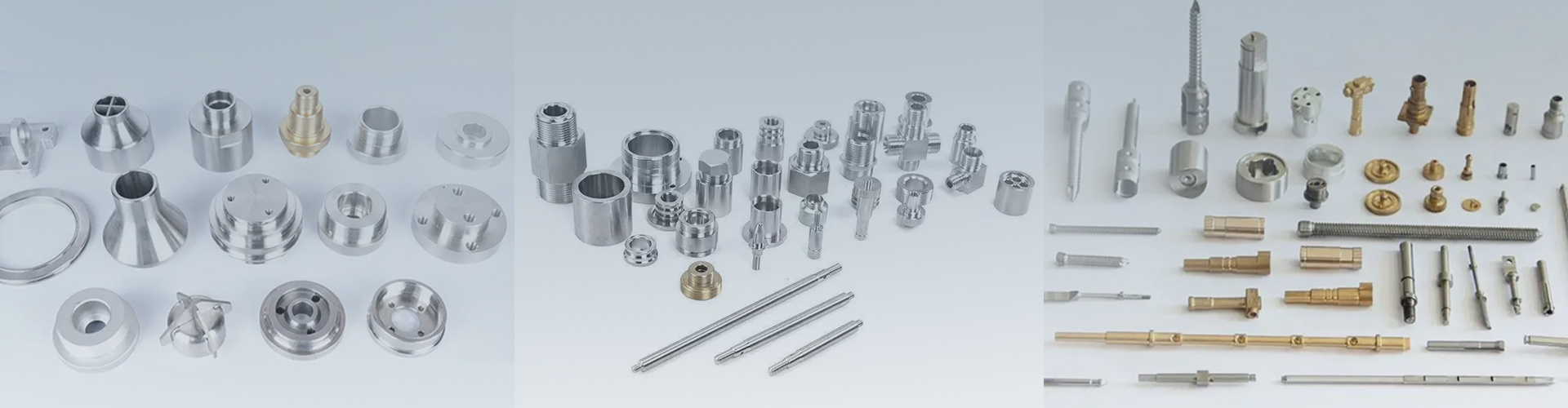
Understanding CNC Swiss Brass Machined Parts: A Comprehensive Guide for Professionals
Published Time:
2025-10-23
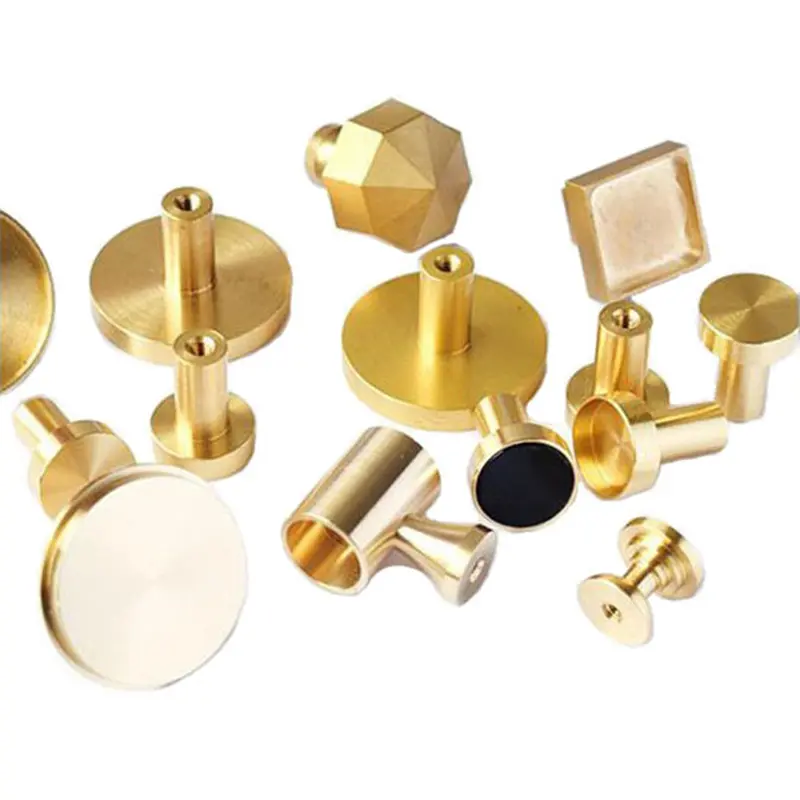
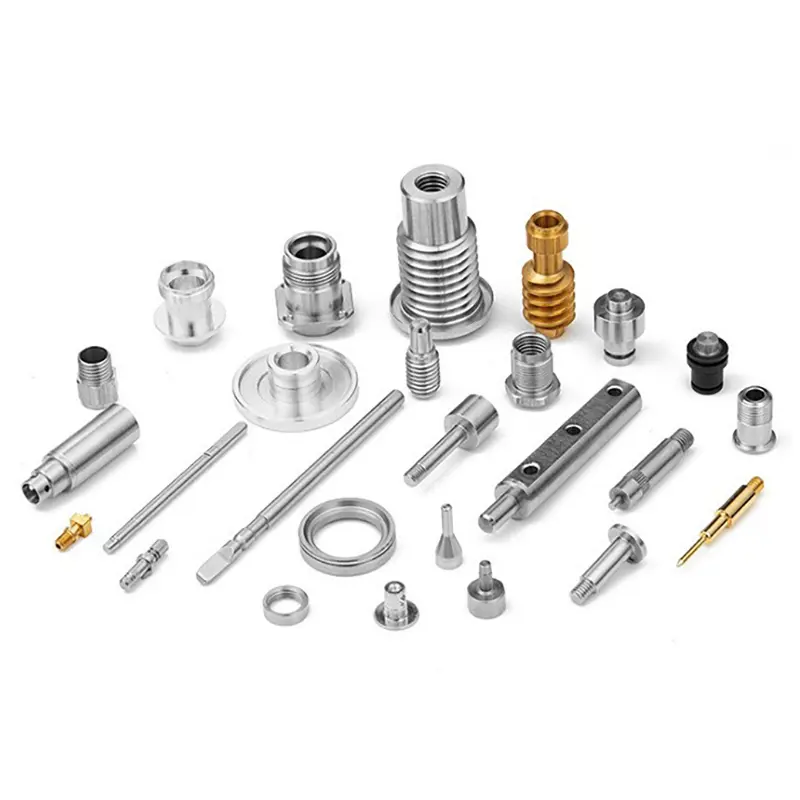
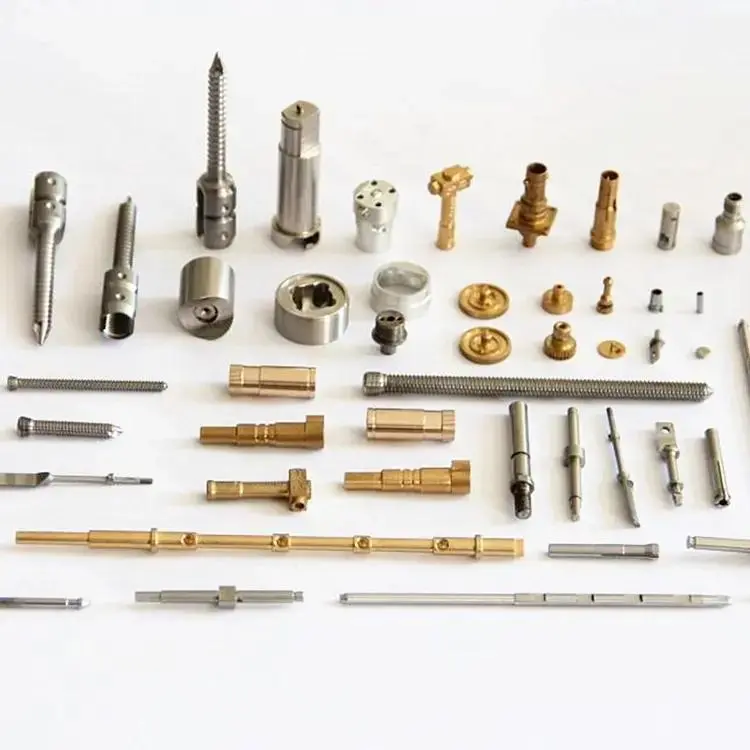
CNC Swiss brass machined parts are a critical aspect of modern manufacturing, particularly within the machining and hardware processing sectors. The term "CNC" stands for Computer Numerical Control, which refers to the automation of machine tools through computer programming. This technology enables the precise manipulation of tools and machinery to produce complex parts with high accuracy.
One of the primary advantages of CNC Swiss machining is the ability to create intricate designs with a high level of detail. The Swiss machining process allows for the production of small-diameter components, which is especially beneficial in industries such as electronics, medical devices, and automotive manufacturing. Brass, with its excellent machinability and corrosion resistance, is often the material of choice for these applications.
When it comes to the manufacturing process of CNC Swiss brass machined parts, it begins with a solid brass rod placed into the CNC Swiss lathe. The lathe's feed mechanism moves the material forward while rotating it at high speeds. As the brass rotates, precise cutting tools shape the part according to the programmed specifications. This process allows for continuous production, which enhances efficiency and reduces waste.
In addition to efficiency, CNC Swiss brass machined parts offer superior repeatability and consistency. Once a part's specifications are programmed into the CNC system, it can produce identical components with minimal variation. This reliability is essential for industries that require parts to meet stringent quality standards.
Furthermore, CNC Swiss machining accommodates a variety of finishes and post-processing options, including plating, anodizing, and polishing. This flexibility enables manufacturers to meet specific customer requirements regarding aesthetics and functionality.
The application scope for CNC Swiss brass machined parts is vast. In the medical field, they are commonly used for connectors, valves, and components in surgical instruments. In the automotive sector, these parts can be found in fuel systems, sensors, and other critical components. The versatility of CNC Swiss machining allows manufacturers to respond quickly to changing market demands, producing custom parts tailored to unique specifications.
In conclusion, CNC Swiss brass machined parts represent a vital component in today's manufacturing landscape. Their precision, efficiency, and adaptability make them indispensable in several industries. Understanding the processes and benefits associated with these parts can help professionals in the field make informed decisions, optimize production methods, and enhance overall product quality. Whether you're considering CNC Swiss machining for your next project or looking to improve existing processes, gaining insight into brass machined parts is essential for success in the competitive manufacturing arena.
NewsCenter
 2026-10-10


Beijing Pafinal Precision Machinery Co., Ltd.
Email:sales@pafinal.com

Address: No. 239 Huanhe South Road, Tianjin Pilot Free Trade Zone (Airport Economic Zone), Tianjin
中企跨境-全域组件
制作前进入CSS配置样式
sales@pafinal.com:
Whatsapp:
在线客服添加返回顶部
图片alt标题设置: PAFINAL
表单验证提示文本: Content cannot be empty!
循环体没有内容时: Sorry,no matching items were found.
CSS / JS 文件放置地