

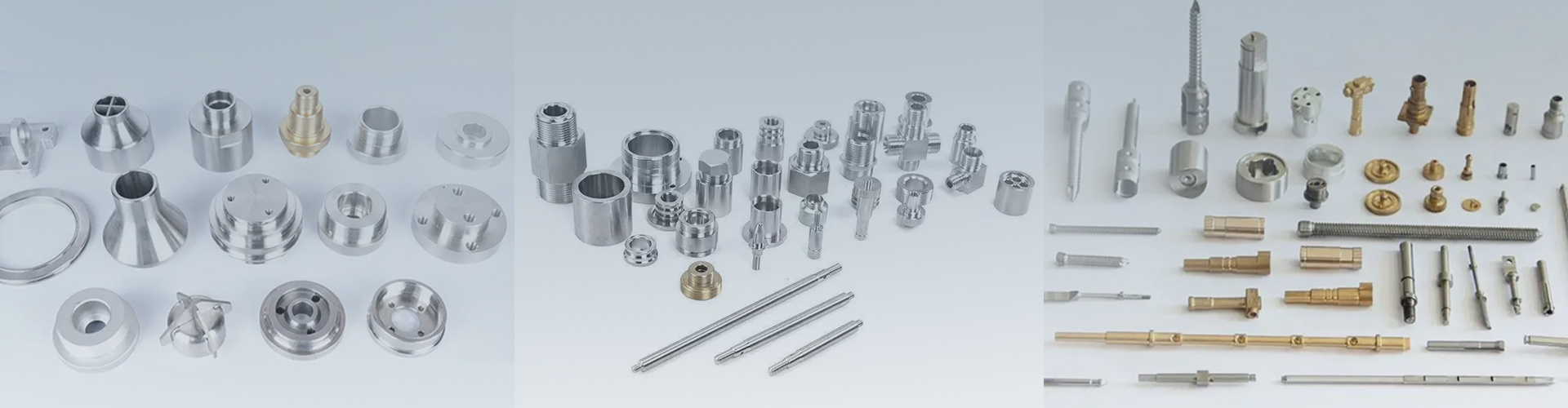
CNC Swiss Machining: Your Key to High-Quality Stainless Steel Parts
Published Time:
2025-10-22
CNC Swiss Machining: Your Key to High-Quality Stainless Steel Parts
Table of Contents
- 1. Understanding CNC Swiss Machining
- 2. Advantages of CNC Swiss Machining for Stainless Steel Parts
- 3. Stainless Steel and Its Benefits in Manufacturing
- 4. Applications of CNC Swiss Machining in Various Industries
- 5. Techniques and Technology Behind CNC Swiss Machining
- 6. Choosing the Right CNC Swiss Machine for Your Needs
- 7. Cost-Effectiveness and Return on Investment of CNC Swiss Machining
- 8. The Future of CNC Swiss Machining in Manufacturing
- 9. FAQs about CNC Swiss Machining
- 10. Conclusion
1. Understanding CNC Swiss Machining
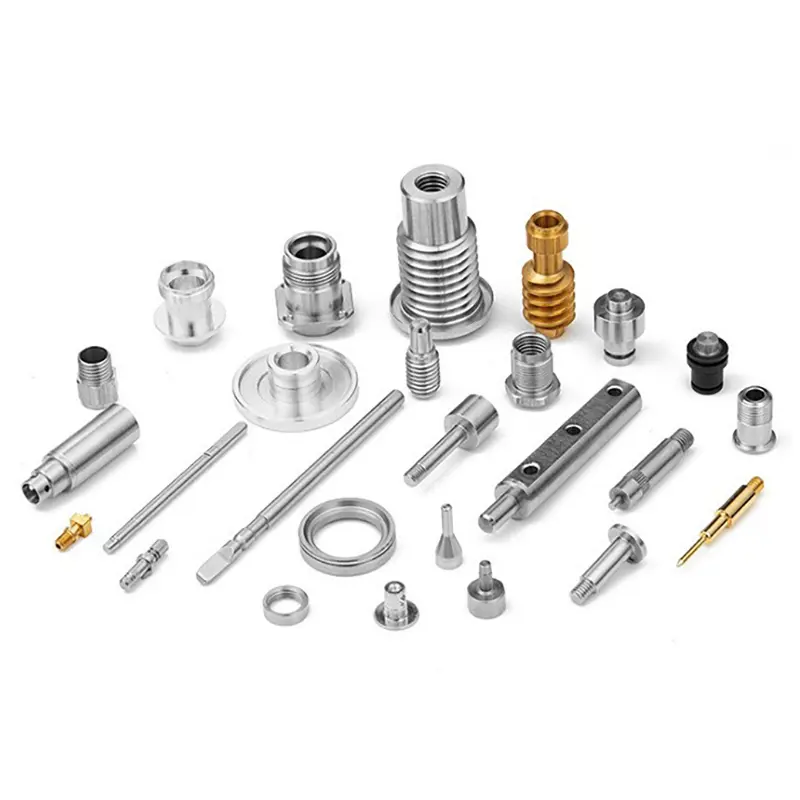
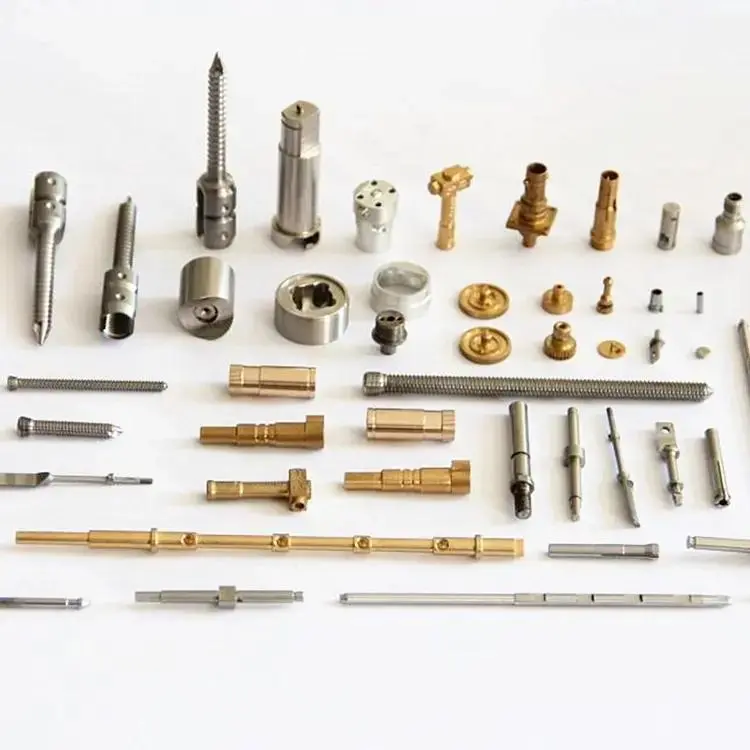
CNC Swiss machining is a **revolutionary manufacturing process** that specializes in producing **high-precision parts** from metal materials, particularly stainless steel. This method employs a computer numerical control system to guide the cutting tools, allowing for **remarkable accuracy** and **efficiency**. Unlike traditional machining, CNC Swiss machining offers the ability to create complex geometries and **tighter tolerances**, making it the go-to choice for industries requiring high-quality components.
The process begins with a bar of stainless steel fed into the machine. As the bar rotates, various cutting tools move along multiple axes to shape the part. This simultaneous movement leads to reduced cycle times and minimal waste, optimizing the overall manufacturing process.
2. Advantages of CNC Swiss Machining for Stainless Steel Parts
The advantages of CNC Swiss machining are numerous, especially when it comes to producing **stainless steel parts**:
Precision and Accuracy
CNC Swiss machines deliver unparalleled precision, with the capability to achieve tolerances as tight as **±0.001 inches**. This level of accuracy is invaluable in industries such as aerospace, medical, and automotive, where component failure is not an option.
Complex Geometries
The ability to create intricate designs is a hallmark of CNC Swiss machining. From **micro-components** to complex geometrical shapes, this method can handle a wide variety of designs that traditional machining methods may struggle with.
Reduced Material Waste
With CNC Swiss machining, material waste is significantly minimized. The method enables **efficient utilization** of the stainless steel bar, translating into cost savings and a more sustainable manufacturing process.
Enhanced Production Speed
By automating the machining process, CNC Swiss systems significantly reduce production times. The ability to run multiple operations simultaneously means quicker turnaround times for orders, meeting the demands of fast-paced industries.
3. Stainless Steel and Its Benefits in Manufacturing
Stainless steel is a preferred material in machining due to its unique properties:
Corrosion Resistance
Stainless steel is renowned for its **corrosion resistance**, making it an ideal choice for products exposed to moisture and chemicals. This property ensures longevity and reliability in components used in harsh environments.
Durability and Strength
The inherent strength of stainless steel allows for the production of robust parts that can withstand significant pressure and stress. This durability makes it suitable for applications in demanding industries.
Ease of Fabrication
Despite its strength, stainless steel is relatively easy to machine, allowing for efficient production of intricate designs with high precision. The compatibility with CNC Swiss machining further enhances its fabrication capabilities.
4. Applications of CNC Swiss Machining in Various Industries
The versatility of CNC Swiss machining lends itself to a wide range of applications across different industries:
Aerospace Industry
In the aerospace sector, the need for lightweight yet strong components is critical. CNC Swiss machining produces parts such as **fasteners, brackets, and fittings** that meet stringent aerospace standards.
Medical Devices
The precision required for medical devices cannot be overstated. CNC Swiss machining is utilized to manufacture **surgical instruments** and device components like **valves and fittings**, ensuring reliability and safety.
Automotive Components
The automotive industry relies heavily on CNC Swiss machining for producing high-quality **engine components, transmission parts, and critical fastening systems**. The enhanced accuracy and performance translate into improved vehicle reliability.
Electronics Manufacturing
In electronics, small and complex parts are essential. CNC Swiss machining produces components such as **connectors, housings, and heat sinks**, catering to the evolving demands of the tech market.
5. Techniques and Technology Behind CNC Swiss Machining
The success of CNC Swiss machining lies in its advanced techniques and technologies:
Multi-Axis Machining
Modern CNC Swiss machines operate on multiple axes, typically 7 to 9, allowing simultaneous cutting operations. This capability enables the production of complex parts in a single setup, significantly enhancing efficiency.
Live Tooling
Live tooling allows the integration of additional cutting tools that can be utilized while the part is being machined. This feature enables the production of features like **slots, holes, and contours** without needing to reposition the workpiece.
Automation and Smart Technology
With the rise of Industry 4.0, CNC Swiss machines are increasingly equipped with smart technology that enables real-time monitoring and adjustments. This improvement enhances precision and reduces downtime caused by human error.
6. Choosing the Right CNC Swiss Machine for Your Needs
Selecting the appropriate CNC Swiss machine is crucial for optimizing your production process. Consider the following factors:
Production Volume
Evaluate your production volume to determine the size and capability of the machine required. High-volume production might necessitate larger, more advanced machines with greater automation features.
Type of Parts
Consider the types of parts you intend to manufacture. Complex parts may require machines with advanced multi-axis capabilities and live tooling features.
Budget and Cost of Ownership
Assess your budget, keeping in mind the total cost of ownership, which includes maintenance, tooling, and operational costs. Investing in a machine that offers robust performance and low operational costs can lead to significant savings in the long run.
7. Cost-Effectiveness and Return on Investment of CNC Swiss Machining
CNC Swiss machining offers a strong return on investment (ROI) due to its efficiency and precision. Here’s how:
Reduced Labor Costs
Automation reduces the need for extensive manual labor, leading to lower labor costs. Operators can focus on overseeing the process rather than performing repetitive tasks.
Minimized Waste
The efficiency of CNC Swiss machining means less wasted material, contributing to substantial cost savings over time. The high precision also reduces the likelihood of rework and scrap.
Faster Production Times
The speed of production directly impacts profitability. With CNC Swiss machining, faster turnaround times mean quicker deliveries and the ability to fulfill more orders, enhancing your market competitiveness.
8. The Future of CNC Swiss Machining in Manufacturing
Looking ahead, CNC Swiss machining is poised to evolve further with technological advancements:
Integration of AI and Machine Learning
Artificial intelligence and machine learning are set to revolutionize CNC Swiss machining by enhancing predictive maintenance and optimizing machining processes. This integration will lead to even greater efficiency and precision.
Increased Customization
As customer demands shift toward customized solutions, CNC Swiss machining's ability to produce tailored components will be a significant advantage, allowing for **on-demand manufacturing**.
Sustainability Focus
The push for sustainable manufacturing practices will drive innovations in CNC Swiss machining, focusing on reducing energy consumption and material waste. Companies adopting eco-friendly practices will likely gain a competitive edge.
9. FAQs about CNC Swiss Machining
What materials can be used in CNC Swiss machining?
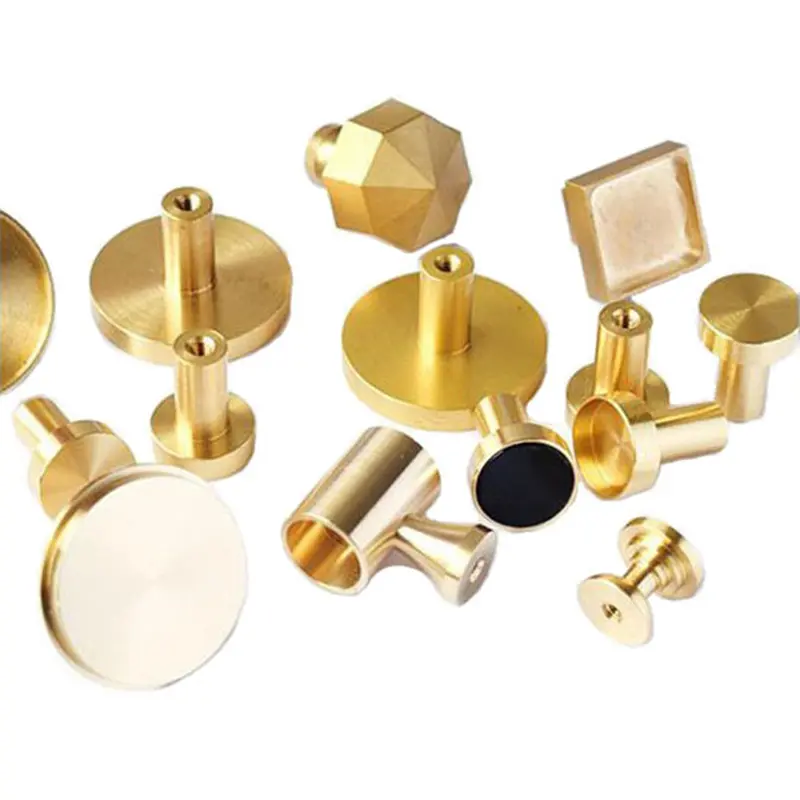
CNC Swiss machining is highly versatile and can work with a variety of materials, including **stainless steel, aluminum, brass, and plastics**. Stainless steel, however, is particularly favored for its strength and resistance to corrosion.
How does CNC Swiss machining differ from traditional machining?
CNC Swiss machining uses a rotating bar stock and multiple axes of movement, allowing for high precision and the production of complex parts in one setup. Traditional machining often involves fixed tooling and may require multiple setups to achieve similar results.
What industries benefit most from CNC Swiss machining?
Industries such as **aerospace, medical devices, automotive, and electronics** benefit significantly from CNC Swiss machining due to its ability to produce high-quality, precise components within strict tolerances.
How can I improve the efficiency of my CNC Swiss machining process?
To enhance efficiency, consider investing in **modern CNC machines with automation features**, optimizing your setup process, and implementing regular maintenance schedules to prevent downtime.
Is CNC Swiss machining suitable for small batch production?
Yes, CNC Swiss machining is ideal for small to medium batch production. Its quick setup and high precision make it economically viable for producing specialized parts without excessive material waste.
10. Conclusion
CNC Swiss machining stands at the forefront of modern manufacturing, particularly for producing high-quality stainless steel parts. With its precision, efficiency, and capability to create complex geometries, this innovative technology is essential for various industries. By understanding its advantages and applications, businesses can leverage CNC Swiss machining to enhance their production processes, reduce costs, and meet the evolving demands of the market. Embracing this advanced manufacturing method will not only optimize operations but also position companies for future success in a competitive landscape.
Next Page
NewsCenter
 2026-10-10


Beijing Pafinal Precision Machinery Co., Ltd.
Email:sales@pafinal.com

Address: No. 239 Huanhe South Road, Tianjin Pilot Free Trade Zone (Airport Economic Zone), Tianjin
中企跨境-全域组件
制作前进入CSS配置样式
sales@pafinal.com:
Whatsapp:
在线客服添加返回顶部
图片alt标题设置: PAFINAL
表单验证提示文本: Content cannot be empty!
循环体没有内容时: Sorry,no matching items were found.
CSS / JS 文件放置地