

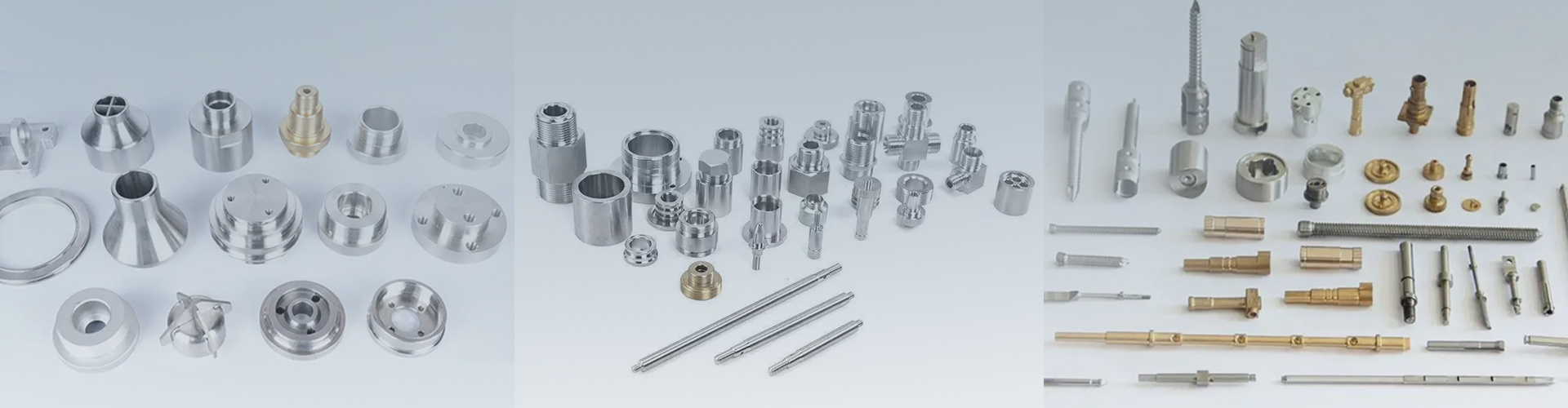
Understanding Machined Parts: Essential Insights for Manufacturing Professionals
Published Time:
2025-10-21
---
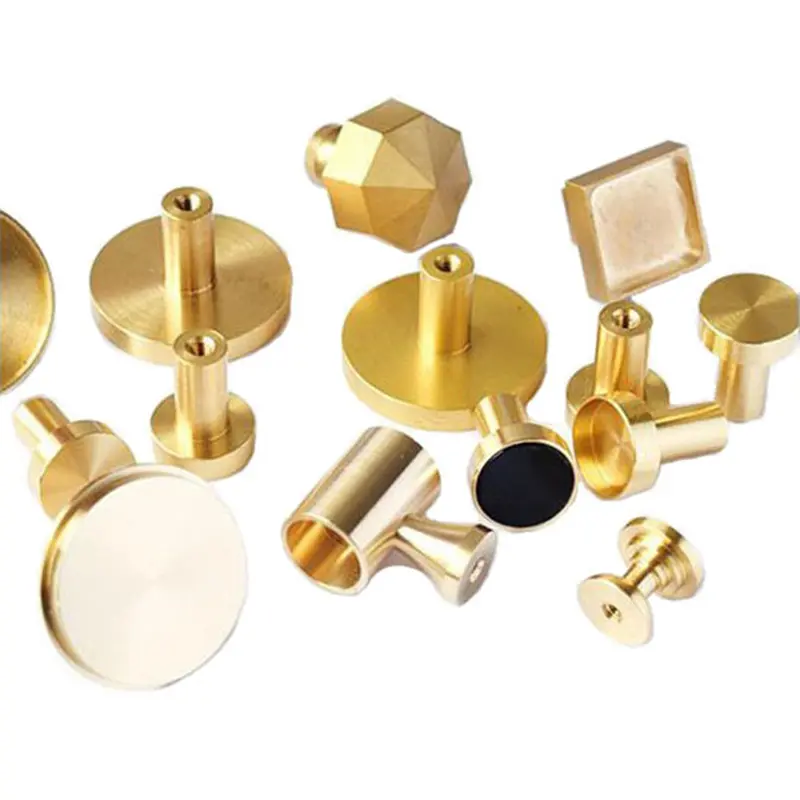
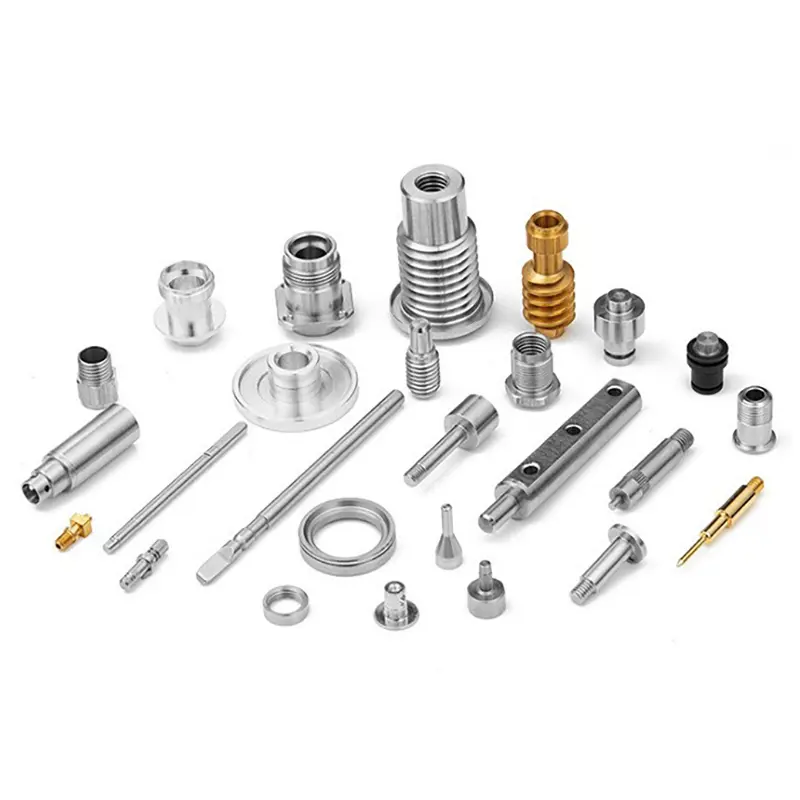
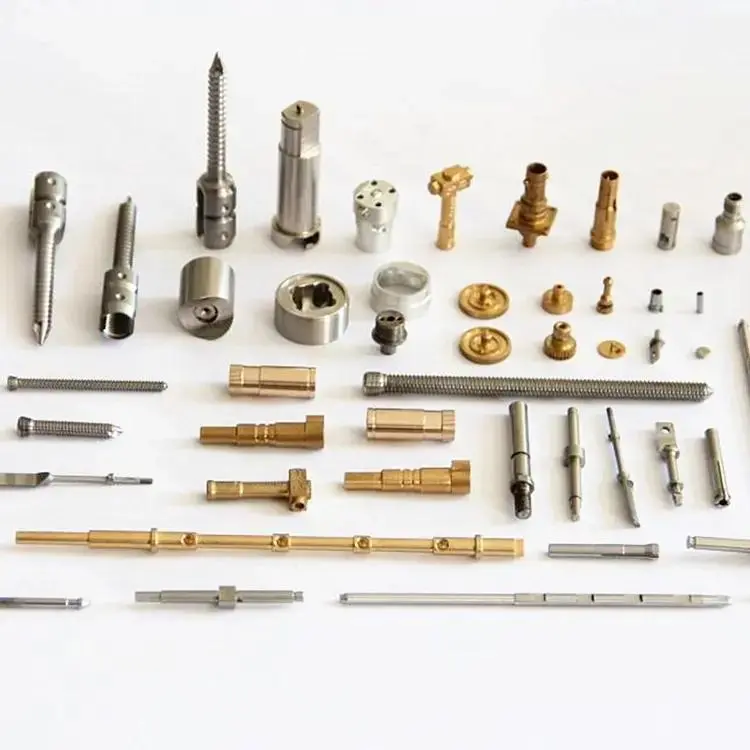
Machined parts are core components in the manufacturing and machine processing industry, playing a critical role in the assembly and functionality of various mechanical systems. These parts, often crafted from materials such as metals, plastics, or composites, undergo precise machining processes to achieve desired specifications and tolerances. Understanding the nuances of machined parts can significantly enhance operational efficiency and product quality in your projects.
The process of creating machined parts involves several stages, including design, material selection, machining, and finishing. Initially, engineers and designers create detailed specifications and blueprints, which serve as the foundation for the machining process. Choosing the right material is crucial, as it directly affects the part's performance, durability, and suitability for its intended application. Common materials include aluminum for lightweight applications, steel for strength, and high-performance plastics for corrosive environments.
Machining techniques, such as turning, milling, and grinding, are employed to transform raw materials into precise components. Each method has its advantages and is selected based on factors like complexity, volume, and required tolerances. For instance, CNC (Computer Numerical Control) machining has revolutionized the industry by allowing for highly automated and accurate production, which is especially beneficial for complex geometries and large production runs.
Quality control is paramount when dealing with machined parts. Precision measuring tools and techniques, such as coordinate measuring machines (CMM) and laser scanning, are utilized to ensure that each part meets stringent specifications. Implementing robust quality assurance protocols not only reduces waste and rework but also enhances customer satisfaction by delivering reliable and high-quality products.
Another vital aspect to consider is the finishing process, which can include treatments like anodizing, plating, or painting. These processes not only improve the aesthetic appeal of the machined parts but also enhance their corrosion resistance and wear properties, making them suitable for various applications across industries such as automotive, aerospace, and electronics.
In conclusion, understanding the intricacies of machined parts is essential for manufacturing professionals. From the initial design and material selection to the final finishing touches, each step in the process contributes to the overall quality and functionality of the components. Keeping abreast of the latest machining technologies and practices can lead to improved efficiency and innovation within your manufacturing operations. As you navigate the complexities of machined parts, always prioritize quality and precision to ensure success in your projects.
Previous Page
NewsCenter
 2026-10-10


Beijing Pafinal Precision Machinery Co., Ltd.
Email:sales@pafinal.com

Address: No. 239 Huanhe South Road, Tianjin Pilot Free Trade Zone (Airport Economic Zone), Tianjin
中企跨境-全域组件
制作前进入CSS配置样式
sales@pafinal.com:
Whatsapp:
在线客服添加返回顶部
图片alt标题设置: PAFINAL
表单验证提示文本: Content cannot be empty!
循环体没有内容时: Sorry,no matching items were found.
CSS / JS 文件放置地