

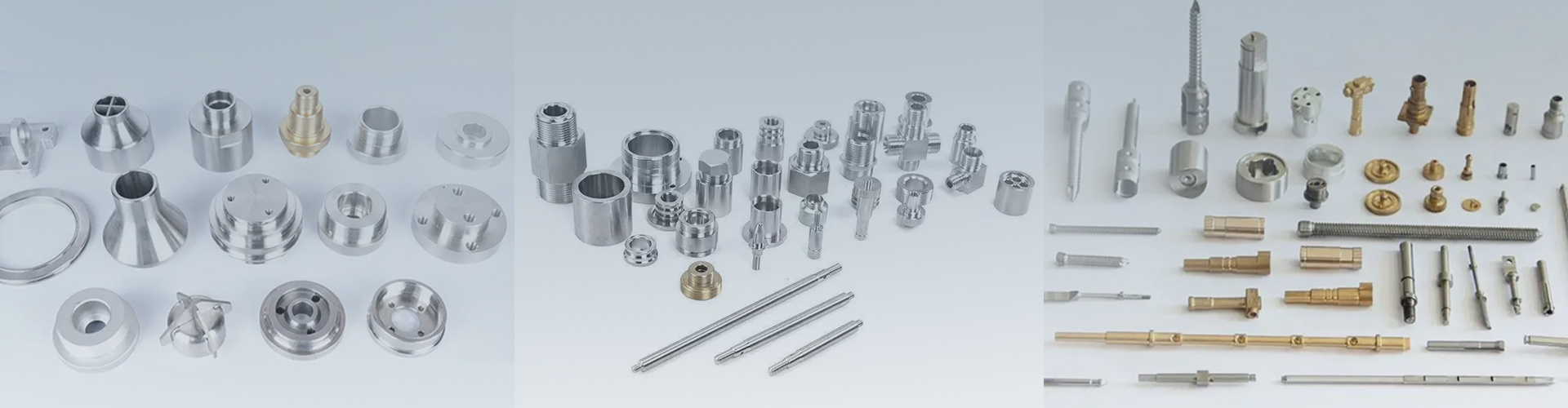
Quality Assurance in Aerospace Machined Parts: Essential Insights and Best Practices
Published Time:
2025-10-20
Quality Assurance in Aerospace Machined Parts: Essential Insights and Best Practices
Table of Contents
- 1. Introduction to Quality Assurance in Aerospace Manufacturing
- 2. The Importance of Quality Assurance in Aerospace Machined Parts
- 3. Key Industry Standards for Aerospace Components
- 4. The Quality Assurance Process in Machined Parts
- 5. Techniques for Effective Quality Control
- 6. Challenges in Ensuring Quality in Aerospace Machining
- 7. Case Studies Highlighting Quality Assurance Success
- 8. The Future of Quality Assurance in Aerospace Manufacturing
- 9. Frequently Asked Questions
- 10. Conclusion
1. Introduction to Quality Assurance in Aerospace Manufacturing
In the high-stakes environment of aerospace manufacturing, **quality assurance** plays a pivotal role in ensuring the safety, reliability, and performance of machined parts. Aerospace components must operate flawlessly under extreme conditions, making it imperative that manufacturers adhere to rigorous quality standards. This article delves into the multifaceted aspects of quality assurance in aerospace machined parts, exploring key techniques, industry standards, challenges, and future trends.
2. The Importance of Quality Assurance in Aerospace Machined Parts
Quality assurance in aerospace parts is not merely a regulatory requirement; it is a vital aspect of sustainable business practices. The **significance of quality assurance** can be highlighted through the following points:
2.1 Safety and Reliability
Aerospace components are integral to the safety of aircraft and, by extension, the lives of passengers and crew. **Defective parts** can lead to catastrophic failures, making quality assurance essential in safeguarding human lives.
2.2 Compliance with Regulatory Standards
The aerospace industry is governed by stringent regulations from bodies like the FAA (Federal Aviation Administration) and EASA (European Union Aviation Safety Agency). Manufacturers must ensure compliance with various standards to maintain their operational licenses.
2.3 Cost Efficiency
Investing in quality assurance can significantly reduce costs associated with rework, scrap, and liability claims. By preventing defects, companies can enhance productivity and profitability.
3. Key Industry Standards for Aerospace Components
Understanding and adhering to industry standards is critical for quality assurance in aerospace machined parts. Several key standards govern aerospace manufacturing:
3.1 AS9100 Certification
AS9100 is an internationally recognized standard that outlines quality management system requirements for the aerospace industry. Companies seeking this certification demonstrate their commitment to quality and continuous improvement.
3.2 ISO 9001
ISO 9001 is a general quality management standard that is applicable across various industries, including aerospace. Compliance with ISO 9001 ensures that organizations meet customer and regulatory requirements consistently.
3.3 NADCAP Accreditation
The National Aerospace and Defense Contractors Accreditation Program (NADCAP) focuses on special processes and products used in aerospace manufacturing. Companies with NADCAP accreditation are recognized for their commitment to quality in processes like welding, coatings, and heat treatment.
4. The Quality Assurance Process in Machined Parts
Implementing a robust quality assurance process involves several stages to ensure that every machined part meets the necessary specifications. The primary steps are:
4.1 Planning and Design Review
Quality assurance begins with careful planning and design reviews. This stage involves analyzing design requirements, material selection, and potential manufacturing issues that may arise.
4.2 Incoming Material Inspection
Verification of raw materials and components is crucial. Incoming inspection helps in identifying defects before they manifest in the final product.
4.3 In-Process Inspection
Conducting inspections during the manufacturing process allows manufacturers to identify and rectify defects in real-time, minimizing waste and rework.
4.4 Final Product Inspection and Testing
Once machining is completed, a thorough inspection of the final product is performed. This may include dimensional checks, visual inspections, and functional testing to ensure compliance with specifications.
4.5 Documentation and Traceability
Maintaining comprehensive documentation and traceability is essential for quality assurance. Proper records provide insights into manufacturing processes and help in identifying areas for improvement.
5. Techniques for Effective Quality Control
To foster a culture of quality assurance, manufacturers employ various **quality control techniques**:
5.1 Statistical Process Control (SPC)
SPC uses statistical methods to monitor and control manufacturing processes. By analyzing process variation, manufacturers can identify trends and mitigate issues before they escalate.
5.2 Failure Mode and Effects Analysis (FMEA)
FMEA is a systematic approach for evaluating potential failure modes within a process. By identifying risks early in the design phase, manufacturers can implement corrective actions to enhance reliability.
5.3 Root Cause Analysis (RCA)
RCA is crucial for identifying the underlying causes of defects. By addressing root causes, manufacturers can implement solutions that prevent recurrence.
5.4 Lean Manufacturing Principles
Adopting lean manufacturing principles helps streamline processes and eliminate waste. Techniques such as 5S (Sort, Set in order, Shine, Standardize, Sustain) contribute to maintaining a clean and efficient workspace.
6. Challenges in Ensuring Quality in Aerospace Machining
Despite advancements in technology and processes, several challenges persist in maintaining quality in aerospace machined parts:
6.1 Complex Geometries
Aerospace components often possess intricate designs that present challenges in machining and inspection. Ensuring precision and adherence to specifications can be demanding.
6.2 Material Variability
Variation in material properties can affect the performance of machined parts. Manufacturers must establish stringent material testing protocols to ensure consistency.
6.4 Technological Integration
With the rise of automation and Industry 4.0, integrating new technologies into existing processes can pose challenges in terms of training and system compatibility.
7. Case Studies Highlighting Quality Assurance Success
Real-world case studies provide valuable insights into effective quality assurance practices:
7.1 Case Study: Boeing's Quality Improvement Initiatives
Boeing has implemented a comprehensive quality assurance program that emphasizes collaboration, continuous improvement, and employee training. Their focus on quality has resulted in significant reductions in defects and enhanced customer satisfaction.
7.2 Case Study: Airbus and Lean Manufacturing
Airbus adopted lean manufacturing principles to streamline its production processes. By minimizing waste and optimizing workflows, the company significantly improved its quality metrics and delivery timelines.
8. The Future of Quality Assurance in Aerospace Manufacturing
As the aerospace industry evolves, so too will quality assurance practices. The future is likely to see:
8.1 Greater Use of Automation and AI
The integration of automation and artificial intelligence will enhance quality control processes, enabling manufacturers to identify defects more rapidly and accurately.
8.2 Advanced Non-Destructive Testing (NDT)
Innovations in NDT will provide more reliable ways to assess the integrity of aerospace components without causing damage, ensuring high safety standards.
8.3 Increased Focus on Sustainability
Sustainability will become a critical factor in quality assurance, with manufacturers focusing on eco-friendly practices and materials.
9. Frequently Asked Questions
9.1 What is the role of quality assurance in aerospace manufacturing?
Quality assurance ensures that machined parts meet safety and regulatory standards, enhancing reliability and performance.
9.2 What are the key industry standards for aerospace components?
Key standards include AS9100, ISO 9001, and NADCAP accreditation, which govern quality management systems and special processes.
9.3 How can manufacturers ensure the quality of incoming materials?
Manufacturers can implement rigorous incoming material inspections and established testing protocols to verify material quality.
9.4 What is the significance of documentation in quality assurance?
Documentation provides traceability and insights into manufacturing processes, aiding in identifying defects and implementing improvements.
9.5 What challenges do manufacturers face in maintaining aerospace quality assurance?
Challenges include complex geometries, material variability, technological integration, and maintaining compliance with stringent regulations.
10. Conclusion
Quality assurance in aerospace machined parts is an indispensable component of the manufacturing process. With stringent industry standards, effective quality control techniques, and a commitment to continuous improvement, manufacturers can ensure that their products meet the highest levels of safety and reliability. As the industry evolves, embracing new technologies and practices will be crucial for maintaining quality assurance and driving innovation in aerospace manufacturing. By prioritizing quality, manufacturers not only enhance their reputation but also contribute to the overall safety and advancement of the aerospace sector.
NewsCenter

 2026-10-10


Beijing Pafinal Precision Machinery Co., Ltd.
Email:sales@pafinal.com

Address: No. 239 Huanhe South Road, Tianjin Pilot Free Trade Zone (Airport Economic Zone), Tianjin
中企跨境-全域组件
制作前进入CSS配置样式
sales@pafinal.com:
Whatsapp:
在线客服添加返回顶部
图片alt标题设置: PAFINAL
表单验证提示文本: Content cannot be empty!
循环体没有内容时: Sorry,no matching items were found.
CSS / JS 文件放置地