

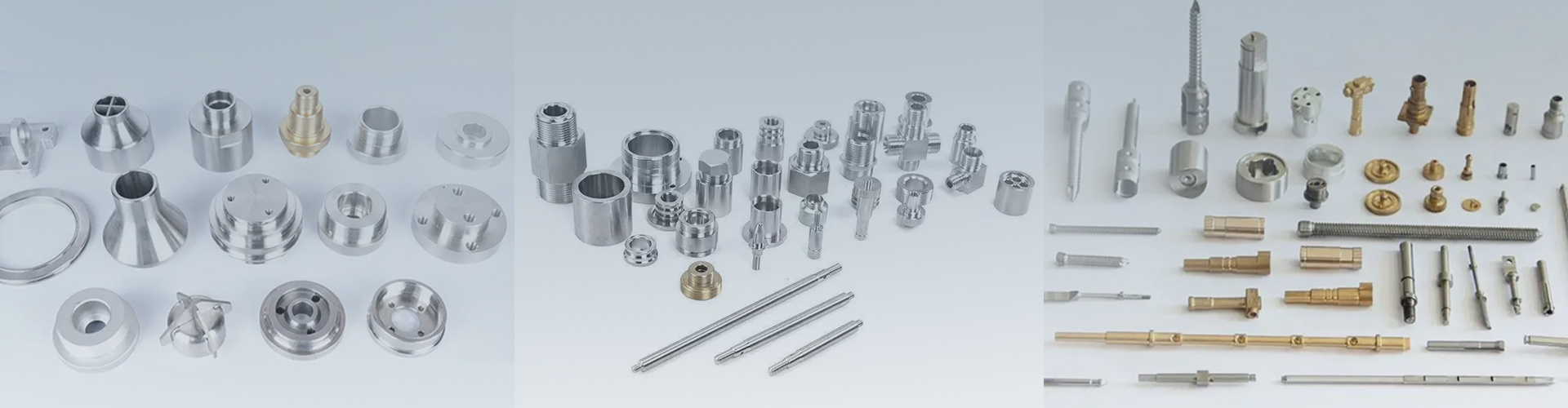
The Crucial Role of CNC Machining Parts in Custom Mechanical Manufacturing
Published Time:
2025-10-18
The Crucial Role of CNC Machining Parts in Custom Mechanical Manufacturing
Table of Contents
- 1. Introduction to CNC Machining in Mechanical Manufacturing
- 2. What is CNC Machining?
- 3. Advantages of CNC Machining Parts
- 4. Applications of CNC Machining Parts in Various Industries
- 5. The Custom Mechanical Manufacturing Process
- 6. Material Selection for CNC Machining Parts
- 7. The Future of CNC Machining in Custom Manufacturing
- 8. Conclusion: The Impact of CNC Machining on Manufacturing
- 9. FAQs about CNC Machining Parts
1. Introduction to CNC Machining in Mechanical Manufacturing
In the rapidly evolving landscape of manufacturing, **CNC (Computer Numerical Control) machining** stands out as a game-changing technology. This advanced method enables manufacturers to produce complex parts with exceptional precision and efficiency. Custom mechanical manufacturing relies heavily on **CNC machining parts** due to their ability to meet the diverse needs of various industries. As we explore the role of CNC machining in this context, we will examine how it revolutionizes production processes, enhances product quality, and drives innovation in mechanical engineering.
2. What is CNC Machining?
CNC machining is a manufacturing process that utilizes computer-controlled machines to perform precise cuts, drills, and engravings on materials. Unlike traditional machining methods, which often require manual operation, CNC machining employs software to automate these tasks, allowing for higher accuracy and repeatability. Key components of the CNC machining process include:
2.1 The CNC Machine
CNC machines come in various forms, including mills, lathes, and routers. Each type has its specific applications, but they all share the common goal of transforming raw materials into finished products with minimal human intervention.
2.2 Programming and Software
The heart of CNC machining lies in its programming. Skilled operators use CAD (Computer-Aided Design) software to create detailed blueprints of the desired component. This design is then translated into G-code, a language that CNC machines understand, to execute the machining tasks.
2.3 Materials Used
CNC machining is compatible with a wide range of materials, including metals, plastics, wood, and composites. Each material presents unique challenges and advantages, which must be considered when designing parts.
3. Advantages of CNC Machining Parts
CNC machining offers numerous benefits that make it an indispensable tool in custom mechanical manufacturing:
3.1 Precision and Accuracy
One of the standout features of CNC machining is its ability to produce parts with **micron-level precision**. This level of accuracy is crucial for industries such as aerospace, automotive, and medical device manufacturing, where even the slightest deviation can lead to catastrophic failures.
3.2 Efficiency and Speed
With CNC machines, manufacturers can significantly reduce production times. Automated processes allow for continuous operation, minimizing downtime and increasing output. This efficiency translates into cost savings and faster time-to-market for products.
3.3 Versatility
CNC machining is highly versatile, capable of producing a wide array of components, from simple brackets to intricate aerospace parts. This adaptability makes it suitable for both low-volume custom orders and high-volume production runs.
3.4 Reduced Waste
The precise cutting capabilities of CNC machining minimize material waste, leading to more sustainable manufacturing practices. This reduction in waste not only benefits the environment but also helps manufacturers reduce costs.
4. Applications of CNC Machining Parts in Various Industries
CNC machining parts find applications in multiple sectors, each with unique requirements and standards:
4.1 Aerospace Industry
In aerospace manufacturing, CNC machining parts are essential for producing critical components such as engine parts, landing gear, and structural elements. The industry demands the highest level of precision and reliability, making CNC machining the preferred choice.
4.2 Automotive Industry
The automotive sector relies on CNC machining for producing engine blocks, transmission housings, and various fittings. These parts must withstand rigorous stress and strain, and CNC machining ensures they meet stringent quality standards.
4.3 Medical Devices
CNC machining plays a vital role in manufacturing medical devices, from surgical instruments to implants. The need for **biocompatible materials** and high precision makes CNC machining indispensable in this field.
4.4 Electronics
In the electronics industry, CNC machining is used to create enclosures, connectors, and circuit boards. The rapid pace of technological advancement requires manufacturers to adapt quickly, and CNC machining allows for swift prototyping and production.
5. The Custom Mechanical Manufacturing Process
The custom mechanical manufacturing process typically involves several key stages, each crucial for ensuring the final product meets specifications:
5.1 Design and Prototyping
The journey begins with designing the part using CAD software, where engineers create detailed models. Prototyping may follow, allowing manufacturers to test the design's functionality and feasibility before moving to full production.
5.2 Material Selection
Choosing the right material is essential for the performance of the final component. Factors such as strength, weight, and corrosion resistance must be considered, particularly in applications where the part will face extreme conditions.
5.3 CNC Machining
Once the design and materials are finalized, the CNC machining process begins. The programmed CNC machine executes the design with precision, creating the part layer by layer.
5.4 Quality Control
After machining, rigorous quality control measures are implemented to ensure the part meets all specifications. This may involve dimensional checks, surface finish inspections, and functional testing.
6. Material Selection for CNC Machining Parts
Choosing the right material is critical in the CNC machining process, as it directly impacts the part's performance, durability, and cost. Several factors should guide the material selection process:
6.1 Types of Materials Used
Common materials for CNC machining include:
- **Metals**: Aluminum, steel, titanium, and brass.
- **Plastics**: ABS, nylon, polycarbonate, and acrylic.
- **Composites**: Carbon fiber and fiberglass.
6.2 Properties to Consider
When selecting materials, consider properties such as:
- **Strength**: Necessary for load-bearing applications.
- **Weight**: Important in aerospace and automotive sectors.
- **Corrosion Resistance**: Crucial for components exposed to harsh environments.
7. The Future of CNC Machining in Custom Manufacturing
As technology continues to evolve, so does CNC machining. The future holds exciting possibilities:
7.1 Advances in Automation
With the rise of Industry 4.0, we anticipate greater automation in CNC machining. Smart factories equipped with IoT technology will enable real-time monitoring and predictive maintenance, improving efficiency further.
7.2 Integration of AI and Machine Learning
Artificial intelligence and machine learning are expected to play a significant role in optimizing CNC machining processes. These technologies can analyze data to identify patterns, predict failures, and enhance decision-making.
7.3 Sustainable Practices
The push for sustainability in manufacturing will drive the development of eco-friendly machining techniques and materials. CNC machining will continue to evolve to meet these demands while maintaining efficiency and precision.
8. Conclusion: The Impact of CNC Machining on Manufacturing
CNC machining parts play a pivotal role in the realm of custom mechanical manufacturing. With their unmatched precision, efficiency, and versatility, they have transformed various industries, from aerospace to medical devices. As technology advances and new materials are developed, the future of CNC machining looks promising, paving the way for even greater innovations in manufacturing processes. By embracing CNC technology, manufacturers can not only enhance their production capabilities but also drive sustainability and economic growth.
9. FAQs about CNC Machining Parts
9.1 What materials can be used in CNC machining?
CNC machining can process a variety of materials, including metals (like aluminum and steel), plastics (such as ABS and nylon), and composites (like carbon fiber).
9.2 How does CNC machining ensure precision?
CNC machining uses computer-controlled machines that follow precise programming, allowing for accuracy within microns and repeatability across multiple parts.
9.3 What industries benefit from CNC machining?
Industries including aerospace, automotive, medical devices, and electronics significantly benefit from CNC machining due to its precision and efficiency.
9.4 How long does the CNC machining process take?
The time required for CNC machining varies based on part complexity, material, and machine capabilities, but it typically allows for rapid production compared to traditional methods.
9.5 Can CNC machining be used for low-volume production?
Yes, CNC machining is highly adaptable and can efficiently produce both low-volume custom orders and high-volume production runs, making it flexible for various manufacturing needs.
By leveraging the advantages of CNC machining, manufacturers can enhance their production processes, ensuring high-quality components tailored to meet specific requirements. This comprehensive understanding of CNC machining's role in custom mechanical manufacturing underscores its critical importance in today’s competitive landscape.
NewsCenter
 2026-10-10


Beijing Pafinal Precision Machinery Co., Ltd.
Email:sales@pafinal.com

Address: No. 239 Huanhe South Road, Tianjin Pilot Free Trade Zone (Airport Economic Zone), Tianjin
中企跨境-全域组件
制作前进入CSS配置样式
sales@pafinal.com:
Whatsapp:
在线客服添加返回顶部
图片alt标题设置: PAFINAL
表单验证提示文本: Content cannot be empty!
循环体没有内容时: Sorry,no matching items were found.
CSS / JS 文件放置地