

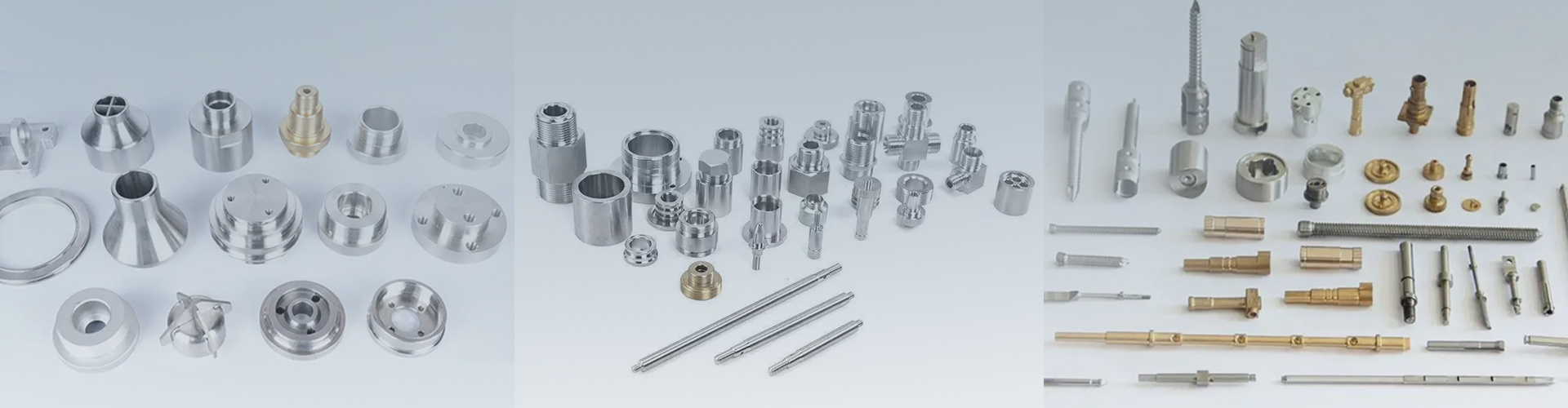
Understanding Precision Parts in Mechanical Manufacturing
Published Time:
2025-09-15
Precision parts are an essential aspect of mechanical manufacturing, particularly in the machining and fabrication of components across various industries. These parts are defined by their exact dimensions, tight tolerances, and superior surface finishes, which are critical for the seamless operation of machinery and equipment. The need for precision parts arises from the increasing demand for high-quality products that ensure optimal performance and reliability.
In the realm of mechanical manufacturing, precision parts play a vital role in the assembly and functioning of complex machinery. For instance, components used in automotive, aerospace, and medical applications must meet stringent specifications to guarantee safety and performance. The accuracy of these parts directly impacts the overall efficiency of the machines they comprise. A slight deviation in measurements can lead to malfunctions, increased wear and tear, and, ultimately, costly downtimes. Therefore, precision machining is a prerequisite to achieving high-quality standards in manufacturing.
The process of creating precision parts typically involves advanced machining techniques such as CNC (Computer Numerical Control) machining, which allows for remarkable accuracy and repeatability. CNC machines operate with unparalleled precision by following programmed instructions, thereby minimizing human error and enhancing production efficiency. In conjunction with innovative tools and technologies, these machines can accommodate various materials, including metals, plastics, and composites, catering to diverse industry requirements.
Moreover, the quality control of precision parts is paramount in ensuring that every component meets the desired specifications. Manufacturers often employ rigorous testing methods, including dimensional analysis, surface roughness measurement, and material inspections, to verify that the parts adhere to the required standards. The integration of quality assurance processes not only enhances the reliability of the products but also builds trust with clients and stakeholders.
The evolution of precision manufacturing technology has introduced various advancements that further refine the production of precision parts. The adoption of additive manufacturing, or 3D printing, has opened new avenues for creating complex geometries without compromising on precision. This innovative approach can reduce lead times and material waste, making it an attractive option for manufacturers looking to enhance their capabilities.
In summary, precision parts are indispensable to the mechanical manufacturing sector. Their contribution to the functionality and reliability of machinery cannot be overstated. Understanding the intricacies of precision parts and the technologies that produce them is crucial for professionals in the industry. As manufacturing processes continue to evolve, staying informed about advancements in precision machining will be essential for maintaining a competitive edge in the market.
NewsCenter
 2026-10-10


Beijing Pafinal Precision Machinery Co., Ltd.
Email:sales@pafinal.com

Address: No. 239 Huanhe South Road, Tianjin Pilot Free Trade Zone (Airport Economic Zone), Tianjin
中企跨境-全域组件
制作前进入CSS配置样式
sales@pafinal.com:
Whatsapp:
在线客服添加返回顶部
图片alt标题设置: PAFINAL
表单验证提示文本: Content cannot be empty!
循环体没有内容时: Sorry,no matching items were found.
CSS / JS 文件放置地