

Understanding Machined Parts: A Comprehensive Guide for Professionals in the Manufacturing Industry
Published Time:
2025-09-03
---
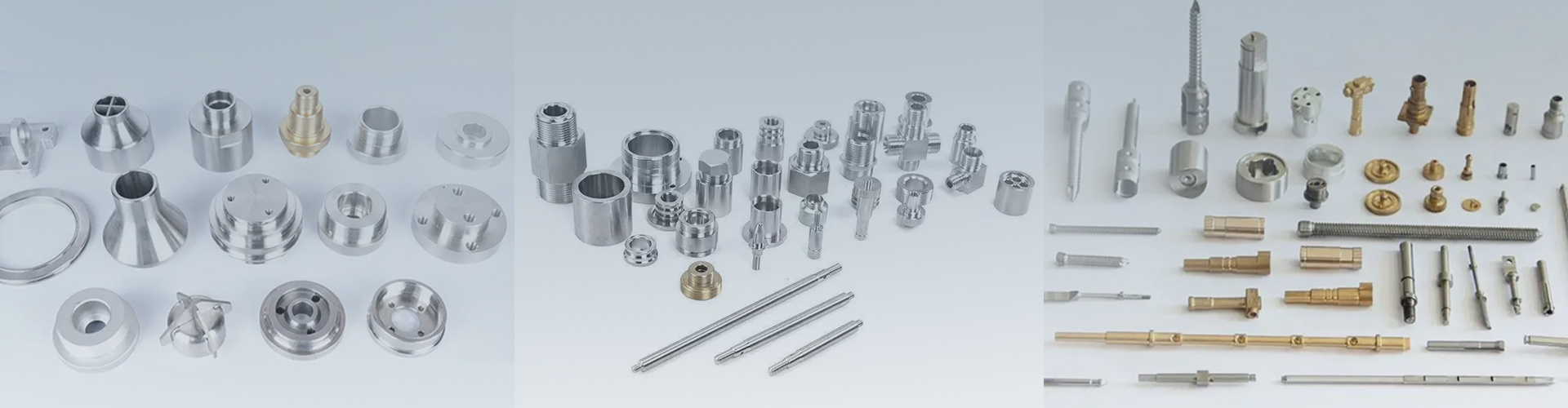
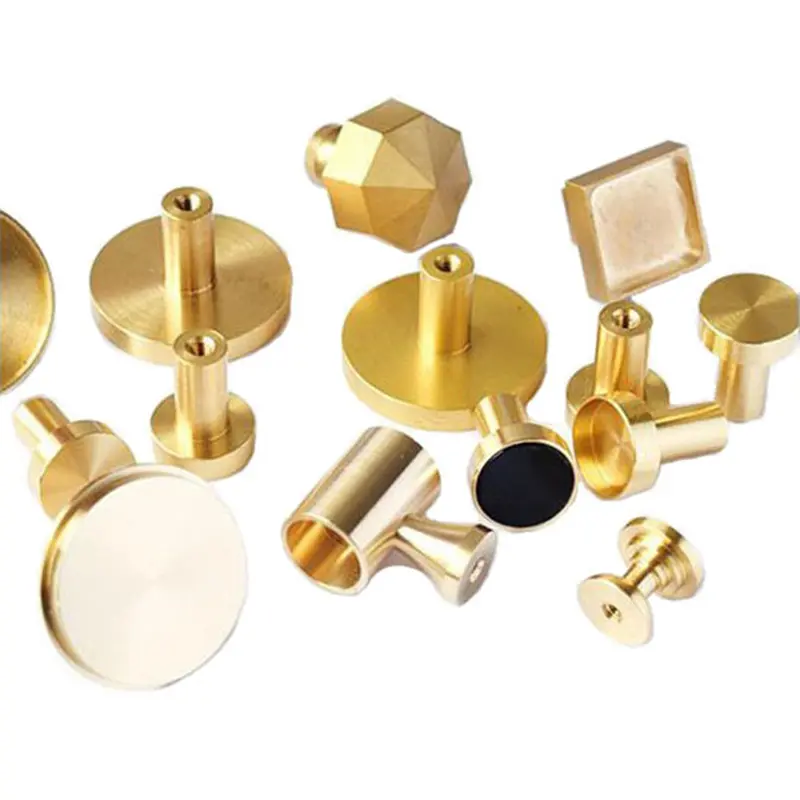
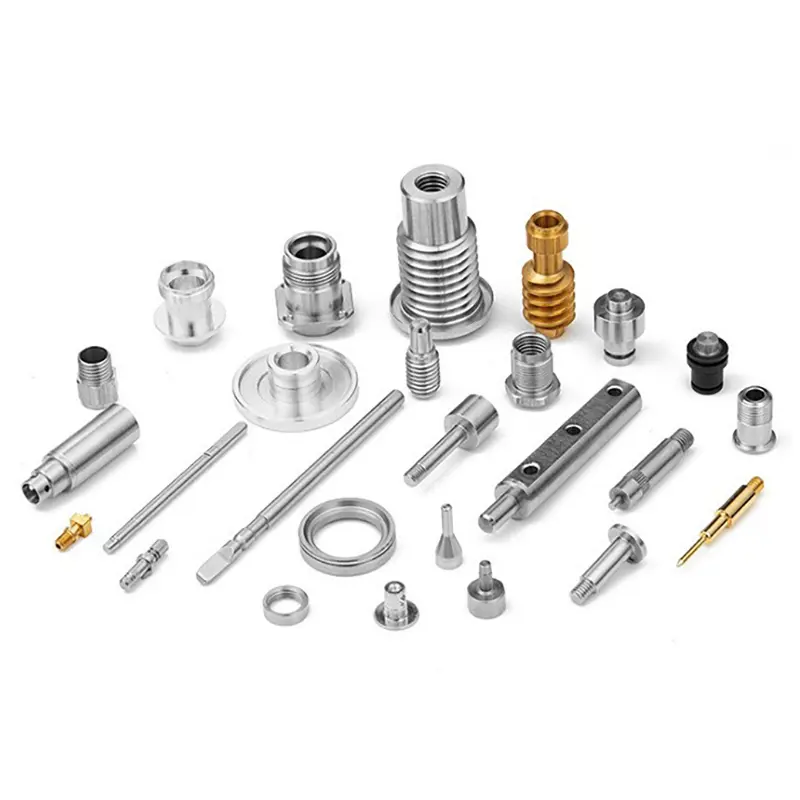
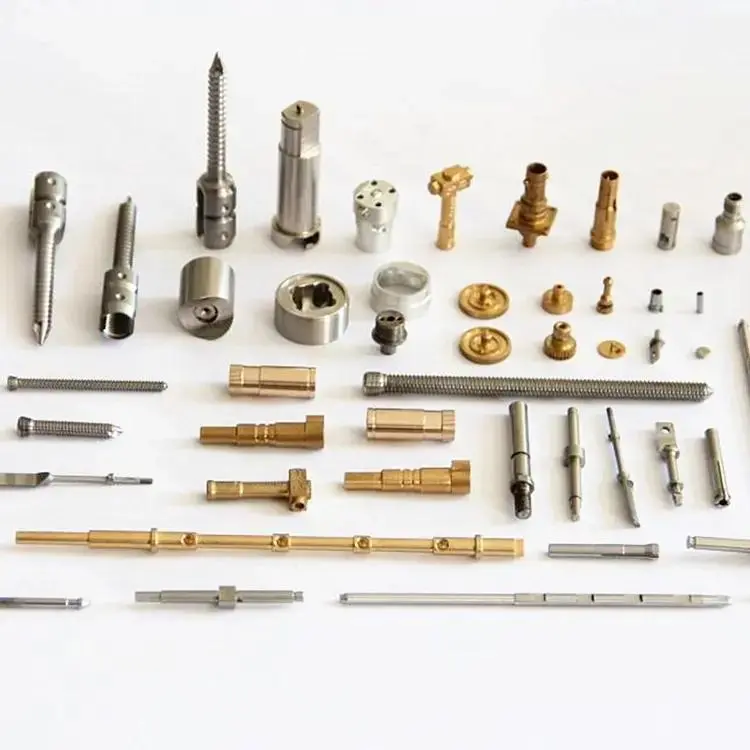
Machined parts are fundamental components in the manufacturing and mechanical processing industries. These parts are created through various machining processes, which involve the removal of material from a workpiece to achieve desired geometries and specifications. Understanding the intricacies of machined parts is crucial for professionals involved in mechanical hardware processing and parts manufacturing.
One of the primary advantages of machined parts is their precision. Through processes such as turning, milling, drilling, and grinding, manufacturers can produce components that meet exact tolerances and specifications. Precision is particularly vital in industries such as aerospace, automotive, and electronics, where even the smallest deviation can lead to significant operational issues.
When it comes to materials, machined parts can be made from a variety of metals, plastics, and composites. Common choices include aluminum, stainless steel, and titanium, each offering unique properties suited for different applications. For instance, aluminum is lightweight and corrosion-resistant, making it ideal for aerospace applications, while stainless steel is favored in environments where strength and durability are paramount.
Choosing the right machining process is another critical factor in the production of machined parts. Each technique offers different benefits and is suited for specific applications. For example, CNC (Computer Numerical Control) machining allows for complex shapes and high-volume production, while manual machining may be more appropriate for one-off custom parts. Understanding these processes enables professionals to optimize production efficiency and product quality.
Quality assurance is paramount in the manufacturing of machined parts. Implementing rigorous inspection protocols, such as dimensional checks and surface finish evaluations, ensures that parts meet the required standards. Advanced technologies, including Coordinate Measuring Machines (CMM) and laser scanning, can enhance the accuracy of inspections, reducing the likelihood of defects and improving overall product reliability.
Additionally, staying updated with the latest advancements in machining technologies, such as additive manufacturing and automation, can provide a competitive edge. These innovations can lead to enhanced production speeds, reduced waste, and lower costs, all while maintaining high quality.
In conclusion, understanding machined parts is essential for anyone involved in the manufacturing and mechanical processing industries. By mastering the various machining techniques, material choices, and quality assurance practices, professionals can enhance their production capabilities and contribute to the success of their organizations. Emphasizing precision, material selection, and technological advancements will ultimately lead to improved outcomes in the production of machined components.
NewsCenter
 2026-10-10


Beijing Pafinal Precision Machinery Co., Ltd.
Email:sales@pafinal.com

Address: No. 239 Huanhe South Road, Tianjin Pilot Free Trade Zone (Airport Economic Zone), Tianjin
中企跨境-全域组件
制作前进入CSS配置样式
sales@pafinal.com:
Whatsapp:
在线客服添加返回顶部
图片alt标题设置: PAFINAL
表单验证提示文本: Content cannot be empty!
循环体没有内容时: Sorry,no matching items were found.
CSS / JS 文件放置地